Hook and Loop Patches Guide 2026 | Custom Velcro‑Backed Badges
If you need patches you can quickly swap, remove, reposition or share without permanently attaching them to clothing or gear, hook‑and‑loop backing is one of your most flexible solutions. Widely known under the popular brand name Velcro, hook‑and‑loop patches have become extremely common for tactical uniforms, morale badges, backpack panels, airsoft gear, work‑team identification and collectible patch collections.
Unlike iron‑on adhesive or sewn‑on patches which form a permanent bond, hook‑and‑loop backing creates a reusable mechanical connection. Before placing your order, it is important to understand the two separate sides of the fastener, its strengths, real‑world wear limits and common mistakes buyers make when ordering removable custom patches. This full guide will walk you through every detail.

1. What Are Hook‑and‑Loop Patches?
Hook‑and‑loop fastener systems are made of two complementary fabric sides:
- Hook side: The rough, spiky surface, covered with tiny stiff plastic hooks
- Loop side: The soft, fuzzy fabric surface with loose fiber loops
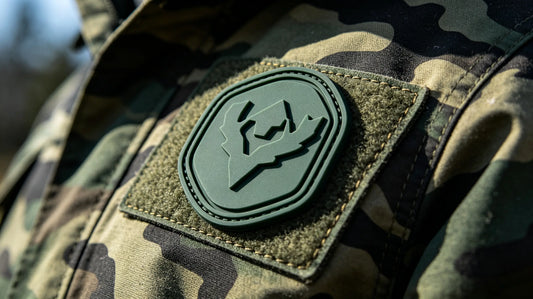
For custom patches, manufacturers almost always glue or sew the hook side onto the back of your finished patch. You then attach a separate loop‑side fabric panel onto your jacket, vest, hat, backpack or tactical gear. When pressed together, hooks lock firmly into loops, holding your patch securely in place.
Important note: Your patch will arrive with hook backing only. The matching loop fabric is not included with your patch unless you specifically order it as an extra accessory. Many tactical vests, plate carriers and backpacks already come pre‑fitted with loop‑panel sections ready‑made for hook‑backed morale patches.
2. Key Advantages of Hook‑and‑Loop Patches
Fully Removable & Interchangeable
You can take your patch off in seconds and swap it out for a different design. This makes hook‑and‑loop patches ideal if you want to rotate badges for different missions, events, moods or team roles, without damaging your garment.
No Permanent Modifications To Your Gear
There is no need to stitch or iron patches onto expensive tactical vests, leather jackets or high‑end backpacks. Your gear remains unaltered, so you can resell it or repurpose it later.
Easy Re‑Positioning During Setup
If you place your patch crookedly, you can instantly peel it off and realign it perfectly, with no permanent mistakes.
Simple To Clean Separately
Dirty patches can be removed from your vest before washing the garment. You do not have to launder the patch every single time you clean your jacket.
Great For Group Sharing & Collecting
Clubs, military units, airsoft teams and event attendees can trade, give away or re‑assign hook‑backed patches between members quickly. Collectors can mount their whole patch collection on a dedicated loop‑covered display board.

3. Limitations & Drawbacks of Hook‑and‑Loop Patches
Risk of Snagging or Accidental Detachment
Strong friction, catching on tree branches, door frames or other rough surfaces can pull your patch loose. Hook‑and‑loop fasteners are not as secure as sewn‑on patches during extreme‑activity, high‑movement outdoor work.
Hook Backing Adds Extra Thickness
The glued‑on hook layer increases the overall thickness and stiffness of your patch. On very thin, lightweight fabric shirts, the thicker backing can feel bulky.
Loop‑Side Surface Required
The patch will only stick to fuzzy loop fabric. It cannot attach directly onto regular cotton jackets, denim, smooth plastic or leather unless you first add a loop‑side panel.
Wear‑Out Over Time
After hundreds of peel‑and‑stick cycles, the tiny plastic hooks can wear down, collect lint, hair and dirt, and begin losing gripping strength. You can clean the hook side with a small brush to extend usable life.
Not Fully Invisible
The black hook backing is visible when you remove the patch, and adds texture you will not get with plain sew‑on backing.

4. Popular Real‑World Uses for Hook‑and‑Loop Custom Patches
Hook‑and‑loop patches are extremely versatile and widely used across these categories:
- Morale & tactical patches: Airsoft, paintball, outdoor tactical gear, plate carriers, operator vests
- Team‑role identification: Security staff, volunteer event teams, search‑and‑rescue groups that rotate job assignments
- Military‑inspired and veteran‑themed badges
- Backpack & bag customization: Removable decorative badges for school bags, travel packs
- Collector display: Mount patches on loop fabric boards for wall‑based patch collections
- Kids clothing: Fun, change‑able decorative patches on children’s jackets
- Short‑term events: Conventions, festivals, temporary work groups, where badges will be removed after the event ends
5. Hook‑and‑Loop VS Iron‑On VS Sew‑On Backing Comparison
| Comparison Item | Hook‑and‑Loop | Iron‑On Heat Seal | Sew‑On |
|---|---|---|---|
| Attachment Type | Reusable mechanical grip | One‑time heat glue bond | Permanent stitched bond |
| Removable | Yes, instantly peel‑off | Hard to remove without fabric damage | Removable only by cutting thread |
| Security Level | Moderate, risk of snag‑off | Moderate, risk of peeling after washes | Maximum permanent hold |
| Extra Thickness | Noticeably thicker | Thin flat glue layer | No added thickness |
| Extra Parts Needed | Requires separate loop‑side panel | None, bonds directly to fabric | Needle and thread |
| Best‑For | Swappable, temporary, rotating badges | Low‑wear quick‑attach projects | Heavy‑wear permanent long‑term use |

6. Important Buying & Ordering Tips
Confirm Hook‑Side Only
Double‑check your order specification. Most suppliers attach the hook (rough) side to your patch. Only order full hook‑and‑loop pairs if you also need the fuzzy loop sections.
Select Proper Size Matching
Make sure your target loop‑panel area on your vest or backpack is large enough for your finished patch. A patch larger than your loop panel will have edges that do not grip and may lift.
Choose Sewn‑On Hook Backing For Heavy Use
Hook backing can either be glued or stitched onto your patch. For high‑activity tactical use, select sewn‑on hook backing, this prevents the hook fabric itself from peeling away from the embroidered patch after heavy wear. Glued hook backing is fine for light, casual use.
Color Options
Black hook backing is the industry standard. Some manufacturers offer tan, coyote brown, olive green or white hook material upon request to match your uniform colors.
7. Installation, Care & Maintenance Advice
- Clean the loop‑side panel surface before attaching your patch, removing lint and dust
- Press the patch firmly and rub across its whole surface for several seconds so all hooks fully engage with loops
- Periodically brush lint and debris from the hook side of your patch, dirt buildup reduces grip strength
- When washing your patch by hand, remove it from gear first. Excessive hot water and dryer heat can damage the hook fastener
- Avoid dragging hook‑backed patches over smooth clothing; the rough hook surface can snag and tear delicate fabrics

Final Thoughts
Hook‑and‑loop backed custom patches deliver unmatched flexibility when you want removable, swappable, interchangeable badges. They are the perfect choice for tactical morale patches, rotating team identifiers, collectible displays, backpack customization and temporary event use.
If your top priority is 100‑percent permanent, never‑come‑off security for heavy‑abrasion daily wear, sew‑on backing will still be the stronger long‑term option. By weighing your need for removability against the risks of accidental detachment, you can decide whether hook‑and‑loop is the ideal backing solution for your custom patch project.
FAQ
Q: What is the difference between hook‑and‑loop and Velcro patches?
A: Velcro is a well‑known brand name, while hook‑and‑loop is the general technical name for the two‑part fastener system. In custom patch terminology, the two terms are often used interchangeably.
Q: Do hook‑and‑loop patches come with both sides?
A: Almost always, only the rough hook side is attached to the back of your patch. The fuzzy loop fabric panel must be added separately to your vest or gear.
Q: Can hook‑and‑loop patches fall off easily?
A: Under normal gentle wear they stay firmly attached. Sharp impacts or catching the patch on objects can pull it loose, unlike permanently sewn‑on badges.
Q: Can I wash my hook‑and‑loop patches?
A: Hand‑washing is recommended. Remove patches from your gear before laundering the garment, and avoid high heat from dryers.
Q: Should the hook backing be glued or sewn to my patch?
A: Glued hook backing works well for light‑casual use. Sewn‑on hook backing offers far better durability for tactical, high‑activity applications.
Tags:
Previous
Iron‑On Vs Sew‑On Patches 2026 | Which Application Method Should You Choose
Next
3D Puff Embroidery Patches 2026 | Full Benefits, Limits & Design Guide