3D Puff Embroidery Patches 2026 | Full Benefits, Limits & Design Guide
3D puff embroidery patches are one of the most popular premium upgrades in the custom patch industry. Unlike standard flat embroidered patches that sit flush against the fabric, 3D puff patches use foam padding underneath the stitching to create a raised, textured, three‑dimensional effect.
The result is bold, eye‑catching patches with dramatic depth, shadow contrast, and a high‑end tactile feel that makes logos, lettering, crests, and mascots stand out significantly above regular flat embroidery.
However, 3D puff technology has strict technical limitations. Not all designs, text sizes, or artwork styles work well with raised foam embroidery. Many first‑time customers receive unsatisfactory results because they submit tiny text, thin lines, or overly complex details that cannot be reproduced in 3D.
This complete 2026 guide explains exactly how 3D puff patches are made, their unique advantages, hard design limits, durability performance, cost differences, and professional tips for ordering flawless raised 3D embroidered patches.

1. What Are 3D Puff Embroidery Patches?
3D puff patches are manufactured by placing a thin layer of durable EVA foam underneath the embroidery stitching. Industrial embroidery machines stitch directly over the foam, locking it into place. After stitching is complete, excess foam is trimmed away.
The stitched sections remain raised while blank areas stay flat, creating a dramatic 3D layered texture. The foam is lightweight, flexible, and resilient, designed specifically for apparel use.
There are two common 3D styles:
- Full 3D Puff: Entire patch design is raised for maximum boldness
- Partial 3D Puff: Select elements (text, logos, borders) are raised while backgrounds stay flat for contrast and depth
2. Key Benefits of 3D Puff Patches
Premium High‑End Appearance
3D raised patches look more expensive, bold, and professional than standard flat embroidery. The depth creates natural shadows that make logos pop on jackets, uniforms, and gear.
Excellent Tactile Texture
The soft raised foam surface delivers a premium tactile feel that flat patches cannot replicate, perfect for high‑quality merch and luxury apparel branding.
Superior Visual Visibility
Raised designs stand out from a distance. Team logos, security insignia, and morale badges are far more noticeable than flat printed or stitched patches.
Flexible & Durable Foam Material
Professional‑grade EVA puff foam flexes with fabric movement. It does not crack, crumble, or break under normal bending and daily wear.
Great For Brand Differentiation
If you want your team or merchandise patches to look more premium than standard generic patches, 3D puff is the most cost‑effective visual upgrade available.

3. Critical 3D Puff Design Limitations (Must Read)
3D foam embroidery cannot replicate ultra‑fine details. These are strict industry technical limits:
Minimum Text Height
- 3D Puff Minimum Text: 0.31 Inches (8mm) Tiny letters smaller than this will blur, merge, or completely lose shape.
Minimum Line Thickness
- No ultra‑thin lines or delicate outlines
- Thin strokes sink into foam and become indistinguishable
No Gradient or Micro Detailing
3D puff works best with bold, solid shapes, thick fonts, block letters, and simple icons. Complex shading, tiny symbols, and intricate line art will fail when converted to 3D.
Limited Fine Negative Space
Small gaps between letters or shapes will close up during the foam stitching process.
Rule of thumb: If your design looks cramped on a 3‑inch patch, it will not work for 3D puff.
4. 3D Puff VS Flat Embroidery Patches
| Comparison Item | 3D Puff Embroidery | Standard Flat Embroidery |
|---|---|---|
| Texture | Raised, three‑dimensional, tactile | Flat, smooth, flush surface |
| Visual Impact | Bold, high contrast, premium look | Classic, subtle, uniform finish |
| Detail Capacity | Limited to bold, thick elements | Handles fine text, thin lines, complex details |
| Minimum Text Size | 8mm (0.31”) | 6mm (0.24”) |
| Cost Slightly | higher premium pricing | Standard base pricing |
| Best For | Logos, bold text, crests, mascots | Detailed emblems, small text, fine artwork |

5. Durability & Washing Performance
A common misconception is that 3D puff patches are fragile. High‑quality industrial 3D patches are surprisingly durable:
- Foam is heat resistant and waterproof
- Properly stitched 3D puff will not crumble or peel under normal washing
- Resists fading better than printed patches
- Flexible enough for jacket bending and daily movement
Only One Weakness: High Heat Dryers
Extreme high heat over time can slightly compress the foam layer, reducing the 3D height. Always air dry or use low‑heat dryer settings to preserve full raised volume.
6. Best Design Practices for Perfect 3D Puff Patches
Use Bold Block Fonts
Thick, sans‑serif block fonts produce the cleanest, sharpest 3D effect. Avoid script fonts, thin serif fonts, and condensed text.
Simplify Complex Artwork
Remove tiny inner details, micro lines, and overly busy elements. Clean, bold shapes maximize 3D visual depth.
Use Partial 3D For Mixed Designs
If your logo has both fine print and bold icons, apply 3D puff only to the main logo graphic and keep small text flat. This balances premium texture with full readability.
Avoid Overcrowding Elements
Give each raised shape enough breathing room. Tightly packed 3D elements merge together and look messy.

7. Best Use Cases for 3D Puff Patches
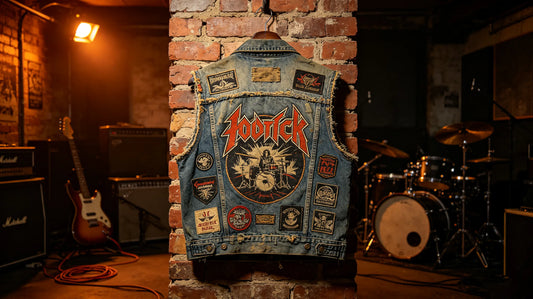
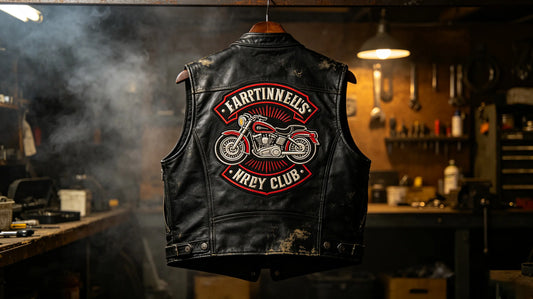
Motorcycle & Biker Vests
3D raised logos and skull designs look extremely striking on leather vests and jackets.
Tactical & Morale Patches
Bold raised designs improve visibility on tactical gear, plate carriers, and outdoor uniforms.
Brand Merchandise & Streetwear
3D patches elevate casual apparel into premium‑looking streetwear with minimal extra cost.
Sports Team & Club Uniforms
Raised team crests create a professional, high‑end uniform appearance.
Gift & Collectible Patches
The tactile premium texture makes 3D patches excellent keepsake items and limited‑edition collectibles.
8. When You Should NOT Use 3D Puff
- Your design contains tiny text or micro fine details
- You need ultra‑thin delicate logo outlines
- You require 100% flat profile for tight‑fitting garments
- Your patch size is under 2.5 inches with complex artwork

Final Thoughts
3D puff embroidery patches are the ultimate premium upgrade for bold, eye‑catching custom badges. They deliver unbeatable depth, texture, and visual appeal compared to standard flat embroidery. However, 3D design has strict rules: bold shapes, thick text, and simplified artwork are mandatory for clean results.
By following minimum size limits, simplifying your design, and avoiding excessive heat during drying, you can create stunning, durable 3D puff patches that look premium and hold their shape for years of daily wear.
FAQ
Q: Are 3D puff patches durable?
A: Yes, industrial 3D puff patches are highly durable for daily wear and machine washing. Only continuous high heat drying can gradually compress the foam.
Q: What is the minimum text size for 3D patches?
A: Always keep 3D text above 0.31 inches (8mm) tall to ensure readability and clean shaping.
Q: Can I have fine details on a 3D puff patch?
A: No, ultra‑fine lines, tiny details, and small negative spaces will merge and disappear during 3D embroidery production.
Q: Is 3D puff more expensive than flat embroidery?
A: 3D puff is a minor premium upgrade with slightly higher pricing than standard flat embroidered patches.
Q: Can 3D patches be washed normally?
A: Yes, cold or lukewarm gentle wash cycles are safe. Avoid high‑heat tumble drying to preserve foam height.
Tags:
Previous
Hook and Loop Patches Guide 2026 | Custom Velcro‑Backed Badges
Next
Sublimation Patches 2026 | Full Color, Photo Quality Custom Patch Guide