Sew On Patches Guide 2026 | Durability, Stitching Tips & Best Uses
Among all patch backing types available, sew-on patches are widely regarded as the gold standard for permanent, long-term customization. Unlike iron-on heat-seal or removable hook-and-loop patches, sew-on patches feature no adhesive coating — they rely entirely on physical stitching to bond permanently with your fabric.
For decades, sew-on patches have been the top choice for uniforms, motorcycle vests, workwear, frequently washed apparel and heirloom-quality merchandise. While they require basic sewing skills, their unmatched durability makes them worth the extra effort. This ultimate guide explains everything about sew-on custom patches, including advantages, limitations, professional installation tips and use cases. You can order premium sew-on styles alongside our full range of custom embroidered patches.

1. What Are Sew-On Custom Patches?
Sew-on patches are standard embroidered, woven, PVC or leather patches with a blank, uncoated fabric back. There is no hot-melt glue, velcro hook or sticker adhesive on the reverse side.
To attach them permanently, you stitch through the patch border and the garment fabric manually with a needle and thread or industrial sewing machine. Once sewn securely in place, the patch becomes part of the garment and will not peel, lift or fall off with washing, stretching or daily wear.
Sew-on backing is compatible with every patch style: flat embroidery, 3D puff embroidery, woven labels, rubber PVC patches and leather patches. It is the most universal, reliable backing option in the custom patch industry.
2. Key Advantages of Sew-On Patches
Fully Permanent, Lifetime Durability
Sewn patches never fail from heat, water or friction. They withstand unlimited machine washes, tumble drying, outdoor exposure and heavy daily use. For work uniforms and tactical gear, sew-on is unbeatable.
Zero Fabric Restrictions
Unlike iron-on patches, sew-on patches work on all fabric types: nylon, spandex, leather, waterproof coated fabric, thin silk, thick canvas and denim. No risk of melting, shrinking or fabric damage during installation.
No Heat Damage Risk
Since no heat is required, you avoid scorching, fading or warping delicate fabrics, printed graphics and heat-sensitive apparel materials.
Clean, Low-Profile Finish
Professional border stitching creates a neat, tailored look. No bulky adhesive layers, bubbling glue or peeling edges. Sewn patches lay flat and smooth on all garments.
Ideal For All Patch Materials
Thick 3D embroidered patches, rigid PVC rubber patches and heavy leather patches cannot bond well with iron-on glue. Sew-on stitching securely holds thick, heavy patches with zero issues.

3. Limitations of Sew-On Patches
Requires Manual Installation
Sewing takes more time than quick iron-on application. Beginners need basic sewing skills or a sewing machine for clean results.
Non-Removable
Once stitched in place, sew-on patches are permanent. You cannot swap or reposition them like hook-and-loop velcro patches. Removal requires cutting stitches, which may leave tiny needle holes in fabric.
Visible Stitching Border
Sewing lines around the patch edge are visible on the garment exterior. If you want a completely stitch-free invisible finish, iron-on backing is a better alternative.
4. Sew-On VS Iron-On VS Hook-and-Loop Patches
Durability Ranking
Sew-on (permanent) > Iron-on (semi-permanent) > Hook-and-loop (removable)
Fabric Compatibility
Sew-on: 100% universal for all fabrics Iron-on: Limited only to heat-resistant cotton/denim Hook-and-loop: Requires loop fabric panel on gear
Best For
Sew-on: Uniforms, heavy-wear apparel, thick patches, permanent branding Iron-on: Casual DIY, light-wear clothes, quick temporary customization Hook-and-loop: Tactical gear, interchangeable morale patches, event uniforms

5. Two Ways To Install Sew-On Patches (Hand Sew & Machine Sew)
Method 1: Hand Sewing (Best For Beginners & Small Batches)
Perfect for personal use, small patches and delicate fabrics. Tools needed: Sharp hand needle, durable polyester thread, scissors, pins
- Position the patch on your garment and secure it with straight pins to prevent shifting.
- Thread your needle and tie a tight knot at the thread end.
- Stitch slowly along the patch border, using straight stitches or blanket stitches for a clean edge finish.
- Keep stitches small and even to avoid loose gaps.
- Finish with a secure knot and trim excess thread.
Hand sewing takes 3–5 minutes per patch and delivers strong, reliable hold for everyday wear.
Method 2: Machine Sewing (Best For Bulk Orders & Professional Results)
Ideal for brand merchandise, uniform batches and large-scale production.
- Pin the patch firmly in place to avoid shifting under the sewing machine foot.
- Use a zig-zag stitch or straight edge stitch along the patch perimeter.
- Set low speed for precise edge alignment, especially on curved or irregular patch shapes.
- Backstitch at the start and end to lock threads and prevent unraveling.
Machine stitching creates ultra-tight, uniform borders that withstand commercial washing and industrial wear.
6. Pro Stitching Tips For Flawless Sew-On Patch Results
- Match your thread color to the patch border thread for invisible, seamless stitching.
- Use polyester thread instead of cotton thread — it is stronger, fade-resistant and stretch-proof.
- Avoid stitching through the middle of embroidered designs; only sew along the clean border.
- For thick 3D and PVC patches, use a sharp heavy-duty needle to avoid bending or breaking.
- Remove all pins before final sewing to prevent uneven alignment.
- Double-stitch corners, as these are the highest-friction and most vulnerable areas.

7. Best Use Cases For Sew-On Custom Patches
Sew-on backing is the recommended default for these projects:
- Work uniforms, security staff, hospitality and industrial apparel
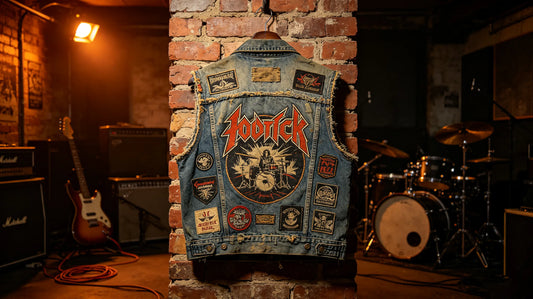
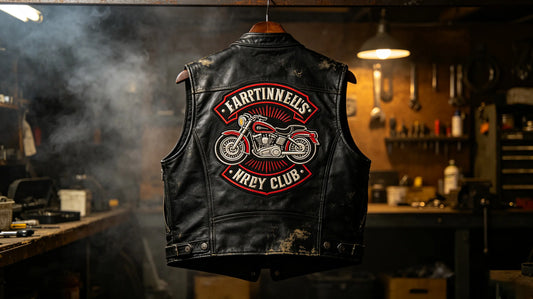
- Motorcycle vests, club patches and biker back patches
- Sports team jerseys, school uniforms and scout badges
- Thick denim jackets, canvas bags and heavy outdoor gear
- 3D puff, PVC rubber and leather custom patches
- Frequently washed apparel requiring multi-year durability
- Premium branded merchandise and limited-edition apparel lines
8. When To Choose Other Backings Instead
- Choose Iron-on if you need fast no-sew installation for light-wear cotton clothes
- Choose Hook-and-loop if you want removable, interchangeable patches for tactical gear
- Choose Sew-on for every permanent, heavy-duty and long-term project

Final Thoughts
Sew-on patches are the most reliable, durable and universally compatible backing option for custom patches. Though they require simple stitching installation, their permanent hold, unlimited fabric compatibility and long service life make them superior to adhesive and velcro alternatives for most apparel projects.
Whether you prefer neat hand-sewn edges or professional machine stitching, sew-on patches ensure your custom design stays intact through countless washes and years of daily use. For any high-value garment, uniform or premium merch, sew-on is always the safest investment for your custom embroidered patches.
FAQ
Q: Are sew-on patches better than iron-on patches?
A: Yes, for permanent durability. Sew-on patches are fully wash-proof, work on all fabrics and never peel off, while iron-on patches are semi-permanent and fabric-restricted.
Q: Can I sew on PVC and leather patches?
A: Absolutely. Sew-on is the most reliable installation method for thick PVC rubber and leather patches, which do not bond well with iron-on glue.
Q: Do sew-on patches fall off?
A: Properly stitched sew-on patches will never fall off under normal wear. They offer permanent lifetime attachment.
Q: Can I remove sew-on patches?
A: Yes, you can cut and remove the stitching, but tiny needle holes may remain on the fabric surface after removal.
Q: Is sew-on backing free for custom patches?
A: Yes, sew-on is a standard free backing option available for all styles of custom embroidered patches.
Tags:
Previous
Iron‑On Embroidered Patches 2026 | Complete Application & Troubleshooting Guide
Next
Custom Patch Sizing Guide 2026 | Standard Sizes, Design Ratio & Best Fit