Woven Patches 2026|Ultimate Guide to High‑Detail Woven Custom Patches
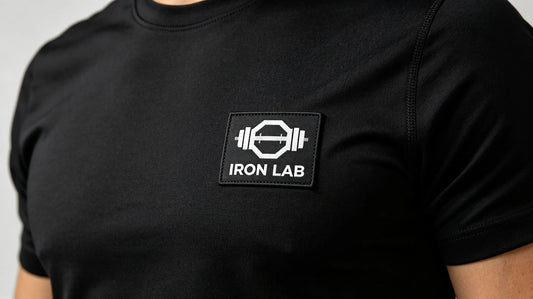
Woven custom patches are a popular, high‑resolution alternative to traditional embroidered patches. While embroidered patches stitch threads on top of a fabric base, woven patches weave colored threads tightly together into the patch fabric itself. This unique construction unlocks incredible sharpness for ultra‑thin lines, tiny text and complex multi‑colored logos that are difficult or impossible to recreate with standard embroidery.
Many buyers mistakenly treat woven patches as a cheaper substitute for embroidery. While woven patches are often budget‑friendly, they deliver a distinctly different visual texture, and each patch type shines for different kinds of artwork. Understanding their strengths and weaknesses will help you avoid design errors and select the perfect patch style for your custom patches.

1. What Exactly Are Woven Patches?
Woven patches are produced on specialized industrial weaving looms. Hundreds of fine, thin thread strands are interlaced horizontally and vertically to build your logo directly into the textile. There is no raised, textured pile on the patch surface. The finished result lies completely flat and smooth.
Unlike embroidery, where threads sit on top of a twill background fabric, every color shape and fine line is woven into the material. After weaving, the patch is cut out, and a heat‑sealed or stitched border (merrow edge) is added to stop fraying.
2. Woven Patches VS Embroidered Patches: Key Differences
Surface Texture
‑ Embroidered patches: Raised, bumpy, textured thread surface, three‑dimensional feel ‑ Woven patches: 100% flat, smooth fabric‑like finish, zero raised stitching
Fine‑Line & Small‑Text Capability
‑ Embroidered patches: Minimum letter height around 6‑8mm; extremely thin lines risk thread merging together ‑ Woven patches: Can clearly print crisp text down to 3‑4 mm tall; perfect for intricate logos, fine outlines and detailed illustrations
Color Blending
‑ Embroidered: Solid blocks of thread color, limited gradient blending ‑ Woven: Can produce subtle color transitions and very tight multi‑color detail work
Thickness
‑ Embroidered: Thicker, more substantial ‑ Woven: Slim, lightweight, low‑profile
Price Range
‑ Woven: Generally more cost‑effective for large bulk orders ‑ Embroidered: Higher cost, especially for high‑density coverage
Typical Visual Style
‑ Embroidered: Classic rugged, traditional patch look, popular for biker and morale patches ‑ Woven: Clean, sharp, modern, logo‑focused appearance, widely used for corporate and brand apparel

3. Main Advantages of Custom Woven Patches
Incredible Fine‑Detail Reproduction
This is woven patches’ biggest strength. Tiny company taglines, small website URLs, complex crests, thin outlines and detailed artwork will remain sharp and legible. If your logo contains very small elements, woven patches are usually your best option.
Low‑Profile, Lightweight Fit
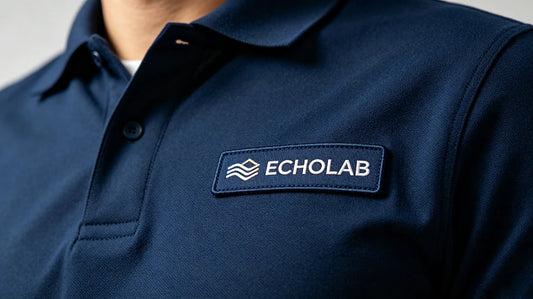
Their thin, flat profile makes woven patches comfortable on close‑fitting clothing, uniform shirts and hats. They will not create a thick bulky bump under fabric the way dense embroidered patches often do.
Large Color Palette
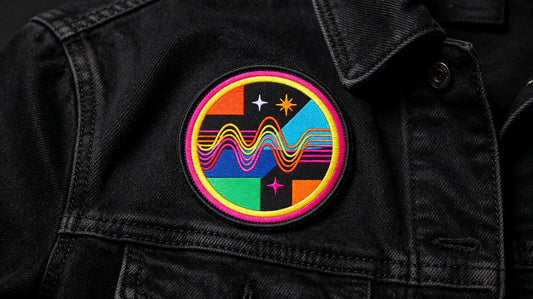
Woven patches support a wide selection of thread colors. Detailed multi‑color logos with many separate color segments can be reproduced cleanly, without color‑bleed issues common in embroidery.
Cost‑Efficient For High‑Volume Orders
When ordering large bulk quantities (hundreds or thousands of units), woven patches are often more affordable than full‑coverage embroidered patches, making them ideal for promotional merchandise, staff uniforms and brand giveaways.
Smooth Surface, Low‑Friction Wear
The flat woven surface creates less friction against backpack straps or jacket linings. They wear smoothly and resist thread‑snagging better than raised embroidery.
4. Limitations of Woven Patches
No Raised 3D Texture
If you want a bold, tactile, raised embroidered look, woven patches cannot deliver depth or puff effects. Their appearance is always flat. For 3D raised elements, embroidered or 3D puff patches are required.
Limited Large Solid‑Color Fill Areas
Very large, solid blocks of one single color can look visually plain on woven patches. Large graphic shapes often have a more rich, eye‑catching finish with high‑density embroidery.
No Gradient Photo‑Realistic Images
While woven threads handle fine lines well, they cannot produce smooth photographic gradients. For photo‑style portraits, dye‑sublimated patches are the better choice.
Thread‑Color Lock‑In
Each new thread color adds cost. Designs with dozens of unique colors will increase pricing.

5. Best Artwork for Woven Patches
‑ Corporate brand logos, brand badges, clothing label patches ‑ Small fine print text, mottoes, contact information ‑ Intricate crests, heraldic emblems and club insignia ‑ Slim, low‑profile uniform patches for work shirts ‑ Thin‑line vector illustrations ‑ Bulk promotional merchandise, giveaway gifts
6. Designs That Work Better As Embroidered Patches
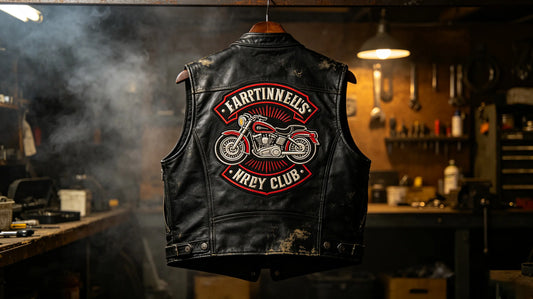
‑ Large bold graphics, skulls, animal silhouettes ‑ Motorcycle club back patches, big vest logos ‑ Any artwork you wish to upgrade into 3D puff embroidery ‑ Large solid filled‑in shapes that benefit from textured raised thread

7. Border Edge Options for Woven Patches
Two common finishing styles prevent woven fabric edges from fraying:
Merrow Overlock Edge
A thick stitched border wraps fully around the patch perimeter. This is the classic rolled patch edge, durable and most popular for custom badges.
Heat‑Cut Laser Edge
The patch shape is laser‑cut, with the synthetic threads melted and sealed along the edge. Laser‑cut edges are perfect for complex irregular, curved or die‑cut custom shapes.
8. Backing Choices for Woven Patches
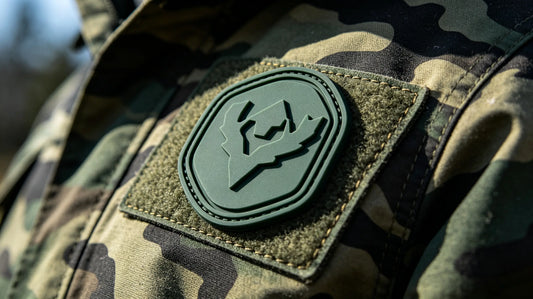
All standard backing options are fully compatible: ‑ Sew‑on: Permanent installation, the most durable long‑term solution ‑ Iron‑on heat seal: Semi‑permanent quick‑apply bonding for cotton and denim fabrics ‑ Hook‑and‑Loop (Velcro): Removable swappable patches for tactical gear ‑ Peel‑and‑stick temporary adhesive: For one‑off event displays, not wearable long‑term
9. Washing & Durability Care Guide
High‑quality woven patches deliver excellent wash resistance when cared for properly:
- Wash garments inside‑out using cold‑water gentle cycles
- Avoid harsh bleach and strong stain‑remover chemicals
- Tumble dry on low heat or air‑dry for maximum lifespan
- Woven patches rarely fray if the merrow or laser‑sealed edge remains intact. If edge seal is damaged, stitch around the border to stop fraying.

Final Thoughts
Woven custom patches are the ideal flat, high‑detail solution for logos and fine‑text artwork. Their sharp thin‑line reproduction, slim lightweight profile and competitive bulk pricing make them a favorite for corporate branding, uniforms and clothing labels.
Just remember they cannot replicate the raised textured look of embroidered patches. Compare your artwork’s needs: choose woven for fine detail, embroidered for bold, tactile depth. When you select the correct patch type for your design, woven custom patches will deliver clean, professional‑looking results.
FAQ
Q: Can woven patches do 3D puff raised texture?
A: No, woven patches are always flat. 3D puff texture is an embroidery‑only feature.
Q: What is the smallest readable text size on woven patches?
A: 3‑4 mm tall letters can be reproduced clearly, far smaller than standard embroidered patches.
Q: Which is better: woven or embroidered patches?
A: Woven for fine‑detail flat logos; embroidered for bold textured, raised‑look graphics.
Q: Can woven patches go on hats?
A: Yes, their thin low‑profile build works very well on baseball caps and trucker hats.
Q: Will woven patches fray over time?
A: As long as they have a sealed merrow or laser‑cut edge, fraying should not occur.
Tags:
Previous
Custom Leather Patches 2026 | The Complete Buying, Design & Care Guide
Next
Sublimation Patches 2026 | Ultimate Guide to Photo‑Real Printed Patches