Woven vs Embroidered Patches 2026 | Key Differences & How to Choose
When ordering custom patches, the most critical technical choice you will face is between woven patches and embroidered patches. These two are the most popular mainstream patch types on the market, yet many new customers cannot tell them apart at first glance. Choosing the wrong craft may result in lost fine‑print details, unexpected raised texture, or a finished look that does not match your original design vision.
Each style has unique strengths, limitations, texture characteristics and ideal application scenarios. Whether you are creating brand logos, team insignias, uniform accessories, morale badges or fashion merch, understanding woven and embroidered patches will save you time, avoid costly design mistakes and help you get maximum value from your order. You can get both high‑quality options with professional custom embroidered patches service.

1. What Are Embroidered Patches?
Embroidered patches are built by stitching colored embroidery threads onto a fabric base material. Threads stack on top of the patch surface to form your graphic. The more thread coverage you select, the richer and more textured the final result becomes. Common coverage rates include 50%, 75% and 100% embroidery coverage.
Embroidered patches create a distinct raised, three‑dimensional texture you can easily feel with your fingertips. They are the classic, traditional patch style most people picture when they think of jacket and backpack patches. Bold shapes, large logos, animal emblems and sport‑themed graphics shine with embroidered craftsmanship.
2. What Are Woven Patches?
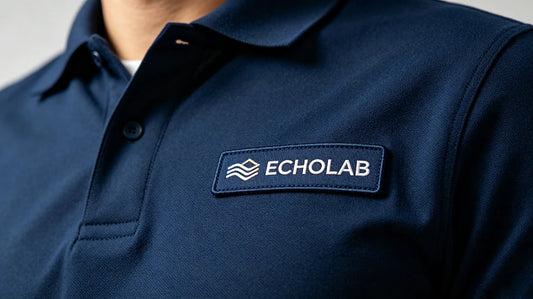
Unlike embroidery, woven patches are manufactured on industrial looms. Threads are tightly interlaced together horizontally and vertically to build your whole design as one flat piece. No threads sit stacked on top of the base fabric.
The finished woven patch surface remains completely smooth and flat. This weaving technique allows manufacturers to fit extremely tiny text, thin outlines and highly complex artwork that regular embroidery cannot reproduce clearly. Woven patches are widely used for official brand labels, thin‑line logos, and designs packed with fine details.

3. Side‑by‑Side Core Comparison
Texture & Appearance
Embroidered patches: Raised, textured, bumpy surface. Thread layers produce visible depth. Perfect for rugged, classic, vintage and tactical aesthetics. Woven patches: Smooth, low‑profile, completely flat surface, no raised stitching. They lay flush against clothing.
Fine‑Detail Performance
Embroidered patches: Limited on tiny text and ultra‑thin lines. Small lettering below 6‑8 mm will often blur together because thick embroidery threads merge. Woven patches: Outstanding fine‑detail capability. Tiny text, thin borders, complex crests and multi‑element logos stay crisp and readable.
Color Performance
Embroidered patches: Vibrant, saturated thread colors. Color gradients are difficult to achieve. Woven patches: Solid sharp color blocks. Can handle a wide color palette and clean color separation. Subtle gradients are still not recommended for either craft.
Durability
Both patch types deliver excellent long‑term durability when produced with high‑quality threads. ‑ Embroidered threads can catch and snag on sharp objects in heavy‑friction environments. ‑ Flat woven surfaces resist snags better, making them a solid choice for work uniforms and high‑abrasion gear.
Thickness & Weight
Embroidered patches are thicker and heavier due to stacked thread layers. Woven patches are thinner, lighter and lie flatter against fabric. They create less bulk on thin shirts.
Price Point
For the same size: Woven patches are usually slightly more cost‑effective for small‑to‑medium‑sized orders with highly detailed artwork. Large bold graphics often have very similar pricing between both crafts.

4. When You Should Choose Embroidered Patches
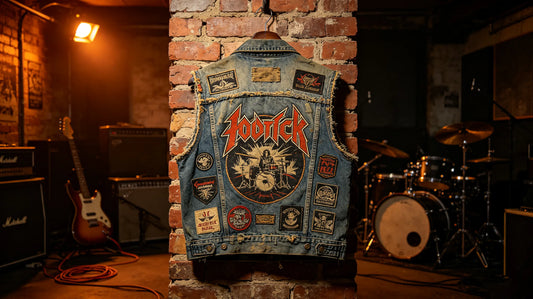
Pick embroidered patches if any of these match your project goals: ‑ You want a classic, textured, 3‑D raised look ‑ Your design features big bold shapes, large logos, animals, mascots or sport emblems ‑ Fine tiny text is not required on your artwork ‑ You are decorating denim jackets, backpacks, tactical gear, biker vests and casual outerwear ‑ You prefer the traditional, recognizable embroidered patch aesthetic loved in street‑wear and outdoor culture
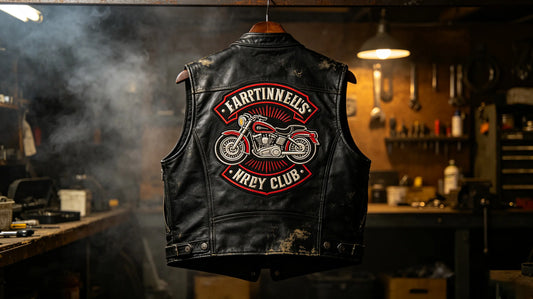
Embroidered craftsmanship remains the most popular option for morale patches, motorcycle club patches and team awards. Premium custom embroidered patches deliver rich texture and strong visual impact.
5. When You Should Choose Woven Patches
Woven patches are your best solution when: ‑ Your logo contains small, readable text, thin outlines or highly detailed crests ‑ You want a low‑profile, flat, slim patch that does not bulge on shirts or uniforms ‑ Snagging risk is a concern for work clothing ‑ Your artwork includes many small separate graphic elements ‑ You are creating brand neck labels, uniform insignias, formal organization badges
Many corporate brands, security teams and government‑affiliated groups choose woven patches for their clean, professional and neat‑looking finish.

6. Common Mistakes To Avoid
- Ordering embroidered patches with micro‑sized text. The small letters will blur after stitching. Switch to woven instead.
- Expecting thick raised texture from woven patches. Woven will always stay flat, no matter how many colors you add.
- Overlooking patch thickness. Thick full‑coverage embroidery may feel bulky on lightweight t‑shirts. Woven patches solve this bulk problem.
- Choosing woven for large mascot‑style graphics meant to look rugged and textured. Embroidery will deliver far better visual character.
7. Backing Options Compatibility
Both woven and embroidered patches support exactly the same backing choices: iron‑on heat seal, sew‑on, hook‑and‑loop, plastic or sticker backing. Your backing decision is completely separate from choosing woven or embroidered artwork craft. You can freely match either patch style with your preferred installation method for your custom embroidered patches.

Final Thoughts
There is no universal “better” option between woven patches and embroidered patches. The right selection fully depends on your original artwork, aesthetic expectations and end‑use environment.
Choose embroidery when texture, depth and classic rugged style are your priority. Choose woven patches when sharp fine details, slim flat profile and snag‑resistance are essential. Taking a moment to compare these two popular crafts before placing your custom patch order will help you avoid disappointment and receive finished patches that perfectly match your creative vision.
FAQ
Q: Can woven patches have 3D raised texture?
A: No. Woven patches are always flat. If you want a raised textured surface, embroidered patches are the correct choice for your custom embroidered patches.
Q: Which one is better for tiny text?
A: Woven patches are strongly recommended for small lettering. Embroidered threads tend to merge and blur very small text.
Q: Are woven patches more durable than embroidered patches?
A: Their lifespan is comparable. Flat woven surfaces are slightly more snag‑resistant, while high‑density embroidered patches deliver outstanding wear resistance for casual outer‑wear.
Q: Can I switch between woven and embroidered after approving my design?
A: Switching craft types usually requires brand‑new artwork setup, since woven and embroidered patches use different production files. It is best to confirm your craft before finalizing your order.
Q: Which craft is cheaper, woven or embroidered patches?
A: Prices are very close. Woven patches often have an advantage for highly detailed small logos. Large bold graphics usually cost about the same for both styles.
Tags:
Previous
Iron‑On Patches Complete Guide 2026 | Application Steps, Durability & Troubleshooting
Next
PVC Patches Complete Guide 2026 | Benefits, Designs, Backing & Limitations