PVC Patches Complete Guide 2026 | Benefits, Designs, Backing & Limitations
When browsing custom patch options, PVC rubber patches stand out as one of the toughest, most flexible alternatives to traditional embroidered patches. Made from soft, molded polyvinyl chloride rubber, these modern‑style patches have exploded in popularity among tactical teams, outdoor enthusiasts, brand merchandise creators and military‑style morale patch collectors in recent years.
While PVC patches deliver impressive water‑proof, weather‑resistant performance, they are not the perfect fit for every project. Understanding their strengths, weaknesses, design rules and ideal application environments will help you decide whether rubber PVC is the right material for your next custom order. You can compare PVC options alongside fabric styles through our full range of custom embroidered patches.

1. What Exactly Are PVC Patches?
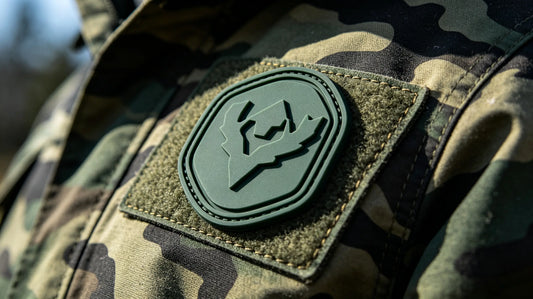
PVC patches, also widely known as rubber patches, are 3D‑shaped badges manufactured from flexible liquid PVC rubber poured into precision‑cut molds. Each color of your design sits as a separate raised rubber layer. After curing, the finished patch becomes waterproof, bendable and resistant to scratches.
Unlike embroidered or woven fabric patches, PVC patches contain zero thread or woven fabric. Their smooth rubber surface creates a bold, solid graphic look with clean, sharp color separation. Most PVC patches feature a slight raised 3D effect, with artwork elements sitting higher than the patch background. This distinct rubber appearance gives tactical and morale patches their signature modern look.
2. Key Advantages of Custom PVC Rubber Patches
Fully Waterproof & Weather‑Resistant
This is PVC’s biggest advantage over fabric‑based patches. Rubber does not absorb water. PVC patches can be exposed to rain, snow, ocean water, sweat and mud without fading, fraying or water damage. They are an excellent choice for outdoor gear, fishing clothing, hiking packs and water‑sports equipment.
Incredible Scratch & Abrasion Resistance
High‑quality molded PVC rubber resists scuffs, tears and surface wear far better than embroidery threads. Even with heavy rubbing against backpack straps, tactical gear belts and rough surfaces, your patch graphic will not peel or wear thin.
Flexible & Bendable
PVC rubber remains soft and flexible. Unlike hard enamel metal badges, PVC patches can curve around rounded surfaces such as helmet sides, water bottles and curved bag straps without cracking.
Vivid, Solid, Consistent Colors
Since colors are molded rubber, you will get rich, opaque, uniform color blocks. There is no thread‑shading variation that sometimes appears on embroidered patches. Every patch within your bulk order will have perfectly matching color tones.
Easy To Clean
Wipe dirt, grease or dust straight off the smooth rubber surface with a damp cloth. No special washing or gentle‑cycle care is required. This low‑maintenance feature makes PVC patches perfect for work uniforms and heavy‑use gear.

3. Common Backing Options for PVC Patches
PVC rubber patches support most standard backing styles used for custom patches:
- Hook‑and‑Loop (Velcro) — By far the most popular backing for tactical morale PVC patches. Fast, tool‑free removal and swapping patches on vests, hats and backpacks.
- Sew‑on — No adhesive on the back. You stitch around the patch border. Ideal for permanent attachment on thick jackets and uniforms.
- Iron‑on heat seal — Available but less common. The thick rubber layer requires extra‑high heat to melt glue, so sewing is usually recommended for long‑term durability.
- Sticker backing — Temporary removable‑use only, great for events and promotional giveaways.
Before confirming your order, you can match your preferred backing type just as you would for custom embroidered patches.
4. Best Use‑Cases for PVC Rubber Patches
PVC patches are the top‑recommended material choice for these project types:
- Tactical morale patches, law‑enforcement and airsoft team identification
- Outdoor, camping, fishing and water‑resistant gear accessories
- Motorcycle club patches for jackets exposed to all‑weather conditions
- Brand merchandise and promotional rubber badges for hats and bags
- Helmet, suitcase, cooler and water‑bottle decorative labels
- Work uniforms for jobs in wet, dirty, high‑abrasion environments

5. Limitations & Drawbacks You Need To Know
While PVC patches are extremely durable, they have clear downsides that make them unsuitable for certain designs:
No Fine Gradients or Photo‑Realistic Artwork
Molded PVC works best for solid color blocks. You cannot produce photo prints, soft color gradients or tiny intricate shading details. Ultra‑thin lines smaller than 1.5 mm are not recommended, as narrow rubber sections may become fragile.
Not A Vintage Or Traditional Fabric Look
PVC rubber has a modern, synthetic appearance. It cannot replicate the warm, classic textured aesthetic of stitched embroidered or soft woven patches. If you are creating retro‑style varsity or heritage‑themed merchandise, fabric embroidery will be a much better match.
Stiffer On Lightweight Clothing
Thick rubber PVC patches can feel heavy and rigid on thin t‑shirts or delicate blouses. For lightweight everyday apparel, embroidered or woven patches lay flatter and more comfortably.
Higher Minimum Cost For Small Orders
Molded PVC patches require custom‑made metal molds for your artwork. Small‑quantity orders usually carry higher setup costs compared to fabric‑based custom embroidered patches.
6. PVC Patches VS Embroidered Patches Head‑To‑Head Comparison
- Material: PVC = molded rubber; Embroidered = stitched thread on fabric base
- Texture: PVC = smooth rubber surface; Embroidered = raised stitched thread texture
- Waterproof: PVC yes; embroidered no
- Flexibility: PVC highly flexible rubber; embroidered fabric soft
- Weather durability: PVC superior for outdoor exposure; embroidered better for indoor / dry‑wear use
- Style aesthetic: PVC modern tactical rubber look; embroidered classic vintage patch appearance

7. Pro Design Tips For Perfect PVC Patches
- Keep line widths thick. Avoid hair‑thin delicate shapes that could break off.
- Use bold, separated solid colors; do not submit gradient artwork.
- Decide early whether you want 2‑D flat PVC or raised 3‑D rubber elements.
- Think about where the patch will attach. Hook‑and‑loop backing is strongly suggested for tactical gear projects.
- Double‑check sizing: thicker PVC rubber patches add extra weight to lightweight clothing.
Final Thoughts
PVC rubber patches are the ultimate heavy‑duty, weather‑proof custom patch solution for tactical teams, outdoor gear and all‑weather apparel. Their unbeatable water resistance, scratch durability and flexible rubber texture make them stand out from fabric embroidered and woven badges.
That being said, PVC is not a one‑size‑fits‑all patch material. If your design contains photo‑realistic shading, you want a soft vintage fabric aesthetic, or you are decorating thin lightweight clothing, embroidered or woven patches will deliver better results. By weighing up these pros and cons, you can confidently select PVC rubber patches when durability is your top priority.

FAQ
Q: Are PVC patches waterproof?
A: Yes, high‑quality molded rubber PVC patches are 100% waterproof. They hold up well under rain, water, sweat and wet outdoor conditions, unlike fabric‑based custom embroidered patches.
Q: Can PVC patches go on clothing?
A: Absolutely. PVC patches can be sewn or attached with hook‑and‑loop backing onto jackets, vests, hats and workwear. Keep in mind thick rubber PVC may feel heavy on thin t‑shirts.
Q: Can PVC patches be iron‑on?
A: Iron‑on backing is technically available, yet not recommended. The thick rubber layer makes heat transfer difficult. Sew‑on or hook‑and‑loop backing delivers far more reliable long‑term results.
Q: Can PVC patches have tiny text?
A: Very small text is possible, but letters thinner than 1.5 mm risk breaking. If you need extremely crisp micro‑text, woven fabric patches are generally a better choice.
Q: Which lasts longer, PVC or embroidered patches?
A: For wet, muddy or high‑friction outdoor environments, PVC rubber patches will usually outlast embroidered patches. For dry, casual indoor wear, both materials have comparable service lifespans.
Tags:
Previous
Woven vs Embroidered Patches 2026 | Key Differences & How to Choose
Next
Hook and Loop Patches Guide 2026 | Installation, Removal & Best‑Use Tips