Hook and Loop Patches Guide 2026 | Installation, Removal & Best‑Use Tips
If you want patches that can be swapped out, repositioned or completely removed whenever you like, hook‑and‑loop patches are one of the most practical solutions available. Widely known under the popular brand‑name Velcro, this two‑part fastening system has become the standard backing choice for tactical morale patches, airsoft gear, hats, backpacks and team uniforms.
Unlike iron‑on adhesive or permanent sew‑on patches, hook‑and‑loop fasteners create a removable bond. This unique feature opens up many creative possibilities, yet it also comes with a few limitations you need to understand before placing your bulk patch order. Whether you are shopping for tactical badges, brand merch or team identification, this guide will walk you through everything you should know. You can order hook‑and‑loop backing alongside our full collection of custom embroidered patches.

1. What Are Hook‑and‑Loop Patches?
Hook‑and‑loop patches use a two‑piece fastening system:
- The hook side: The rough, spiky fabric layer sewn or glued onto the back of your finished patch.
- The loop side: The soft, fuzzy fabric panel that must be attached to your jacket, vest, hat, bag or other gear.
The two sections lock firmly together when pressed. When you pull them apart, they separate cleanly without leaving sticky residue, damaging fabric or ruining your patch. The loop panel can be pre‑sewn onto your clothing, or purchased separately as cut‑to‑size tape.
Hook‑and‑loop backing can be applied to almost every patch style: embroidered patches, woven patches, PVC rubber patches, leather patches and more. The artwork on the front of your patch does not change at all when you select velcro backing.
2. Top Advantages of Hook‑and‑Loop Removable Patches
Fully Removable & Interchangeable
This is the biggest benefit. You can quickly swap different patches on the same piece of gear. Rotate morale badges for events, switch team identifiers, or change seasonal designs without buying brand‑new jackets or backpacks.
Zero‑Damage Attachment
No heat, no glue, no needle‑punched holes in your expensive tactical vest, helmet cover or premium backpack. Hook‑and‑loop will not stain, burn or tear high‑value equipment.
Simple Installation, No Tools Required
Once the loop fabric panel is secured to your garment, attaching patches takes only one second: press the patch firmly into place. No iron, thread or sewing skills are needed.
Easy to Clean Your Gear Separately
Remove all patches before washing your vest, hat or backpack. You avoid embroidery threads rubbing against the washing‑machine drum and prevent unnecessary wear on your patch collection.
Great for Rotating Team or Event Identification
Organizations, security crews and paintball teams can share a single uniform set and swap hook‑and‑loop patches for different shifts, missions or special occasions.

3. Different Hook‑and‑Loop Backing Options
When ordering custom patches, you have two common hook‑and‑loop configurations to choose from:
Full Hook Backing
The entire reverse side of your patch is covered with hook material. This delivers maximum gripping strength and stability. Full hook backing is the most popular selection for square, rectangular and large‑size morale patches.
Partial Hook Backing
Hook fabric is only placed along the edges or a central strip of your patch’s back. It saves a small amount of cost, but large‑sized patches with partial hook backing may start to curl or lift at free‑hanging corners. Partial hook backing works best for small, lightweight badges.
Important note: Patch suppliers almost always provide only the hook side on your custom patches. The soft loop side is not included, unless you specially request and pay for it separately. Most tactical vests, plate carriers and baseball hats already come pre‑fitted with loop panels ready‑made.
4. Step‑by‑Step Guide To Attaching Hook‑and‑Loop Patches
- Inspect your gear and confirm there is a fuzzy‑textured loop fabric panel in your desired location.
- Peel away any protective paper cover from the hook side of your new patch.
- Align your patch straight on top of the loop surface.
- Press down firmly across the whole patch surface with your palm, paying extra attention to all four corners.
- Give it a gentle tug to test that it is securely fastened.
If your clothing does not already have loop fabric, you will need to add loop tape first. Loop‑side fastener tape can either be sewn permanently onto fabric, or purchased with self‑adhesive backing for hard‑shell surfaces such as helmet shells, plastic cases and lockers.

5. Durability Expectations & Common Weak Points
Hook‑and‑loop patches are extremely durable, but the fastener itself will slowly wear out over time:
- With regular daily use, a high‑quality hook‑and‑loop connection usually lasts for hundreds of attach‑and‑remove cycles.
- The hook fibers can collect lint, dirt, sand and dust. Debris stuck inside the hooks will reduce gripping strength.
- Corners are the weakest point. If your patch catches on door handles, branches or equipment straps, one corner may peel upwards.
How to restore worn‑out hook‑and‑loop grip:
- Use a fine‑tooth comb to pull dirt, lint and debris out of the hook fibers.
- Wash the hook side lightly with cool water and allow it to air‑dry completely.
- If the hooks have become soft and worn‑down after heavy‑duty use, the fastener can no longer be repaired, and you will need new hook‑and‑loop backing.
6. Best Projects & Gear for Hook‑and‑Loop Patches
Hook‑and‑loop removable backing is perfectly suited to these applications:
- Tactical vests, plate carriers, military‑style morale patches
- Airsoft, paintball and outdoor adventure team gear
- Trucker hats, baseball caps with pre‑sewn loop patch panels
- Backpacks, duffel bags, range bags and travel luggage
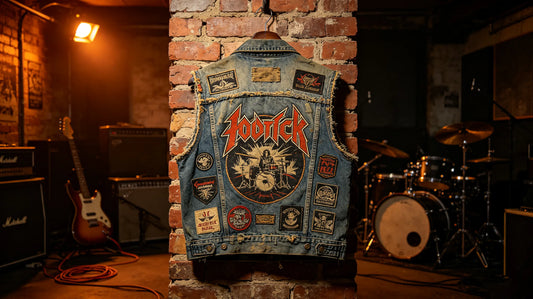
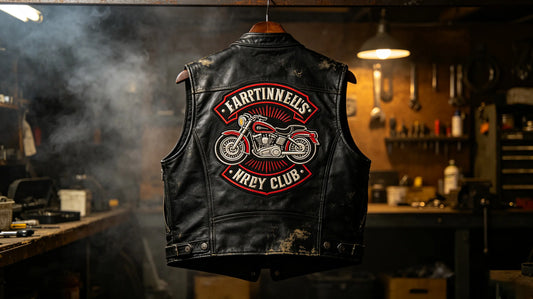
- Motorcycle club vests for members who want temporary identification
- Event staff uniforms with rotating role‑based badges

7. When Hook‑and‑Loop Patches Are NOT Recommended
While velcro backing is versatile, it is not always the best choice. Avoid hook‑and‑loop in these scenarios:
Permanent, long‑term wear on everyday clothing
For jackets you plan to wear every single day with one fixed design, sew‑on backing creates a more permanent, low‑profile finish. Hook‑and‑loop adds noticeable thickness and rigidity against thin shirts.
Smooth non‑loop fabric surfaces
You cannot stick a hook‑side patch directly onto cotton, denim or polyester fabric. It will not grip at all, unless you add a separate loop panel.
Low‑profile, subtle‑looking uniforms
Hook‑and‑loop fasteners are thicker than plain fabric. If you want a slim, flush‑to‑garment professional badge for corporate wear, woven or embroidered sew‑on patches are usually more suitable than velcro.
High‑speed sports or activities with heavy snag‑risks
Fast‑moving extreme sports may catch and rip hook‑and‑loop patches off unexpectedly. In these high‑snag environments, permanent sewn‑on patches are safer.
8. Pro Tips To Get The Most Out Of Your Hook‑and‑Loop Patches
- Always select full hook backing for patches larger than 3 inches, to prevent corner lifting.
- Clean lint and sand off hook surfaces regularly, especially after outdoor trips to the beach or dusty trails.
- When storing unused hook‑and‑loop patches, stick them together hook‑to‑loop to stop the hook side from catching on other items inside your bag.
- Double‑check your vest or hat measurements before ordering patch sizes, to make sure your new badge will fit neatly inside the available loop area.
- Remember that our team can add hook‑and‑loop backing to almost any style of custom embroidered patches.

Final Thoughts
Hook‑and‑loop patches deliver unmatched flexibility for anyone who wants interchangeable, removable custom badges. The ability to quickly swap artwork makes them the number‑one choice for tactical morale gear, outdoor enthusiasts, and teams that rotate identifiers.
Keep in mind that hook‑and‑loop is a fastening system, not a patch material itself. You can pair velcro backing with embroidered, woven or PVC rubber patches. Just weigh whether you need permanent attachment or removable flexibility before selecting your backing option, and you will receive patches perfectly matched to your gear.
FAQ
Q: Do hook‑and‑loop patches come with both hook and loop sides?
A: Most custom patch orders only include the hook side glued to your patch. The soft loop fabric panel for your clothing is sold separately, unless you request both pieces.
Q: Can I put hook‑and‑loop patches on any jacket?
A: No. Your jacket needs a fuzzy loop‑side fabric panel. Hook material will not stick to regular cotton or denim fabric on its own.
Q: How long does hook‑and‑loop backing last?
A: With careful use and occasional cleaning, high‑quality hook‑and‑loop fasteners can endure hundreds of attach‑and‑remove cycles before grip strength begins to fade.
Q: Can you add hook‑and‑loop backing to PVC or woven patches?
A: Yes, hook‑and‑loop can be applied to nearly all patch varieties including embroidered, woven, PVC rubber and leather custom embroidered patches.
Q: Is hook‑and‑loop better than iron‑on backing?
A: That depends on your goals. Hook‑and‑loop is removable and re‑usable, while iron‑on creates a semi‑permanent heat‑sealed bond that cannot be swapped out.
Tags:
Previous
PVC Patches Complete Guide 2026 | Benefits, Designs, Backing & Limitations
Next
Leather Patches Custom 2026 | Complete Buying & Design Guide