Custom 3D Embroidered Patches for Outdoor Adventurers, Camping Groups & Expedition Teams | Waterproof, Abrasion & All-Terrain Performance Guide
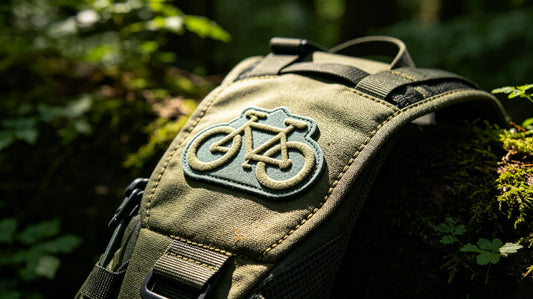
Outdoor communities rely on visual identity to unite hiking groups, camping crews and mountaineering expeditions. Backpacks, trekking jackets, outdoor hats and camp apparel act as mobile canvases for team logos, trail achievement badges and expedition mementos. While flat embroidery, woven patches and printed decals are widely used, 3D Embroidered Patches deliver striking dimensional detail that stands out against earth-toned outdoor fabrics in forest, mountain and coastal environments.
The core construction of outdoor-grade 3D Embroidered Patches adopts foam stereo technology: high-tensile polyester embroidery threads fully wrap closed-cell EVA foam bonded to polyester twill base fabric, forming stable three-dimensional raised texture. Flat embroidery can blend into muted outdoor clothing; printed graphics quickly wear away under rock abrasion and rain exposure; rigid plastic patches easily catch on branches and backpack straps. Foam-based 3D Embroidered Patches remain pliable, lightweight and moisture-resistant, suitable for day hikes, multi-day camping trips and year-round wilderness exploration.
Outdoor gear faces continuous environmental challenges: intense sun radiation, sudden rainfall, constant friction against rocks and backpack straps, mud and dust. Low-quality patches suffer permanently crushed foam, frayed threads, exposed foam borders and serious colour fading after short periods of outdoor activity. This professional guide focuses entirely on foam-based 3D Embroidered Patches for outdoor adventure applications, clearly distinguishing them from flat embroidery, PVC rubber patches and metal insignia. It covers UV & moisture resistant material selection, outdoor graphic layout standards, backing choices and outdoor fabric compatible production specifications.

Part 1: Why Outdoor Groups & Expedition Teams Choose 3D Embroidered Patches
1.1 Distinctive Branding on Earth-Toned Outdoor Fabrics
Flat embroidery often lacks visual impact on muted green, brown and grey outdoor textiles. 3D Embroidered Patches create prominent raised contours, ensuring mountain logos, team crests and trail badges remain visible during group hikes and outdoor gatherings.
1.2 Flexible, Low-Snag Design for Wilderness Activities
Hard rigid patches catch on tree branches, rock edges and backpack webbing. Foam 3D Embroidered Patches stay soft and bendable, conforming to curved backpack surfaces and jacket sleeves without creating dangerous snag risks.
1.3 Improved UV & Moisture Resistance for All Weather
Premium 3D Embroidered Patches manufactured with full edge wrapping stitches and lightfast polyester threads resist colour fading from sunlight and withstand occasional rain exposure. They maintain appearance far longer than budget heat transfers and thin printed patches.
1.4 Flexible Production of Achievement & Commemorative Patches
Groups can maintain permanent team crest patches, plus limited-edition designs for long-distance trails, summit expeditions, annual camping gatherings and seasonal challenge events. Communities refresh gear visuals without replacing all outdoor apparel.
1.5 Wide Compatibility Across All Outdoor Equipment
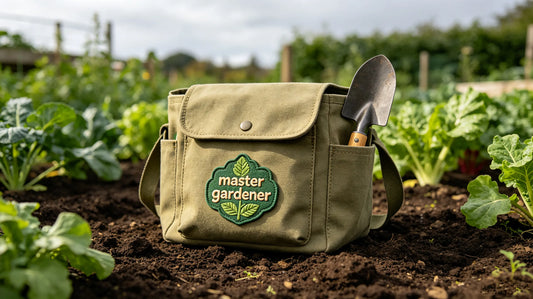
3D Embroidered Patches can be attached to hiking backpacks, softshell jackets, fleece layers, bucket hats and canvas camp bags. Outdoor clubs build consistent visual branding across all member gear.
Part 2: Core Design Guidelines for Outdoor Adventure 3D Embroidered Patches
2.1 Simplify Overly Fine Details for Foam Embroidery
Mountain graphics, wildlife illustrations, trail motto text and expedition crests often contain thin outlines, small lettering and delicate decorative features. Excessively thin lines cannot support stable foam wrapping embroidery.
- Minimum uppercase letter height: 6mm for 2mm foam 3D Embroidered Patches; 8mm for 3mm high-relief foam embroidery.
- Ultra-thin graphic outlines must be thickened during artwork revision to avoid incomplete stitching and foam exposure after long-term abrasion and outdoor weather exposure.
2.2 Standard Sizing Reference for Outdoor Adventure Patches
- Small bucket hat / cap insignia patches: 3cm – 6cm
- Medium chest & sleeve team crest patches: 7cm – 12cm
- Large backpack trail graphic patches: 13cm – 24cm
2.3 Color Matching Advice for Outdoor Gear
Match thread colours to team branding or natural wilderness colour schemes. Choose Grade 4+ UV-resistant polyester threads. Inferior threads fade quickly under continuous sunlight, damaging the uniform look of group gear. Popular options include earthy forest tones, mountain-inspired blue-grey combinations and classic contrasting monochrome designs.
2.4 Contour Processing Requirements
Common shapes include rounded rectangles, shield crests, mountain silhouettes, circular emblems and custom irregular wildlife outlines. All outer edges of 3D Embroidered Patches require continuous perimeter wrapping stitches to fully seal foam, block moisture penetration and prevent foam exposure during rain and humidity changes.

Part 3: Specialised Material Selection for Outdoor Adventure 3D Embroidered Patches
All materials listed below are designed exclusively for foam-based 3D Embroidered Patches, not silicone patches, metal emblems or flat embroidery.
Embroidery Thread
High tenacity polyester thread with Grade 4+ UV light fastness and abrasion resistance. Cotton thread is unsuitable for outdoor gear; cotton absorbs rainwater and degrades rapidly under sunlight.
Base Fabric
Medium-weight polyester twill. Stable twill prevents patch warping after repeated bending and temperature fluctuations, offering reliable support for dense foam wrapping stitches.
3D Relief Core: Closed-Cell EVA Foam
Medium-hardness closed-cell EVA foam is the standard material for outdoor 3D Embroidered Patches. Overly soft foam compresses permanently under backpack pressure and repeated folding; overly rigid foam increases snag hazards in wooded terrain.
- 2mm foam: universal choice for hat insignia, sleeve logos and most outdoor apparel
- 3mm foam: ideal for large backpack graphics requiring strong visual depth for group recognition
Backing Selection for Outdoor Adventure 3D Embroidered Patches
✅ Sew-On Backing (Top Recommendation for Permanent Gear) Maximum long-term durability for jackets, backpacks and hats, no risk of adhesive failure during rain and temperature changes. Compatible with fleece, canvas and softshell fabrics.
✅ Hook & Loop Backing Suitable for interchangeable patches on backpack MOLLE panels and outdoor vests, convenient for swapping seasonal and commemorative designs.
⚠️ Iron-On Backing (Limited Usage) Only recommended for indoor casual merchandise; high heat may damage waterproof outdoor fabrics, and adhesive loses strength under repeated wet-dry cycles.
Edge Finishing Options for 3D Embroidered Patches
- Merrow Stitched Border Robust reinforced edge finish for regular shaped team crests and trail badges. Resists fraying from rock and branch abrasion, widely used by formal outdoor clubs.
- Laser Cut Edge Perfect for custom mountain silhouettes, wildlife outlines and unique expedition commemorative artwork. Precise laser trimming creates clean irregular organic outlines. Manufacturers must add continuous foam wrapping stitches to seal all cut edges.
- Hot Cut Edge Only suitable for tiny lightweight souvenir patches. Avoid hot cut edges for field gear; heat-sealed edges fray quickly under outdoor abrasion.

Part 4: Critical Production Requirements for Outdoor Adventure 3D Embroidered Patches
Professional 3D Embroidery Digitizing
- Calibrate balanced stitch density to avoid over-compression flattening foam after long-term folding and outdoor friction
- Mandatory full foam edge wrapping stitches to completely cover foam and block water intrusion
- Add surrounding stabilizing running stitches to minimise edge curling under variable outdoor humidity and temperature
Pre-Production Sample Confirmation
Outdoor club orders require consistent colour, size and texture across all member gear. Always approve physical pre-production samples before bulk manufacturing. Digital mockups cannot replicate real foam height, stitch tightness and colour accuracy. For large group orders, complete simulated water spray and UV exposure testing on samples.
Batch Color Consistency Control
All 3D Embroidered Patches within one order use identical thread lots to eliminate colour variation, ensuring unified team branding on all hiking and camping equipment.
Part 5: Application & Care Tips for Outdoor Gear with 3D Embroidered Patches
- Use durable polyester sewing thread when attaching sew-on 3D Embroidered Patches to canvas, softshell and fleece outdoor fabrics.
- Avoid placing oversized patches on shoulder strap contact areas to reduce continuous foam compression during trekking.
- Clean outdoor gear using mild neutral detergent; avoid strong chemical cleaners that degrade embroidery threads and waterproof coatings.
- Air dry gear in shaded areas; high-temperature tumble drying will destroy internal foam structure.
- Never iron directly onto raised foam embroidery surfaces.

Part 6: Common Defects of Outdoor 3D Embroidered Patches & Solutions
1. Embroidery thread fades after long outdoor hiking exposure
Cause: Low UV-resistant embroidery thread Solution: Specify Grade 4+ lightfast polyester thread for all outdoor adventure 3D Embroidered Patches
2. Raised foam surface becomes permanently flat
Cause: Overly soft EVA foam or over-dense stitch compression Solution: Select medium-hardness closed-cell foam and adopt balanced digitizing parameters for 3D Embroidered Patches
3. Foam exposed from patch edges after outdoor wear
Cause: Missing full perimeter wrapping stitches Solution: Include full foam edge wrapping requirements within formal production specifications for every 3D Embroidered Patch
4. Iron-on backing detaches from gear after rain
Cause: Low-grade hot melt adhesive unable to withstand moisture cycling Solution: Choose sew-on or hook & loop backing for all field-used outdoor gear
5. Patch edges curl after repeated wet and dry cycles
Cause: Insufficient stabilizing stitches or thin base twill Solution: Upgrade to medium-weight twill and add reinforcing running stitches during digitizing
Part 7: Maintenance Guidance for Gear with 3D Embroidered Patches
- Remove surface dirt, mud and dust gently with soft brushes, avoid vigorous scrubbing directly over embroidered patches
- Avoid bleach and harsh solvents that discolour threads and damage fabric waterproof layers
- Store gear in cool dry locations, avoid prolonged continuous direct sunlight exposure
- Do not stack heavy camping gear pressing onto patches during storage to preserve stereo foam shape
- Minimise frequent high-temperature machine washing

Part 8: 2026 Industry Trend for Outdoor Adventure 3D Embroidered Patches
Hiking clubs, camping groups and expedition teams are steadily upgrading from flat embroidery to foam-based 3D Embroidered Patches for backpacks and outdoor apparel. Reliable UV resistance, stable foam thickness and tough edge construction become core purchasing standards. Custom mountain crest patches, summit commemorative badges and trail challenge designs maintain steady demand. Small-batch custom orders support local outdoor communities and seasonal hiking events. Sew-on merrow finished patches remain the top choice for permanent gear attachment, while laser-cut nature silhouette patches are popular for limited-edition expedition merchandise. Buyers reject low-quality patches with thin foam, incomplete edge wrapping and poor outdoor colour fastness.
Final Summary Core Rule
Custom 3D Embroidered Patches constructed with thread-wrapped closed-cell foam deliver vivid, abrasion-resistant three-dimensional branding for hiking backpacks, trekking jackets, camping bags and outdoor club apparel, with clear advantages over flat embroidery, PVC patches and metal emblems. Sew-on backing is ideal for permanent outdoor gear installation, while hook & loop backing suits interchangeable badge setups. Design needs to balance detailed nature and expedition artwork with embroidery production feasibility, and production must enforce full foam edge wrapping and UV-resistant polyester thread. With standardized material selection and professional 3D embroidery digitizing, foam embroidered patches retain stereo shape and colour stability through hiking trips, camping seasons and exposure to variable wilderness weather.
Frequently Asked Questions
Q1: Which backing works best for patches permanently sewn onto hiking backpacks? A: Sew-on backing paired with merrow edging delivers maximum durability against constant backpack friction and rain exposure.
Q2: Can complex mountain and wildlife illustrations be turned into 3D Embroidered Patches? A: Yes. Designers need to thicken thin outlines and small lettering to meet foam embroidery minimum dimension standards.
Q3: Are 3D Embroidered Patches suitable for lightweight waterproof softshell jackets? A: Yes. Select 2mm foam specifications to keep patches flexible and avoid adding excess weight to thin technical fabrics.
Q4: What foam thickness is recommended for standard hat and sleeve outdoor patches? A: 2mm medium-hardness closed-cell foam offers balanced lightweight depth; 3mm foam is reserved for large backpack front graphics.
Tags:
Previous
Custom 3D Embroidered Patches for Military Units, Tactical Teams & Veteran Organizations | Durability, Backing & Camouflage Compatibility Guide
Next
Custom 3D Stereo Embroidered Badges for Beauty Salons, Spa Studios & Beauty Industry Uniforms | Texture, Wash Resistance & Branding Guide