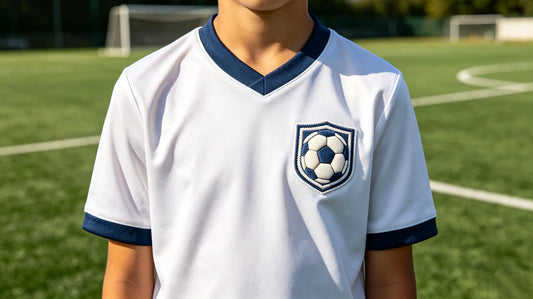
3D Embroidered Patches for Fashion Brands & Streetwear | Custom Design Trends, Fabric Matching and Application Methods
Original texture and unique visual details are core competitiveness for streetwear and contemporary fashion brands. Decorative accessories directly affect product grade and consumer willingness to pay. Designers frequently weigh multiple ornament options: direct flat embroidery, silicone heat transfer patches, metal badges and 3D Embroidered Patches.
The core feature of 3D Embroidered Patches is its foam stacked structure: polyester embroidery threads fully wrap closed-cell EVA foam laid on polyester twill base, forming three-dimensional raised surfaces. This foam embroidery achieves far deeper layering effect than ordinary flat embroidery. Meanwhile, unlike hard silicone and metal ornaments that restrict fabric movement, qualified 3D Embroidered Patches remain pliable, suitable for denim, fleece, canvas, twill and various soft fashion fabrics.
Fashion apparel faces repeated folding, regular washing and long-term display. Inferior foam embroidery patches encounter common issues: foam permanent compression, exposed foam edges, thread loosening and color fading. This guide targets foam-based 3D Embroidered Patches for fashion and streetwear, strictly distinguishing foam embroidery technology from other decorative accessories, detailing creative design rules, premium material selection, backing solutions and mass production standards for clothing brands.

Part 1: Why Fashion & Streetwear Brands Choose 3D Embroidered Patches
Premium Tactile Layering Effect
Flat embroidery stays flush against fabric; 3D Embroidered Patches create natural shadow and depth. Logos, cartoon graphics, lettering and vintage patterns stand out prominently on hoodies and denim. The touchable texture enhances product premium perception and helps brands justify higher retail prices.
Wide Fabric Adaptability
3D Embroidered Patches can be applied on denim, fleece hoodies, canvas jackets, cotton twill and lightweight cargo textiles. Rigid silicone and metal decorations easily scratch fabric or create uncomfortable contact, while foam embroidery flexes naturally with garments.
Flexible Production and Inventory Control
Brands can produce garments in plain base styles first, then attach customized 3D Embroidered Patches. This reduces inventory pressure, supports seasonal limited editions, collaborative collections and quick iteration of graphic designs without remaking entire clothing patterns.
Diverse Styling Compatibility
3D Embroidered Patches adapt to multiple aesthetics: vintage retro style, goth streetwear, minimalist logo design, Y2K graphics, outdoor utility aesthetics and punk custom styles. Brands can develop matched patch sets for tops, bottoms and headwear to form unified visual language.
Strong Durability for Daily Wear
When manufactured with high-quality raw materials, 3D Embroidered Patches resist deformation after repeated washing and folding, outperforming many heat transfer prints that crack or peel after short-term use.
Part 2: Core Design Guidelines for Fashion 3D Embroidered Patches
2.1 Balance Detail and Recognizability
Fashion patches often feature delicate graphics, yet overly tiny elements cannot support stable foam wrapping stitches. Maintain reasonable line width for all patterns.
- Minimum uppercase letter height: 6mm for 2mm foam 3D Embroidered Patches; 8mm for 3mm high-relief foam embroidery.
- Ultra-fine lines must be widened during artwork optimization to avoid foam exposure after abrasion.
2.2 Standard Sizing Reference for Fashion 3D Embroidered Patches
- Small Chest / Pocket Logo Patch: 5cm – 8cm
- Sleeve Graphic Patch: 7cm – 11cm
- Center Front Large Graphic Patch: 11cm – 16cm
- Oversized Back Panel Patch: 18cm – 28cm
- Cap Front Patch: 6cm – 9cm
2.3 Color Matching Strategy for Fashion Lines
Accurate Pantone color matching supports brand visual consistency. Choose Grade 4+ wash and light fastness polyester thread. Low-grade thread will fade after washing and destroy the delicate color scheme of designer apparel. Many streetwear brands adopt monochrome, two-tone contrast or vintage faded color palettes for 3D Embroidered Patches.
2.4 Contour Processing Requirements
Irregular custom silhouettes, shield shapes, rounded rectangles and organic outlines are popular in fashion design. All outer edges of 3D Embroidered Patches require continuous perimeter wrapping stitches to seal foam and prevent foam exposure after friction and washing.

Part 3: Specialised Material Selection for Fashion 3D Embroidered Patches
All materials listed below are developed exclusively for foam-based 3D Embroidered Patches and cannot be used for silicone patches, metal badges or flat embroidery.
Embroidery Thread
High-tenacity polyester thread with Grade 4+ wash and light fastness. Cotton thread is not recommended for fashion apparel; cotton threads fray easily and absorb water leading to deformation during laundry cycles.
Base Fabric
Medium-weight polyester twill. Stable base fabric prevents patch warping after repeated washing, providing reliable support for dense foam wrapping stitches. Brands pursuing lightweight texture can select thin yet high-density twill options.
3D Relief Core: Closed-Cell EVA Foam
Medium-hardness closed-cell EVA foam is the mainstream specification for fashion 3D Embroidered Patches. Overly soft foam compresses permanently after long-term squeezing and folding; overly hard foam reduces flexibility and affects wearing comfort.
- 2mm foam: most widely used for all-category apparel, balanced stereo effect and softness
- 3mm foam: selected for statement large back patches that require strong visual depth
Backing Selection for Fashion 3D Embroidered Patches
✅ Sew-On Backing (Top Pick for Permanent Garment Decoration) The first choice for mass-produced fashion apparel. No adhesive layer fails under repeated washing, high temperature and friction. Sew-on attachment delivers stable long-term performance for hoodies, denim jackets and retail clothing.
⚠️ Iron-On Backing (Limited Application) Suitable for small-batch DIY accessories, customized consumer patches and merchandise with low washing frequency. Not recommended for formal retail apparel lines; repeated laundry cycles cause adhesive aging and patch peeling.
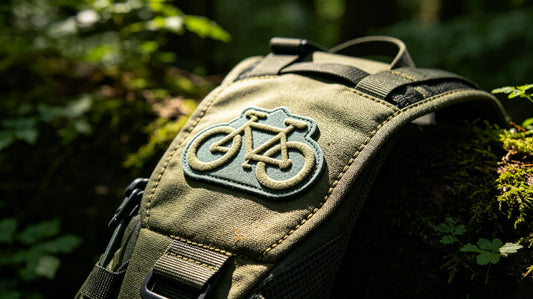
⚠️ Hook & Loop Backing Mainly applied to interchangeable decorative patches on caps, backpacks and utility tactical fashion pieces, rarely used on main clothing bodies.
Edge Finishing Options for 3D Embroidered Patches
- Laser Cut Edge Top choice for fashion custom irregular graphics. Laser trimming creates sharp, clean outlines for artistic silhouettes. Manufacturers must add continuous foam wrapping stitches to seal all cut edges.
- Merrow Stitched Border Ideal for regular-shaped logos, oval and shield emblems. Reinforced outer stitching prevents edge fraying, delivering classic vintage streetwear aesthetics.
- Hot Cut Edge Only suitable for tiny lightweight decorative patches. Avoid hot cut edges for large apparel patches; heat-sealed edges tend to separate after multiple washes.

Part 4: Critical Production Requirements for Fashion 3D Embroidered Patches
Professional 3D Embroidery Digitizing
- Adjust balanced stitch density to avoid excessive compression flattening foam during folding and washing
- Mandatory full foam edge wrapping stitches to completely cover foam and block water penetration
- Add perimeter stabilizing running stitches to minimise edge curling after repeated laundry cycles
Pre-Production Sample Confirmation
Fashion brands require precise texture and color presentation. Always confirm physical pre-production samples before bulk orders. Digital renderings cannot reflect real foam height, stitch texture and color performance on fabric.
Batch Color Consistency
Unified thread lots are required for one order to avoid color difference between separate batches of 3D Embroidered Patches, guaranteeing consistent appearance across all finished garments.
Part 5: Application & Care Tips for Garments with 3D Embroidered Patches
- When sewing sew-on 3D Embroidered Patches onto denim and fleece, select matching polyester sewing thread to ensure coordinated texture.
- Avoid placing large heavy patches on high-friction areas such as waistbands and underarms.
- Turn garments inside out before machine washing to protect embroidery surfaces.
- Select low-temperature air drying; high heat will deform internal foam structure.
- Do not iron directly on the raised surface of 3D Embroidered Patches.

Part 6: Common Defects of Fashion 3D Embroidered Patches & Solutions
1. Embroidery thread fades after washing
Cause: Low color fastness thread Solution: Specify Grade 4+ wash-resistant polyester thread for all 3D Embroidered Patches
2. Raised foam surface becomes permanently flat
Cause: Overly soft EVA foam or over-dense stitch compression Solution: Choose medium-hardness closed-cell foam and adopt balanced digitizing parameters for 3D Embroidered Patches
3. Foam exposed from patch edges after wear
Cause: Missing full perimeter wrapping stitches Solution: Write full foam edge wrapping requirements into production specifications for every 3D Embroidered Patch
4. Iron-on patches peel off garments after washing
Cause: Adhesive degraded by water and temperature Solution: Switch to sew-on backing for all retail fashion apparel 3D Embroidered Patches
5. Patch edges curl after repeated washing
Cause: Insufficient stabilizing stitches or thin base twill Solution: Upgrade to medium-weight twill and add reinforcing running stitches during digitizing
Part 7: Maintenance Guidance for Fashion Garments with 3D Embroidered Patches
- Wash garments inside out with mild detergent, use cold or lukewarm water cycles
- Avoid bleach, strong stain removers and fabric softener that damage thread color and foam structure
- Air dry away from direct sunlight; prohibit high-temperature tumble drying
- Do not scrub hard on raised embroidery areas during cleaning
- Prevent long-term heavy stacking compression during storage to preserve stereo shape

Part 8: 2026 Industry Trend for Fashion 3D Embroidered Patches
Streetwear and contemporary fashion brands are increasingly leaning into textured decoration. Many designers actively distinguish foam-based 3D Embroidered Patches from flat embroidery, silicone transfers and metal hardware. Limited collaborative collections frequently adopt layered 3D Embroidered Patches as core visual selling points. Consumers pay more attention to tactile texture and product durability. Brands gradually abandon low-cost inferior foam embroidery and turn to standardized high-quality 3D Embroidered Patches with stable foam thickness and complete edge wrapping, to improve overall product quality and consumer satisfaction.
Final Summary Core Rule
Custom 3D Embroidered Patches constructed with thread-wrapped closed-cell foam deliver distinctive layered tactile decoration for streetwear and fashion apparel, with unique advantages over flat embroidery, silicone patches and metal ornaments. Sew-on backing remains the most reliable solution for retail fashion garments. Design needs to balance graphic delicacy and production feasibility, and production must implement full foam edge wrapping and high wash fastness thread. With scientific material selection and professional 3D embroidery digitizing, foam embroidered patches maintain stereo shape, color and texture during long-term daily wear and repeated washing.
Frequently Asked Questions
Q1: Which backing is best for 3D Embroidered Patches on fashion hoodies and denim jackets? A: Sew-on backing is strongly recommended for mass retail apparel; iron-on backing is only suitable for low-wash DIY merchandise.
Q2: Can 3D Embroidered Patches match minimalist and vintage streetwear aesthetics? A: Yes. Adjust foam thickness, stitch density and color palette to fit minimalist, retro, punk and multiple fashion styles.
Q3: Will 3D Embroidered Patches deform after repeated washing? A: Properly manufactured 3D Embroidered Patches maintain stable structure under normal washing conditions, provided users follow garment care instructions.
Q4: What foam thickness suits most fashion apparel 3D Embroidered Patches? A: 2mm medium-hardness closed-cell foam is the universal choice for most hoodies, denim and caps.
Tags:
Previous
Custom 3D Embroidered Patches for Sports Teams & Athletic Apparel | Design Tips, Fabric Compatibility and Wash Durability
Next
Custom 3D Embroidered Patches for Corporate Uniforms & Brand Merchandise | Branding Guidelines, Fabric Compatibility and Long-Term Durability