3D Embroidered Patches for Tactical Gear & Outdoor Enthusiasts | Design Guide, Durability and Backing Options
Tactical operators, hikers, campers and outdoor groups require practical, eye-catching patches to display unit marks, team logos, morale slogans and personal identifiers. Many buyers confuse multiple product types: flat embroidery, rigid PVC patches, hard metal insignia and 3D Embroidered Patches. The core difference lies in construction: 3D Embroidered Patches achieve three-dimensional relief by covering closed-cell EVA foam with continuous polyester stitching, rather than molded plastic, stamped metal or stacked flat threads.
Unlike rigid alternatives, foam-based 3D Embroidered Patches remain flexible. They bend naturally with nylon tactical fabric, backpack straps and outdoor jackets without cracking or chipping. In field conditions, gear faces mud, rain, prolonged sun exposure and constant rubbing. Low-quality patches suffer thread fading, foam compression, exposed foam edges and backing separation. This guide is dedicated purely to foam constructed 3D Embroidered Patches for tactical and outdoor use, clarifying design rules, material formulas, backing selection and field-focused production standards.

Part 1: Why Tactical & Outdoor Users Choose 3D Embroidered Patches
Flexible Raised Embroidery Texture
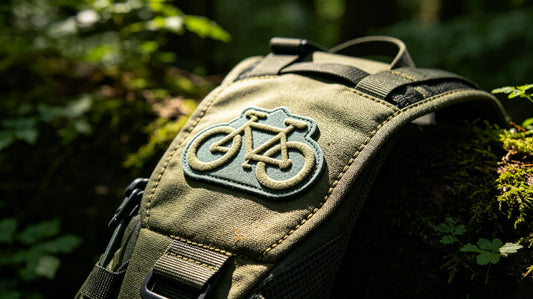
PVC patches and metal insignia are inflexible and can snag on branches, webbing and equipment. 3D Embroidered Patches feature soft foam relief, conforming to curved backpack surfaces and tactical vest panels. The raised stitching creates clear visual depth without rigid hard edges.
Superior Fabric Compatibility
3D Embroidered Patches attach securely to nylon, canvas, polyester and softshell outdoor fabrics. They do not scratch equipment or wear away surrounding textile material, a common downside of metal badges.
Strong Visibility in Outdoor Lighting
Layered thread-wrapped foam creates distinct shadows and outlines. Logos, symbols and lettering stand out clearly on dark tactical fabrics, offering better visual definition than flat embroidery under uneven outdoor light.
Removable or Permanent Attachment Options
Manufacturers can produce 3D Embroidered Patches with multiple backing choices, allowing users to select removable hook & loop for interchangeable morale marks or sew-on backing for permanent team identifiers.
Lightweight Structure
Compared to thick PVC and heavy metal insignia, 3D Embroidered Patches add minimal weight to backpacks and load-bearing gear, an important advantage for long-distance hiking and extended field missions.
Part 2: Core Design Guidelines for Tactical & Outdoor 3D Embroidered Patches
2.1 Optimise Graphics for Field Readability
Patches are often seen from a distance during outdoor activities. Avoid overcrowding designs with tiny intricate details. Use bold outlines, thick lettering and strong color contrast to maintain recognition.
- Minimum uppercase letter height: 6mm for 2mm foam 3D Embroidered Patches; 8mm for 3mm high-relief foam embroidery.
- Ultra-thin graphic lines must be widened during artwork optimization. Thin lines cannot support stable foam wrapping stitches and will flatten quickly after repeated friction.
2.2 Standard Sizing Reference for Tactical 3D Embroidered Patches
- Standard Morale 3D Embroidered Patch: 7cm – 10cm
- Large Unit Identifier Patch: 10cm – 15cm
- Cap / Collar Small Patch: 4cm – 6cm
- Backpack Large Panel Patch: 12cm – 18cm
2.3 Color Selection for Outdoor Stability
Choose Grade 4+ light fastness high-tenacity polyester embroidery thread. Low-grade dyed threads discolor rapidly under continuous UV sunlight. Earth tones, military greens, black and high-contrast accent colors are widely used for tactical 3D Embroidered Patches.
2.4 Contour Design Recommendations
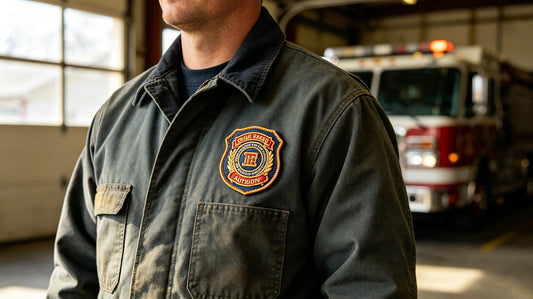
Custom irregular shapes, shield outlines and rectangular silhouettes are common for tactical patches. All outer contours must include full perimeter thread wrapping to seal foam edges and prevent foam exposure after surface abrasion.

Part 3: Specialised Material Selection for Field-Ready 3D Embroidered Patches
All materials listed below are engineered exclusively for foam-based 3D Embroidered Patches and are not interchangeable with raw materials for PVC patches, metal insignia or flat embroidery.
Embroidery Thread
High-tenacity polyester thread with Grade 4+ UV light fastness. Cotton thread is not suitable for outdoor gear; it absorbs water, weakens and fades rapidly in damp environments.
Base Fabric
Medium-to-heavy weight polyester twill. Thick base fabric provides stable support for dense foam wrapping stitches, resisting tearing and deformation under constant friction against webbing and gear.
3D Relief Core: Closed-Cell EVA Foam
Medium-hardness closed-cell EVA foam is the standard specification for tactical 3D Embroidered Patches. Overly soft foam compresses flat after frequent rubbing; excessively hard foam reduces flexibility and increases stitching difficulty. 2mm foam is the most popular choice for lightweight morale patches; 3mm foam is selected when maximum stereo depth is required.
Backing Selection for Tactical 3D Embroidered Patches
✅ Hook & Loop Backing (Most Popular for Tactical Gear) Perfect for removable morale 3D Embroidered Patches on tactical vests, backpacks and caps. Users can swap patches easily according to missions, events or personal preference. Ensure full, flat lamination of hook & loop material to avoid bubbling during field use.
✅ Sew-On Backing Ideal for permanent team identifiers on outdoor jackets, fixed backpack panels and official unit apparel. Sew-on backing eliminates the risk of adhesive failure caused by high temperature and moisture.
⚠️ Iron-On Backing — Limited Application Iron-on backing is only suitable for low-friction indoor or occasional casual outdoor use. Continuous outdoor heat, moisture and rubbing will degrade adhesive layers, leading to detachment. Not recommended for tactical field gear.
Edge Finishing Options for 3D Embroidered Patches
- Laser Cut Edge Top choice for tactical custom contour 3D Embroidered Patches. Laser trimming delivers precise, sharp irregular outlines. Manufacturers must add continuous surrounding wrapping stitches to seal foam and prevent exposure.
- Merrow Stitched Border Suitable for regular rectangular, oval and shield-shaped 3D Embroidered Patches. Reinforced outer stitching prevents edge thread fraying during heavy friction with webbing and gear.
- Hot Cut Edge Only approved for small lightweight 3D Embroidered Patches. Avoid hot cut edges for large tactical identifiers; heat-sealed edges may split under long-term tension.

Part 4: Critical Production Requirements for Tactical 3D Embroidered Patches
Professional 3D Embroidery Digitizing Settings
- Balance stitch density to avoid excessive compression flattening foam during repeated friction
- Mandatory full foam edge wrapping stitches to seal all foam surfaces and prevent abrasion damage
- Add stabilizing running stitches along the perimeter to minimise edge warping on larger-format patches
Flat Lamination Standards
For hook & loop backed 3D Embroidered Patches, the backing material must be fully laminated without air bubbles. Uneven lamination creates weak points that peel under outdoor conditions.
Physical Pre-Production Sample Approval
Always confirm a physical sample before bulk production. Digital mockups cannot verify uniform foam raised height, stitch coverage or backing flatness. Test the sample on the actual tactical fabric to check flexibility and visual effect.
Part 5: Practical Application Tips for 3D Embroidered Patches on Tactical Gear
- Hook & loop backed 3D Embroidered Patches should only be mounted onto compatible loop fabric panels. Do not attach directly to smooth nylon surfaces.
- When sewing sew-on 3D Embroidered Patches onto tactical vests, maintain uniform seam distance from edges to avoid uneven tension and warping.
- Do not fold or stack heavy weights on 3D Embroidered Patches during long-term storage; compressed foam cannot recover its original stereo shape.
- Avoid placing large 3D Embroidered Patches in high-abrasion contact zones such as pack shoulder load points.

Part 6: Common Defects of Outdoor 3D Embroidered Patches & Solutions
1. Embroidery thread fades after months of outdoor exposure
Cause: Low UV-resistant thread Solution: Specify Grade 4+ light fastness polyester thread when ordering 3D Embroidered Patches
2. Raised foam surface becomes flat after frequent rubbing
Cause: Overly soft EVA foam or over-dense stitch compression Solution: Select medium-hardness closed-cell foam and use balanced digitizing parameters for 3D Embroidered Patches
3. Foam peeks out from patch edges after surface wear
Cause: Missing full perimeter wrapping stitches Solution: Confirm full foam edge wrapping is included in production specifications for all 3D Embroidered Patches
4. Hook & loop backing separates from patch base
Cause: Poor lamination process Solution: Require full flat thermal lamination without bubbles during production QC
5. Patch edges gradually fray
Cause: Thin twill base fabric or low-quality edge finishing Solution: Upgrade to heavy-weight twill and select laser cut with wrapping stitches or merrow border
Part 7: Maintenance Guidance for 3D Embroidered Patches
- Avoid high-pressure power washing and strong chemical detergents; clean gently with cool water and mild soap
- Do not tumble dry at high temperature; air dry naturally away from direct sunlight
- Prevent prolonged compression during storage to preserve foam stereo structure
- Remove surface dirt using a soft microfiber cloth, avoid harsh scrubbing of embroidery threads
Part 8: 2026 Industry Trend for Tactical 3D Embroidered Patches
Outdoor and tactical communities are increasingly differentiating foam-based 3D Embroidered Patches from rigid PVC and metal insignia. Many buyers prioritise flexible, lightweight embroidered patches for hiking and long-duration field activities. Matching patch sets combining large unit identifiers and small interchangeable morale 3D Embroidered Patches are growing in demand. More customers request strict QC standards including consistent foam thickness, complete edge wrapping and verified UV-resistant thread to ensure stable performance in all weather conditions.

Final Summary Core Rule
Custom 3D Embroidered Patches constructed with thread-wrapped closed-cell foam deliver flexible, lightweight three-dimensional marking for tactical gear and outdoor equipment, offering unique advantages over rigid PVC patches and metal insignia. For field use, hook & loop backing remains the top choice for interchangeable morale patches, while sew-on backing suits permanent team identifiers. Design graphics should prioritise outdoor readability, and production must include full foam edge wrapping and UV-resistant thread. With proper material selection and professional 3D embroidery digitizing, foam embroidered patches maintain shape, color and texture through extended outdoor adventures.
Frequently Asked Questions
Q1: What backing is recommended for 3D Embroidered Patches on tactical vests? A: Hook & loop backing is the most popular option for removable 3D Embroidered Patches; sew-on backing works best for permanent team markings.
Q2: Are 3D Embroidered Patches flexible enough for backpack curved surfaces? A: Yes. Properly manufactured foam-based 3D Embroidered Patches bend naturally without cracking, unlike rigid PVC alternatives.
Q3: Can 3D Embroidered Patches withstand rain and prolonged outdoor sunlight? A: Yes, when produced with high light fastness polyester thread and closed-cell EVA foam. Regular maintenance extends service life significantly.
Q4: What foam thickness is recommended for tactical morale 3D Embroidered Patches? A: 2mm medium-hardness closed-cell foam is ideal for lightweight morale patches; select 3mm foam if deeper stereo relief is required.
Tags:
Previous
Custom 3D Embroidered Patches for Motorcycles & Biker Clubs | Design Rules, Durability & Outdoor Wear Resistance
Next
Custom 3D Embroidered Patches for Sports Teams & Athletic Apparel | Design Tips, Fabric Compatibility and Wash Durability