3D Puff Embroidery Patches: Design Guide, Pros & Ideal Uses
3D puff embroidery patches, also known as raised embroidered patches, are a popular upgraded version of traditional flat embroidery. By adding a special foam layer under the embroidery threads, the surface forms an obvious three-dimensional raised effect, which is more layered, vivid and visually striking than ordinary flat patches.
From team uniforms and sports apparel to fashion accessories and commemorative gifts, 3D puff patches are widely favored for their outstanding stereo texture. However, many designers and buyers are unfamiliar with its production principles, thickness limits and design taboos. Improper pattern design or excessive height settings will lead to deformed shapes, thread breakage or uncomfortable wearing experience.
This professional guide fully explains 3D puff embroidery patches. We introduce its production process, core advantages, limitations, design specifications, size standards, backing matching and classic application scenarios. Whether you are designing logo patches, team badges or decorative accessories, you can get complete reference here. Custom 3D embroidered patches delivers premium 3D puff embroidery solutions to create eye-catching raised patches for all purposes.

How 3D Puff Embroidery Works
Different from flat embroidery that stitches directly on the base fabric, 3D puff embroidery adds a soft EVA foam layer between the base cloth and embroidery threads during production.
- Cut the foam into the same shape as the patch pattern and attach it to the base fabric.
- Use high-density embroidery threads to stitch tightly over the foam, wrapping and fixing the foam completely.
- After trimming and border processing, the foam supports the embroidery surface to form a natural raised three-dimensional effect.
The foam material is lightweight, flexible and resilient. It will not harden after long-term use, and can fit curved surfaces such as hats and jackets well while maintaining a stable stereo shape.
Core Advantages of 3D Puff Embroidery Patches
1. Strong Three-Dimensional Visual Impact
The most prominent feature. Raised stitches create distinct layers, making logos, patterns and slogans stand out instantly. Compared with flat embroidery, it has a stronger sense of hierarchy and high-end texture.
2. Soft & Elastic Touch
Supported by lightweight foam, the overall texture is soft and elastic, not stiff or bulky. It is much more comfortable than thick solid patches when worn on clothes and hats.
3. Excellent Shape Retention
The integrated foam support prevents the embroidery surface from collapsing or deforming. Even after long-term extrusion, bending and washing, it can restore the original raised shape.
4. Rich Styling Compatibility
It can be matched with various shapes including round, shield, square and irregular silhouettes. Combined with merrow border, heat cut border and multiple backing types, the styling flexibility is high.
5. Good Wear & Wash Resistance
Qualified 3D puff patches adopt dense stitching technology. The threads wrap the foam tightly, so the internal foam will not fall off or shift after repeated washing and daily friction. The color fastness is consistent with traditional embroidery.

Limitations & Design Restrictions
To ensure finished product quality, you must understand the inherent limitations of this craft and avoid design errors.
1. Height Limitation for Raised Parts
The raised height is generally controlled between 2mm and 5mm. If it is too high:
- Thread tension increases sharply, easily causing thread breakage during production and use.
- The patch becomes overly bulky, affecting wearing comfort and fitting on curved surfaces.
- The edges are prone to warping and deformation.
2. Not Suitable for Ultra-Fine Details
The raised structure makes tiny lines and miniature text difficult to present clearly. Patterns with dense thin lines and super small fonts are not recommended for full 3D puff processing.
3. Partial Hollow Design Is Not Recommended
Large hollow areas will lose foam support, resulting in uneven height and collapsed surfaces. Keep the pattern area continuous and complete as much as possible.
4. Slightly Higher Cost Than Flat Embroidery
Extra foam materials and complex stitching processes increase production cost. For large-area full coverage 3D designs, the unit price will rise obviously.
Standard Size & Height Specifications
Follow these universal industry standards for the best appearance and practicality.
1. Overall Size Range
- Small patches (hat sides, collar marks): 3cm – 5cm. Control the raised height below 3.5mm to avoid bulging.
- Medium patches (chest emblems, main hat patterns): 5cm – 8cm. The most mainstream size, suitable for full 3D puff effect, height 3mm – 4.5mm.
- Large patches (jacket back, backpack main patterns): 8cm – 11cm. Appropriately reduce the raised height to 3mm – 4mm to prevent the middle part from collapsing.
2. Height Classification by Effect
- Light Puff (Low Raise): 2mm – 3mm. Slight stereo sense, close to flat embroidery in thickness, suitable for uniforms requiring neat appearance.
- Standard Puff (Medium Raise): 3mm – 4mm. Balanced stereo effect and comfort, the most popular choice for most scenarios.
- High Puff (High Raise): 4mm – 5mm. Obvious three-dimensional sense, only for decorative patches and souvenir patches, not recommended for close-fitting clothing.

Design Rules & Practical Tips
1. Pattern Design Principles
- Prioritize bold lines, large color blocks and large-size text. Thick outlines perform best under 3D puff craftsmanship.
- Simplify complicated details. Split the design: use 3D puff for main patterns and flat embroidery for auxiliary tiny details.
- Avoid overly long and narrow strips. Narrow shapes lack sufficient support and are easy to bend and deform.
2. Color Matching Suggestions
- Control the total number of colors within 4 – 6 types. Too many color conversions will increase stitching difficulty and affect the stereo effect.
- Use contrasting colors for the raised main body and border to further highlight the layered sense.
3. Partial 3D Puff Technique (Cost-Effective Choice)
It is not necessary to make the whole patch raised. You can apply 3D puff only on core logos, mascots or main slogans, and use flat embroidery for the background. This method retains the stereo highlight, reduces cost and ensures overall flatness and comfort.
Border & Backing Matching Guide
Border Options
-
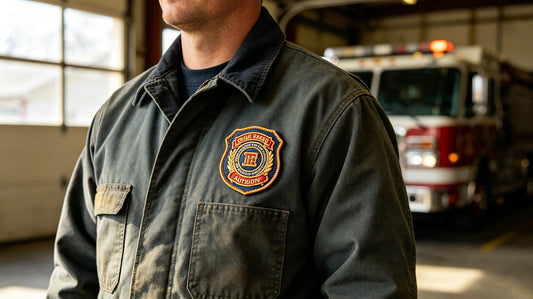
Merrow Border (Top Recommendation)The classic overlock border matches 3D puff embroidery perfectly. It reinforces the edge, prevents thread fraying, and echoes the three-dimensional style of the patch. Widely used for team emblems and uniform patches.
-
Heat Cut BorderFlat and concise, cost-effective. Suitable for casual decorative patches and simple-style 3D puff patches. Good for regular shapes.
Backing Selection
-
Sew-On BackingHighest durability. The first choice for school uniforms, work uniforms and frequently washed clothing. Firm fixation ensures the 3D structure does not shift during long-term use.
-
Iron-On BackingConvenient installation. Suitable for cotton, canvas casual clothes and hats with low washing frequency. Note: Do not use excessive temperature to avoid melting the internal foam.
-
Velcro BackingIdeal for tactical patches, morale patches and detachable decorative patches. Choose thin velcro to avoid excessive overall thickness affecting adhesion.

Best Application Scenarios
1. Sports Team & Athlete Uniforms
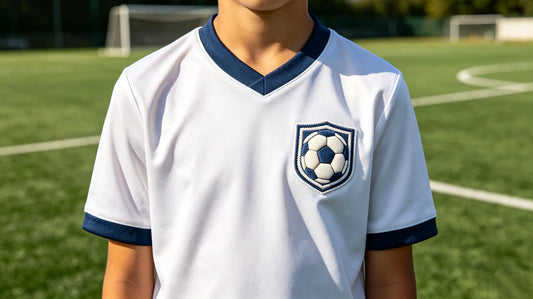
3D puff patches highlight team logos and mascots, full of vitality and power. Widely used for basketball, football, rugby and other sports team badges on jerseys and caps.
2. Fashion Apparel & Streetwear
Decorative patches on denim jackets, hoodies and casual hats. The unique raised texture enhances fashion sense and personalized style, favored by young trend groups.
3. School & Club Patches
Class badges, club emblems and activity commemorative patches. The layered effect makes campus symbols more eye-catching, suitable for uniforms, school bags and activity costumes.
4. Souvenir & Collectible Patches
Event souvenirs, travel commemorative patches and limited-edition collection patches. The three-dimensional craft improves collection value and grade.
5. Brand Logo Accessories
Brand identification patches for bags, hats and peripheral products. Distinct stereo texture deepens brand impression.
Scenarios Not Recommended
- Ultra-thin close-fitting clothes: Raised parts will cause foreign body sensation and affect comfort.
- Super small patches below 3cm: Limited space cannot present good 3D effect, and the foam is easy to shift.
- Designs with massive tiny text and fine lines: Details will be blurred after puff processing.
- High-temperature working environment: Long-term heat will soften and deform the internal foam.
Daily Care & Washing Tips
- Hand washing or gentle machine washing is recommended. Do not use strong scrubbing on the raised embroidery area to prevent thread loosening.
- Turn clothes inside out before washing to reduce friction on the patch surface.
- Avoid high-temperature drying and long-term sun exposure, to prevent foam aging and deformation.
- If the edge threads are loose, trim them gently with scissors; do not pull forcibly.

Common Customization Mistakes to Avoid
- Setting the raised height over 5mm blindly, resulting in bulky shape and thread breakage.
- Applying full 3D puff on designs with dense tiny text, leading to unclear presentation.
- Choosing high-temperature iron for iron-on 3D patches, melting the internal foam.
- Designing long and narrow irregular shapes, causing easy bending and deformation.
- Using 3D puff patches on close-fitting sweatwear, reducing wearing comfort.
Final Summary
3D puff embroidery patches rely on foam support and raised stitches to create a unique three-dimensional charm, standing out among various embroidered crafts.
When customizing, reasonably control the raised height and pattern details: medium size of 5cm–8cm and standard height of 3mm–4.5mm are the most versatile solutions. For fine details, adopt partial 3D + full flat combined craftsmanship to balance effect and cost.
Merrow border with sew-on backing is the safest match for long-term used uniforms; velcro and iron-on are suitable for decorative and detachable scenarios. As a classic upgraded embroidery craft, 3D puff patches can add layers and highlights to all kinds of apparel, gear and gifts when designed properly.
Frequently Asked Questions
Q1: What is the normal raised height of 3D puff patches?
A: 3mm to 4.5mm is the standard height for the best effect and comfort.
Q2: Can 3D puff patches be washed normally?
A: Yes, gentle hand wash or mild machine wash is allowed; avoid vigorous scrubbing.
Q3: Is full 3D puff suitable for patches with small letters?
A: Not recommended. Tiny text will become blurry after being raised.
Q4: Which border matches 3D puff embroidery best?
A: Merrow overlock border is the classic and most compatible choice.
Tags:
Previous
Leather Patches: Style, Craft, Care & Best Usage Ideas
Next
Custom Name Patches: Personalized Labels for Clothes, Uniforms & Bags