Leather Patches: Style, Craft, Care & Best Usage Ideas
Leather patches stand out from fabric and rubber styles with unique natural grain, soft touch and timeless vintage charm. Dating back to early clothing accessories and brand marks, they have always been a symbol of high-grade texture. Whether decorated on jackets, hats, bags or leather goods, a well-made leather patch can instantly elevate the overall style, creating a retro, rugged or elegant atmosphere.
Many people love the look of leather patches but lack understanding of material differences, production crafts and maintenance rules. Problems like hardening, cracking, fading and deformation often occur due to improper use or care. Besides, leather has special limitations in washing and bending, which also requires targeted design and installation solutions.
This full guide focuses on leather patches, distinguishing genuine leather and faux leather, introducing mainstream production crafts, size & shape selection, backing options, classic application scenarios and professional maintenance methods. It is suitable for brand customization, retro style matching, personal fashion decoration and souvenir production. Custom 3D embroidered patches also provides premium leather patch customization service to create exclusive vintage accessories.

Two Main Leather Materials: Genuine Leather vs Faux Leather
Before customization, clarify material types to match your budget and usage demands.
1. Genuine Leather Patches
Made from natural animal leather, mainly cowhide as the mainstream choice.
- Features: Natural irregular grain, soft and elastic touch, unique texture for each piece. Good durability, not easy to crack after long-term use. With natural leather fragrance.
- Advantages: Premium sense, strong retro texture, excellent wear resistance and collection value.
- Limitations: Higher price, limited color customization, poor water resistance. Not suitable for frequent washing and humid environments.
- Best for: High-end apparel, luxury accessories, limited-edition souvenirs and collectible patches.
2. Faux Leather (PU Leather) Patches
Synthetic leather material, imitating the appearance of natural leather. It is the most widely used material for mass customized leather patches.
- Features: Uniform surface grain, stable texture, diverse color options, flexible shaping. Soft texture close to genuine leather.
- Advantages: Affordable price, rich colors and shapes, stable quality for bulk orders, easy to process embossing and printing.
- Limitations: Service life shorter than genuine leather. May harden slightly after years of use.
- Best for: Fashion apparel, casual hats, canvas bags, team uniforms and large-batch promotional gifts.
Main Production Crafts for Leather Patches
Different crafts present distinct visual and tactile effects, choose according to design content and style positioning.
1. Embossed / Debossed Craft (Most Classic)
Press patterns, logos or text onto leather surface via professional molds, forming concave or convex stereo effects.
- Style: Low-key and textured, retains the original leather flavor, the top choice for retro and minimalist styles.
- Applicable: Simple logos, brand names, geometric patterns and classic totems.
- Tip: Deep embossing enhances three-dimensional sense; shallow embossing keeps the surface flat and comfortable.
2. Silk Screen Printing
Print colorful patterns, complex graphics and detailed text on leather surface with special leather ink.
- Style: Rich colors, flexible pattern design, can realize multi-color and gradient effects.
- Applicable: Cartoon patterns, portrait designs, colorful slogans and personalized decorative patches.
- Tip: Use waterproof and wear-resistant leather ink to prevent printing peeling and fading.
3. Laser Engraving
Use laser to carve patterns and text on leather, showing clear dark lines against the base color.
- Style: Exquisite and delicate, high precision for tiny text and fine lines.
- Applicable: Small labels, name tags, delicate signature patterns and detailed identification marks.
4. Stitched Border Decoration
Add manual or machine stitching around the leather patch edge, matching different colored threads.
- Style: Strengthens handmade feeling and retro cowboy style, also reinforces the edge to prevent fraying.
- Often combined with embossing and printing for richer layered effects.

Standard Size & Shape Selection
Universal Size Range
- Chest & Hat Main Patches: 4cm – 7cm. Golden size for jackets, hat front panels, moderate visual weight without being bulky.
- Back Large Patches: 7cm – 11cm. For the back of denim jackets and overcoats, enough space for large logos and complex patterns.
- Small Label Patches: 2.5cm – 4cm. Used for collar, pocket side and bag details, delicate and subtle.
Recommended Shapes
- Round & Oval: Gentle and classic, fits curved surfaces such as hats well, not easy to warp. Suitable for brand logos and portrait patterns.
- Square & Rectangle: Neat and rigorous, ideal for text combinations and rectangular trademarks. Rounded corners are strongly recommended to avoid sharp edges scratching skin or fabric.
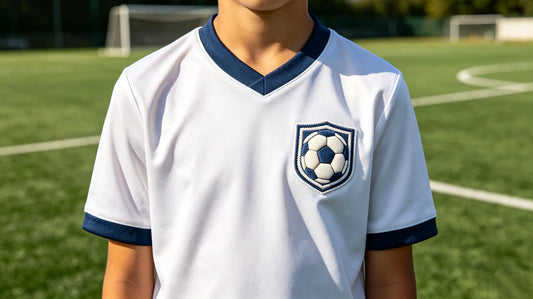
- Shield: Tough and retro, popular for team emblems, outdoor style and cowboy fashion.
- Irregular Custom Shapes: Silhouettes of animals, badges and special icons, for personalized fashion designs. Keep outlines smooth to prevent edge damage.
Backing & Installation Methods
Leather has poor air permeability and rigidity compared with fabric, so backing and installation need special attention.
1. Sew-On Backing (First Choice for Long-Term Use)
- Advantages: Firm fixation, will not fall off after long-term wearing and slight bending. Does not damage the leather surface.
- Installation tips: Use thick needle and durable polyester thread. Stitch along the edge uniformly, leave proper distance from the edge to avoid tearing the leather.
- Applicable: Jackets, coats, hats and leather goods for permanent decoration.
2. Iron-On / Heat Seal Backing
- Advantages: Easy installation, no visible stitches on the surface, clean appearance.
- Notes: Must use low temperature for heating. High temperature will scorch leather, cause hardening and discoloration. Not suitable for genuine leather with natural pores.
- Applicable: PU leather patches on thick cotton and denim fabrics with low washing frequency.
3. Strong Adhesive Backing
- Use special leather glue for pasting. Only for hard surfaces such as luggage, gift boxes and wallets. Not recommended for soft clothing that bends frequently.

Classic Application Scenarios
1. Denim & Vintage Jackets
The most classic matching scene. Leather patches on the chest, sleeves or back of denim jackets create strong retro street and cowboy style, which has been popular for decades.
2. Retro Baseball Caps & Cowboy Hats
Leather patches perfectly fit the casual vintage style of hats. Embossed logos on the front panel improve the grade and will not deform after long-term wearing.
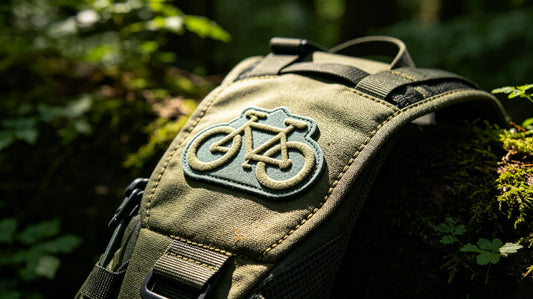
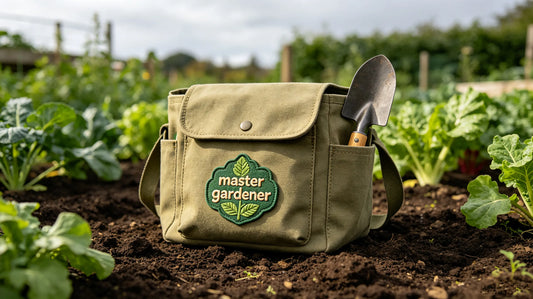
3. Canvas Bags & Retro Backpacks
Match with canvas material to form a collision of soft fabric and leather texture, favored by fashion and retro style lovers.
4. Leather Goods & Footwear
Decorative marks on leather wallets, belts, boots and sneakers, unified brand style and enhance product recognition.
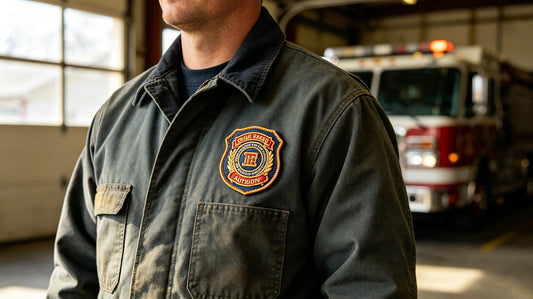
5. Uniforms & Work Apparel
High-end work uniforms, outdoor work clothes and craft uniforms use leather patches to present a steady and professional temperament.
Daily Cleaning & Maintenance Rules
Leather is a delicate material, scientific maintenance can effectively prevent hardening, cracking and fading and extend service life.
Basic Maintenance Principles
- Keep dry and ventilated. Avoid long-term exposure to humid environment to prevent mildew.
- Stay away from high temperature and direct strong sunlight. UV and heat will make leather lose oil, harden and crack.
- Avoid contact with corrosive liquids, oil stains and chemical solvents.
Regular Cleaning Steps
- Daily dust: Wipe gently with dry soft cloth, do not rub hard.
- Slight stains: Use a slightly damp soft cloth (not dripping water) to wipe locally, then dry in shade immediately.
- Stubborn dirt: Use special leather cleaning agent, test on the inconspicuous area first before overall use.
- After cleaning: Apply a small amount of leather conditioner evenly to replenish grease and keep the leather soft.
Handling Common Problems
- Leather hardening: Apply leather conditioner repeatedly, knead gently to restore softness.
- Surface mildew: Wipe with dry cloth first, then use mild leather de-mold agent, fully dry in shade.
- Print/emboss fading: Avoid repeated friction on the pattern area; do not use colored polishing agents.
- Edge warping: Reinforce with needle and thread or special leather glue, do not pull forcibly.
Strict Prohibitions
❌ Do not soak leather patches in water or machine wash
❌ Do not scrub with hard brush or rough cloth
❌ Do not expose to sun or use hair dryer for quick drying
❌ Do not use bleach, laundry detergent and alcohol for cleaning

Common Customization Mistakes to Avoid
- Choosing overly thin leather material, leading to easy deformation and wrinkling after bending.
- Designing overly complex tiny lines on embossed leather, resulting in unclear patterns.
- Using high-temperature iron when installing iron-on leather patches, causing scorching and hardening.
- Matching leather patches on close-fitting sweat clothes, poor air permeability and uncomfortable to wear.
- Ignoring rounded corners for square leather patches, easy to scratch and wear out.
Final Leather Patches Summary
Leather patches win by natural texture and vintage charm. Choose genuine leather for high-end positioning and collection purposes, and pick cost-effective PU leather for large-batch fashion and team orders.
Embossing and laser engraving highlight low-key texture, while printing is suitable for colorful personalized designs. Sew-on installation is the most reliable for long-term use. The core of maintenance is keeping dry, avoiding high temperature and supplementing leather oil regularly.
Whether for fashion matching, brand identification or souvenir collection, leather patches can add a unique retro temperament to all kinds of items, standing the test of time.

Frequently Asked Questions
Q1: Can leather patches be machine washed?
A: No. Water soaking and machine washing will cause hardening, deformation and mildew.
Q2: Which is better, genuine leather or faux leather patches for bulk orders?
A: Faux PU leather is more cost-effective with stable quality for large quantities.
Q3: What craft is best for logo on leather patches?
A: Embossing and laser engraving are the most classic and textured choices.
Q4: Can I use an iron to attach leather patches?
A: Only PU leather can use low-temperature iron; genuine leather is not recommended for iron-on.
Tags:
Previous
Custom Velcro Patches: A Complete Guide to Design, Use & Maintenance
Next
3D Puff Embroidery Patches: Design Guide, Pros & Ideal Uses