Custom Velcro Patches: A Complete Guide to Design, Use & Maintenance
Velcro patches, also known as hook & loop patches, have become a mainstream choice for tactical enthusiasts, outdoor teams and patch collectors. Different from traditional sew-on and iron-on styles, their biggest advantage is detachable design. You can freely replace, combine and match patches according to occasions, moods or team activities, without causing any damage to clothes, hats or bags.
Many users only focus on pattern design when customizing velcro patches, ignoring the matching of velcro specifications, size adaptation and daily maintenance. Problems like weak adhesion, lint accumulation and backing falling off often occur after a period of use. Mastering professional design and usage rules can effectively extend the service life of velcro patches and keep their performance stable.
This comprehensive guide systematically introduces velcro patches, including structural principles, craft matching, size standards, shape design, installation methods, applicable scenarios and maintenance tips. Whether you customize tactical morale patches, team identification patches or collection patches, you can get practical suggestions here. Custom 3D embroidered patches provides high-quality velcro patches with multiple crafts to meet your detachable matching needs.

Basic Structure & Working Principle of Velcro Patches
A complete velcro patch set consists of two parts: the hook side and the loop side.
- Hook side: Attached to the back of the custom patch. The surface is covered with tiny hard plastic hooks, which are the active part of adhesion.
- Loop side: Usually sewn or pasted on clothes, vests, hats and other carriers. The soft fiber loops can be tightly locked by small hooks to realize fixation.
When the two sides are pressed together, they form a firm connection; when you gently peel them apart, the patches can be removed easily. This reusable structure is the core charm of velcro patches. Most finished velcro patches come with pre-attached hook backing, while the loop tape needs to be configured according to the actual carrier.
Core Advantages of Velcro Patches
-
Free Replacement & CombinationSwitch different styles and themed patches anytime, creating diverse matching effects. It is especially suitable for users who pursue personalized changes and series collection.
-
No Damage to CarriersNo sewing or hot melting is required during use. Repeated disassembly will not leave traces or damage the fabric of clothes and gear.
-
Wide CompatibilityMatch with tactical vests, outdoor hats, backpacks, uniforms and other items with loop tape. The application range is extremely broad for team identification and decorative use.
-
Strong Shock & Friction ResistanceAfter fitting tightly, it can withstand daily extrusion, friction and slight pulling. It will not fall off accidentally during outdoor activities and sports.
-
Easy Sorting & CollectionDetachable patches can be stored on dedicated velcro display boards, convenient for classification, viewing and exchange among collectors.

Recommended Crafts for Velcro Patches
Velcro backing can be matched with most mainstream patch crafts. Choose reasonably based on design style and usage scenarios.
1. PVC Rubber Velcro Patches (Most Popular)
- Features: Flexible material, fits curved surfaces such as hats and vests perfectly. Supports complex shapes, full colors and 3D raised effects. Waterproof and wear-resistant, adapting to harsh outdoor environments.
- Applicable: Tactical morale patches, outdoor activity patches, creative irregular patches.
- Note: Choose medium soft PVC. Overly hard material will reduce the adhesion between hooks and loops.
2. Embroidered Velcro Patches (Classic Style)
Divided into flat embroidery and 3D puff embroidery:
- Flat embroidery: Classic thread texture, retro military style, excellent washing resistance, suitable for regular logo and totem patches.
- 3D puff embroidery: Prominent three-dimensional sense, strong visual impact, favored by team and commemorative patches.
- Note: Thick 3D embroidery will increase overall thickness. Avoid excessive bulging to prevent poor fitting.
3. Woven Velcro Patches
- Features: Ultra-thin and flat, clear tiny text and fine lines, soft touch.
- Applicable: Mini identification patches, brand labels and subtle decorative patches. Not recommended for large-sized main display patches.
Standard Size Selection Guide
The size of velcro patches should match the area of the loop tape on the carrier. Too large or too small will affect the adhesion and appearance.
1. Standard Regular Size (Main Display Patches)
- 5cm – 8cm: The most versatile size. Suitable for the front of tactical vests, hat panels and backpack main areas. Enough space for complete patterns and slogans, balanced in size and adhesion.
- 8cm – 10cm: Large-sized velcro patches, for large-area display on the back of vests and jackets. Ensure the carrier has enough loop tape area.
2. Mini Size (Auxiliary Combination Patches)
- 3cm – 5cm: Mini decorative patches, used for collocation beside main patches, hat sides and strap positions. Small and exquisite, enrich the layered sense of overall matching.
3. Special Reminder
The patch size should not exceed the range of the loop tape. It is recommended that the patch area be 80% of the loop tape area, which can maximize the adhesion effect and avoid edge warping.

Shape Design Rules
1. Irregular Shapes
The mainstream choice for morale patches. Animal silhouettes, equipment outlines, cartoon shapes and hollow-out designs are all available. Use laser cutting to ensure smooth edges. Avoid overly slender protruding parts, which are easy to be pulled and deformed.
2. Regular Shapes
Round, oval, shield, rounded square and rectangle. Neat and formal, widely used in team logos, school groups and corporate identification patches. Rounded corners are preferred for square patches to prevent scratching the fabric.
3. Edge Treatment
- PVC patches: Integrally formed edges, no extra processing needed.
- Embroidered & woven patches: Equipped with heat cut or merrow border to prevent edge fraying and extend service life.
Backing Matching & Installation Methods
1. Pre-Attached Hook Backing (Factory Standard)
Most custom velcro patches are finished with hook side pasted on the back. It is firm and not easy to fall off after professional pressing, suitable for long-term use. No need for secondary processing after receiving the goods.
2. Separate Velcro Accessories
If you need to configure loop tape by yourself, there are two common installation ways:
- Sew-on loop tape: The most durable. Stitch the loop tape on clothes, vests and bags with thread. Firm connection, not falling off after long-term washing and friction. The first choice for uniforms and frequently used gear.
- Iron-on loop tape: Convenient installation. Use a hot iron to fix the loop tape on heat-resistant fabrics. Suitable for temporary layout and DIY decoration. Not recommended for high-frequency washing items.
Standard Installation Steps
- Clean the surface of the carrier to remove dust and sundries.
- Fix the loop tape at the target position and ensure it is flat without wrinkles.
- Align the velcro patch and press firmly for 3 – 5 seconds to make the hooks and loops fully engaged.
- Test the firmness by gentle pulling; re-press if loose.

Main Application Scenarios
1. Tactical & Outdoor Gear
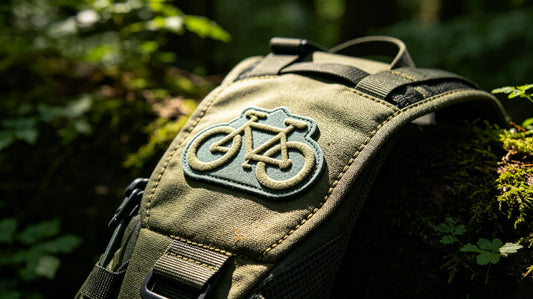
Tactical vests, combat uniforms, outdoor hats, hiking backpacks. Velcro design meets the frequent replacement demands of morale patches, and the material adapts to wind, rain and sand in the wild.
2. Team & Group Identification
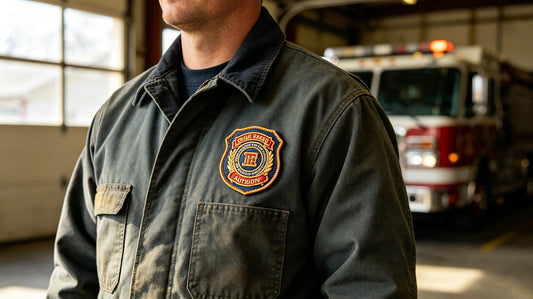
Sports teams, club organizations, volunteer groups and activity teams. Different patches can be replaced according to different events, and unified styles enhance team cohesion.
3. Clothing & Daily Decoration
Casual jackets, fashion hats and canvas bags. Users can match patches according to outfits and styles, realizing diversified personalized decoration without damaging clothes.
4. Patch Collection & Display
Collectors use velcro display boards to classify and place patches. It is convenient for viewing, sorting and exchanging works, and becomes a unique collection display method.
5. Event Temporary Identification
Large-scale competitions, exhibitions and themed activities. Detachable patches are easy to distribute and recycle, reducing material waste compared with fixed patches.
Daily Maintenance & Troubleshooting
Velcro will inevitably accumulate lint, dust and sundries during use, which is the main cause of weakened adhesion. Master the following maintenance skills to keep it in good condition.
1. Regular Lint Cleaning
- Use a small soft brush or old toothbrush to brush the hook surface back and forth, and remove entangled lint and hair.
- For stubborn sundries, use tweezers to pick them out one by one. Do not pull hard to avoid damaging small hooks.
- Cleaning cycle: Once every 1 – 2 weeks for frequently used patches.
2. Washing Notes
- When washing clothes with loop tape, fasten all velcro patches first to prevent hooks from hooking other fabrics and causing damage.
- Avoid soaking velcro parts in water for a long time. After washing, dry thoroughly in a ventilated place to prevent mildew.
3. Solve Common Problems
- Weak adhesion: Mostly caused by lint accumulation. Clean the hook and loop surface first; if the velcro material ages, replace the loop tape.
- Hook backing peeling off: Use strong fabric glue to re-glue, or sew the edge for reinforcement.
- Velcro makes noise when peeling: This is a normal physical feature, and there is no way to eliminate it fundamentally.

Common Customization Mistakes to Avoid
- Making oversized patches for small-area loop tape, resulting in insufficient fitting and easy falling off.
- Designing overly slender and sharp irregular outlines, which are easy to break and scratch fabrics.
- Choosing ultra-thin low-quality velcro backing, leading to rapid aging and poor adhesion.
- Ignoring edge sealing for embroidered velcro patches, causing edge fraying after short use.
- Excessively thick 3D patches, resulting in bulging and incomplete contact between velcro surfaces.
Final Velcro Patches Summary
The core advantage of velcro patches lies in detachable, reusable and non-damaging. PVC and embroidery are the two mainstream matching crafts, suitable for tactical creativity and classic styles respectively.
5cm – 8cm standard size is applicable to most scenarios. When customizing, match the patch size with the loop tape area of the carrier, and pay attention to the rationality of shape and thickness. Regular cleaning of lint is the key to maintaining stable adhesion.
Whether for outdoor tactical use, team identification, daily decoration or collection, high-quality velcro patches can bring great convenience and fun. Reasonable design and careful maintenance will let them accompany you for a long time.
Frequently Asked Questions
Q1: Do velcro patches damage clothes?
A: No, detachable design will not leave traces or damage fabric after repeated use.
Q2: How to fix velcro when adhesion becomes weak?
A: Clean the lint and dust on the hook and loop surface first. Replace the velcro tape if it ages.
Q3: Which craft is better for large velcro morale patches?
A: PVC rubber patches have better flexibility and fitting effect.
Q4: Can I wash clothes with velcro patches normally?
A: Yes, fasten the patches before washing and dry them thoroughly after cleaning.
Tags:
Previous
Sew-On vs Iron-On Patches: Which Backing Should You Choose
Next
Leather Patches: Style, Craft, Care & Best Usage Ideas