3D Puff Embroidery Patch Backing Guide | Iron-On, Sew-On, Hook & Loop, Adhesive Pros & Cons
Most flat patch backing tutorials cannot be applied to 3D foam puff embroidery. Flat patches consist solely of thread layers, while 3D patches adopt a composite structure built with base fabric, closed-cell EVA foam and wrapped embroidery stitches. This thick stereo structure is highly sensitive to high temperature, sustained pressure and incompatible adhesive materials. Many buyers encounter collapsed foam, uneven raised surfaces, backing bubbling and edge delamination after installation. These issues are mostly triggered by mismatched backing types and incorrect installation procedures.
Unlike flat embroidery patches, backing selection for 3D puff patches must prioritize foam safety, followed by durability and installation convenience. This article focuses exclusively on 3D embroidered patches, deeply analyzing four mainstream backing variants, covering strengths, weaknesses, wash resistance, foam compatibility and applicable scenarios, helping buyers avoid irreversible damage to the 3D puff effect.

Part 1: Core Difference — Why 3D Patches Require Independent Backing Standards
- Foam heat sensitivity: EVA foam begins to soften above 145°C, which may lead to permanent flattening.
- Thick structure stress: Ordinary thin adhesive layers struggle to fit uneven raised surfaces, easily creating hollow areas and bubbles.
- Stereo tension difference: Unbalanced local stress results in edge warping and delamination after repeated washing.
- Weight factor: 3D patches weigh more than flat embroidered patches, demanding stronger adhesion or secure stitching fixation.
Industry Golden Rule: Convenience cannot override foam safety. Any backing process requiring extreme high temperature or heavy compression must be strictly limited on high-relief 3D puff patches.
Part 2: Iron-On Heat Seal Backing (Heat Activated Glue)
Working Principle
A uniform hot melt adhesive layer is coated on the reverse side. The adhesive melts under heat to form a bond with target fabrics. It remains the most popular DIY backing option.
Advantages for 3D Patches
- No sewing required, supporting fast household installation
- Full-surface adhesive fitting delivers smooth backing without protruding texture
- Cost-effective, ideal for fashion-oriented decorative patches
Disadvantages for 3D Patches
- High temperature risk: Improper iron temperature directly melts foam and flattens the stereo profile
- Limited washing durability: Prone to peeling after frequent machine washing cycles
- Cannot be used on heat-sensitive fabrics
- Thick high-relief 3D patches suffer uneven adhesive compression, which easily creates hollow zones
Strict 3D Patch Operation Standard
Control temperature between 130–140°C, cover with protective fabric, apply short-duration pressing and allow natural cooling.
Best Application Scenarios
Daily casual jackets, denim bags, fashion merchandise, low-frequency washing apparel
Prohibited Scenarios
Leather, nylon, waterproof coated fabric, industrial uniforms requiring frequent washing

Part 3: Sew-On Plain Backing (Highest Durability for 3D Patches)
Working Principle
No adhesive coating. The original base fabric is reserved, and patches are fixed via hand or machine stitching.
Advantages for 3D Patches
- Complete foam safety: No high temperature or compression, zero damage to stereo structure
- Outstanding wash resistance, compatible with industrial laundry cycles
- No aging, peeling or bubbling defects
- Fully compatible with all thick high-relief EVA foam 3D patches
- Works with all fabric categories including leather and coated textiles
Disadvantages for 3D Patches
- Requires sewing work
- Visible stitching lines along patch edges
Best Application Scenarios
Tactical uniforms, workwear, motorcycle jackets, outdoor gear, premium long-term wearable apparel
Core 3D Benefit
Sew-on backing is the only backing variant that never impairs the 3D puff effect, making it the primary choice for high-end custom 3D patch orders.
Part 4: Hook & Loop (Velcro) Removable Backing
Working Principle
Factory pre-laminated full hook surface, paired with loop fabric panels for free detachment and replacement.
Advantages for 3D Patches
- Reusable and interchangeable, flexible for matching different outfits
- Causes no permanent damage to clothing
- Strong friction resistance, suitable for outdoor sports environments
Disadvantages for 3D Patches
- Adds extra thickness to already bulky 3D patches
- Partial strip-style hook backing leads to uneven force distribution and tilting
- Higher unit cost compared to iron-on and sew-on options
3D Exclusive Standard
Full covered hook backing is mandatory instead of segmented strip backing. Full-surface support balances the weight of stereo foam to prevent sagging and edge warping.
Best Application Scenarios
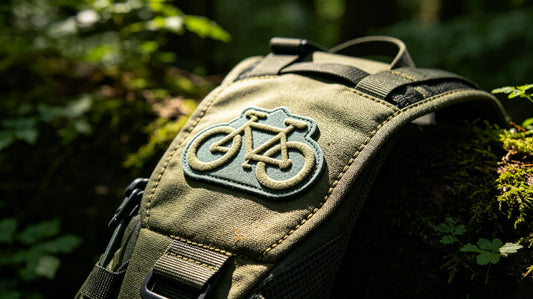
Tactical vests, morale badges, airsoft equipment, collectible patch sets, backpack panel attachments

Part 5: Temporary Removable Adhesive Backing (Disposable Use Only)
Working Principle
Peel-and-stick pressure-sensitive adhesive with no heat or sewing required.
Advantages for 3D Patches
- Instant attachment, convenient for temporary display purposes
- Leaves minimal residual glue on smooth surfaces
Disadvantages for 3D Patches
- Not waterproof or washable under any circumstances
- Poor adhesion performance on uneven reverse surfaces of 3D patches
- Easy detachment after mild friction
Best Application Scenarios
Exhibition displays, short-term event decoration, photoshoot props
Strict Prohibition
Not suitable for wearable 3D patches in any formal application
Part 6: 3D Patch Backing Performance Full Comparison Table
| Backing Type | Foam Safety | Wash Resistance | Reusable | Best For 3D Puff | Suitable Scenario |
|---|---|---|---|---|---|
| Iron-On Heat Seal | Medium (low temperature operation required) | Medium | No | ✅ Daily decoration | Casual fashion, bags |
| Sew-On Plain | ★★★★★ Perfect | Excellent | No | ✅✅ Top recommendation | Uniforms, heavy gear, high-end custom |
| Hook & Loop | Very Good | Excellent | ✅ Yes | ✅ Tactical style | Vests, outdoor removable badges |
| Temporary Adhesive | Good | Poor | No | ❌ Not recommended | Temporary display only |

Part 7: Scenario-Based 3D Backing Selection Rules
1. Fashion & Casual Custom 3D Patches
Priority: Iron-on backing (operate under low temperature standards) Upgrade choice: Sew-on backing for long-term wear
2. Tactical & Morale 3D Badges
Priority: Full covered hook & loop backing
3. Work Uniforms / Industrial Laundry Orders
Only recommended option: Sew-on backing Avoid iron-on backing due to peeling risk after repeated washing
4. High-Relief Thick 3D Patches (3mm–4mm Foam)
Priority: Sew-on / Hook & loop backing Avoid conventional high-temperature iron-on backing to prevent foam collapse
5. Leather & Nylon Garment 3D Patches
Only recommended option: Sew-on backing High-temperature treatment is strictly forbidden
6. Event Display & Short-Term Decoration
Option: Temporary adhesive / iron-on backing
Part 8: 6 Most Common 3D Backing Failure Cases & Solutions
1. 3D foam flattened after ironing
Cause: Excessive temperature and direct heavy pressing Solution: Switch to low-temperature ironing specification or adopt sew-on backing
2. Backing bubbling and hollowing
Cause: Uneven pressure applied on thick stereo surfaces Solution: Professional uniform machine lamination plus natural cooling cycle
3. Edge delamination after washing
Cause: Insufficient adhesive density along patch edges Solution: Add edge reinforcement stitching
4. Hook & loop 3D patch tilting
Cause: Strip-style partial hook backing creating uneven force Solution: Upgrade to full covered hook backing
5. Iron-on backing peeling frequently
Cause: Regular machine washing cycles Solution: Replace iron-on backing with sew-on backing
6. Thermal shrinkage on 3D patch edges
Cause: Uncontrolled high-temperature heat sealing process Solution: Adopt low-temperature adhesive process designed exclusively for 3D patches

Part 9: 2026 New 3D Backing Craft Trend
Manufacturers are widely deploying low-temperature hot melt adhesive engineered for 3D patches. Compared with traditional adhesive formulas, it reduces thermal damage to EVA foam and solves the long-standing pain point of flattened puff texture on iron-on 3D patches. Meanwhile, sew-on plus micro iron-on dual reinforcement becomes mainstream for premium fashion 3D patches: adhesive delivers quick positioning, while stitching provides permanent stability. Ultra-thin flexible hook backing gains popularity to reduce bulky appearance of thick 3D embroidered patches.
Final Summary Core Rule
Backing selection for 3D foam embroidered patches must set foam structural safety as the primary standard. Sew-on backing delivers maximum stability and durability with zero foam damage, suitable for all high-quality and long-term wearable scenarios. Iron-on backing offers convenient installation for daily decoration but requires strict low-temperature operation. Hook & loop backing serves as the optimal solution for removable tactical 3D badges. Temporary adhesive only applies to display purposes and should never be used on wearable products. Matching the correct backing type fully prevents stereo collapse, delamination and peeling defects on 3D puff patches.
Frequently Asked Questions
Q1: Can 3D puff patches be ironed normally? A: Yes, only at 130–140°C with protective fabric covering. High temperature melts EVA foam and permanently flattens the raised stereo effect.
Q2: Which backing delivers the highest durability for 3D patches? A: Sew-on plain backing, supporting unlimited washing cycles and long-term usage.
Q3: Do thick 4mm 3D patches support iron-on backing? A: Not recommended. Excessively thick foam causes uneven compression, easily resulting in hollow adhesive areas and local foam collapse.
Q4: Will hook & loop backing affect the stereo effect of 3D patches? A: Full covered hook backing fits closely without interfering with raised puff texture, maintaining stable and safe performance.
Tags:
Previous
Full Order Process for Custom 3D Embroidered Patches | Inquiry, Quotation, Artwork Review, Sampling, Pre-Production Confirmation, Mass Production & After-Sales
Next
3D Puff Embroidery Patch Color Matching Guide | Pantone Codes, Color Fastness, Color Variation Control & Design Tips