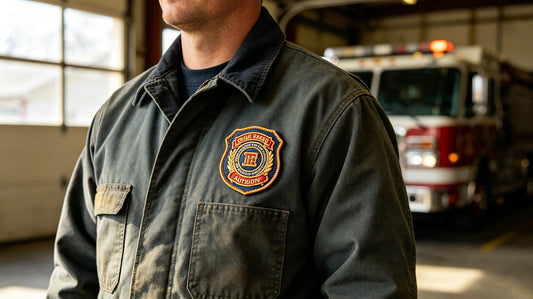
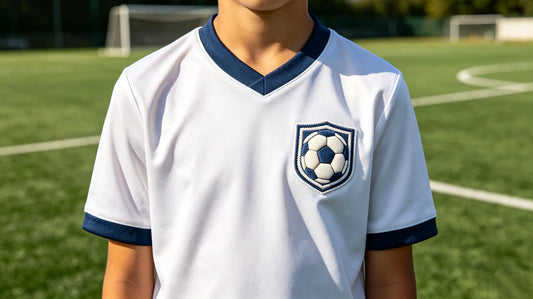
3D Embroidered Patches vs Flat Embroidery | Full Texture, Durability & Visual Difference Guide
All custom embroidered patches fall into two core categories: flat 2D embroidery and raised 3D foam embroidery. Both use the same thread materials and stitching technology, but their final texture, three-dimensional sense, wearing feeling and applicable styles are completely different.
Flat embroidery is minimalist, flat, neat and formal; 3D embroidery is layered, raised, textured and fashionable. Many customers blindly choose 3D embroidery for all designs, resulting in bloated patches, collapsed foam or blurred details. Some choose flat embroidery for fashion designs, losing visual impact.
This dedicated 3D embroidery series guide fully compares flat and 3D embroidery in all dimensions, helping you make accurate choices for uniforms, streetwear, team logos and decorative patches.
Custom 3D embroidered patches provides professional flat and 3D embroidery customization. We recommend flat embroidery for formal logos and 3D raised embroidery for decorative fashion designs.

Part 1: Core Craft Difference
Flat Embroidery Craft
Flat embroidery stitches directly on the patch base fabric without any foam padding. All threads are laid flat in even layers, forming a smooth, thin and uniform surface.
- No raised height
- Single-layer flat coverage
- Ultra-clean edge fitting
- Completely flush with fabric
3D Foam Embroidery Craft
3D embroidery adds EVA high-elastic foam layer under the stitching area. Machines stitch tightly over the foam, cutting and wrapping the foam to form raised stereo shapes.
- Foam padding creates 2–4mm raised height
- Strong shadow layering
- Concave-convex hand feeling
- Thick textured surface
Part 2: Visual & Texture Differences
Flat Embroidery Features
- Visual effect: Clean, smooth, minimalist, uniform
- Style positioning: Formal, business, rigorous, tidy
- Stitch performance: Fine and even stitches
- Overall feeling: Lightweight and low-profile
3D Embroidery Features
- Visual effect: Stereo, layered, shadowed, dimensional
- Style positioning: Fashion, streetwear, retro, bold
- Stitch performance: Thick packed stitches
- Overall feeling: Plump, luxurious and eye-catching

Part 3: Detail Performance Comparison
Flat Embroidery
- Supports tiny text and thin lines
- No detail compression
- Perfect for precise logo outlines
- Suitable for multi-color gradient designs
3D Embroidery
- Cannot support ultra-fine details
- Small text under 3mm will merge
- Dense thin lines will collapse
- Best for bold, large and solid patterns
Part 4: Thickness & Wearing Comfort
Flat Embroidery
- Ultra-thin profile
- Zero foreign body sensation
- Perfect fit on thin fabric, uniforms and close-fit clothes
3D Embroidery
- Noticeable thickness
- Slight raised bump on clothing
- Not suitable for slim formal uniforms
- Better for thick jackets, denim and vests

Part 5: Washing & Durability
Flat Embroidery
- Zero risk of collapse
- Infinite wash resistance
- No shape deformation
- Most stable for long-term uniform use
3D Embroidery
- High-quality foam resists washing
- Avoid strong squeezing and high heat
- Low-quality foam may flatten over time
- Still durable for daily casual wear
Part 6: Price Difference
Flat Embroidery
- Lower cost
- Faster production
- Best for bulk uniform orders
3D Embroidery
- Slightly higher unit price
- More stitch consumption
- Extra foam processing procedure
- Premium upgrade cost

Part 7: Best Scenarios for Flat Embroidery
- Formal corporate and school uniform logos
- Small chest badges and precise identification marks
- Designs with tiny text and thin outlines
- Thin fabric and close-fitting garments
- Long-term high-wash-frequency uniforms
Part 8: Best Scenarios for 3D Embroidery
- Jacket back large decorative patches
- Streetwear, biker and vintage fashion styles
- Mascot patterns, animal logos and bold graphics
- Custom souvenir patches and collectible emblems
- Designs requiring strong visual impact
Part 9: Common Selection Mistakes
- Tiny text logo using 3D embroidery → blurred and unreadable
- Formal uniform using thick 3D embroidery → bloated and unprofessional
- Complex multi-detail design using 3D → messy collapsed stitches
- Casual thin shirt using 3D patches → obvious foreign body feeling
- Large plain pattern using flat embroidery → dull and flat visual effect

Final Summary
Flat embroidery = formal, thin, precise, durable and budget-friendly.
3D embroidery = stereo, textured, fashionable, high-end and eye-catching.
Choose flat for logos and uniforms; choose 3D for fashion decoration and bold patterns.
FAQ
Q1: Is 3D embroidery more durable than flat?
A: Flat embroidery is more stable; premium 3D embroidery is durable for casual use.
Q2: Can 3D patches be washed normally?
A: Yes, cold gentle wash maintains foam shape perfectly.
Q3: Does 3D embroidery look more high-end?
A: Yes, stereo layering greatly improves premium texture.
Q4: Can small logos use 3D embroidery?
A: Not recommended, small details will merge and lose clarity.
Tags:
Previous
Chenille Patches Ultimate Guide | Fluffy Texture, Craft Features, Pros Cons & Best Styling Ideas
Next
3D Embroidered Patches Foam Guide | Foam Thickness, Layer Height, Collapse Prevention & Premium Craft Secrets