Backpack & Bag Patches: Design Ideas, Sizes & Installation Guide
Backpacks, handbags, travel bags and canvas bags are daily necessities for study, work and travel. Plain bags look monotonous after long-term use, while custom patches are a low-cost and flexible way to add personality. Whether you want to cover minor wear, show personal hobbies, display team identity or create a unique style, bag patches are an ideal choice.
Bags bear frequent friction, extrusion and exposure to dust or rain, so patches need excellent durability and adaptability. Many users choose improper crafts or sizes, leading to edge curling, thread shedding or easy peeling. It is essential to match suitable materials, sizes and installation methods according to bag fabric and usage habits.
This complete guide focuses on patches for bags and backpacks. We elaborate on size standards, craft selection, classic placement schemes, popular design styles, installation skills and daily maintenance. Custom 3D embroidered patches offers full customization to turn ordinary bags into eye-catching personal accessories.

Advantages of Using Patches on Bags
- Personalized Styling: Mix and match different patterns and themes to create exclusive looks, standing out from identical public styles.
- Repair & Renewal: Cover small scratches, stains and worn areas, extending the service life of beloved bags.
- Strong Durability: High-quality patches resist daily friction and outdoor exposure, more long-lasting than stickers and printed patterns.
- Flexible Adjustment: Velcro styles support free replacement, allowing you to change decorations according to mood and occasions.
- Wide Compatibility: Fit cotton, canvas, nylon, polyester and most common bag fabrics, suitable for all bag types.
Standard Size Selection
The size should match the bag area to avoid awkward proportions or easy damage caused by oversized or undersized patches.
1. Main Large Patches (Front / Back Main Panel)
- Conventional size: 6cm – 9cm. Enough space for complete logos, complex patterns and long slogans. The core decorative area for backpacks and large travel bags.
- Large oversized patches: 9cm – 12cm. For big outdoor backpacks and duffel bags, suitable for bold designs and exclusive totems.
2. Medium Decorative Patches (Side Panels & Pockets)
- Conventional size: 4.5cm – 6cm. Balanced proportion, ideal for bag sides, pocket surfaces and middle sections of handbags.
3. Mini Accent Patches (Straps & Corners)
- Conventional size: 3cm – 4.5cm. Small and lightweight, used for bag straps, corner edges and zipper accessories for subtle embellishment.
- Reminder: Do not use patches larger than 4cm on narrow straps, which will affect carrying comfort.

Craft Selection by Bag Type & Usage Scenarios
1. Canvas & Fabric Backpacks (Student & Daily Casual Use)
- Flat Embroidery: Top choice. Soft texture, strong friction resistance, various styles and cost-effective. Perfect for daily use and occasional washing.
- 3D Puff Embroidery: Adds three-dimensional sense for fashion styles. Control raised height below 4mm to prevent abrasion during carrying.
- Not recommended: Extra thick hard patches that bulge and rub against the body.
2. Nylon & Outdoor Travel Bags
- PVC Rubber Patches: Fully waterproof, dustproof and wear-resistant. Adapt to outdoor wind, rain and sand. Velcro backing is widely used for free replacement of morale patches.
- High-Density Embroidery: Tight stitches prevent thread loosening under long-term extrusion and friction.
3. Slim Handbags & Crossbody Bags
- Woven Patches: Ultra-thin and flat, no bulging on slim bag surfaces, elegant and delicate. Excellent for small logos and fine text.
- Thin Flat Embroidery: Low profile, keeps the bag's original streamlined shape.
4. Retro Leather Bags & Canvas Tote Bags
- Leather Patches: Match retro texture, embossed craft enhances high-end feeling. Sew-on installation ensures long-term firmness.
Classic Placement & Layout Ideas
Formal & Neat Layout (Team, Brand & Business Use)
- Single Center Placement: One medium or large patch in the middle of the front panel. Concise and recognizable, suitable for team bags, staff bags and brand merchandise.
- Symmetrical Matching: Two identical mini patches on left and right sides of the bag, neat and orderly for group uniform bags.
Creative Personal Layout (Daily Wear & Trend Style)
- Scattered Combination: One large main patch plus multiple small themed patches distributed on sides and pockets. Rich layers, popular among young people.
- Strap Decoration: Arrange a row of mini patches on shoulder straps or handle parts, unique and low-key.
- Back Focus Design: Decorate a distinctive large patch on the bag back, showing personality from behind.
Placement Taboos
- Avoid covering zippers, buckles and folding parts, which will hinder normal use and cause patch wear.
- Do not span multiple splicing seams of the bag, resulting in uneven fitting and edge warping.
- Do not stack too many thick patches on the back contact area, which will affect carrying comfort.

Backing & Installation Methods
1. Sew-On Backing (Most Durable, Universal Choice)
- Suitable for all bag fabrics and crafts. Stitch along the edge, the patch will not fall off even after years of friction and extrusion.
- Tips: Use thick polyester thread; for thick canvas and nylon, choose sturdy hand needles to avoid bending.
2. Velcro Backing (Detachable & Replaceable)
- Ideal for outdoor backpacks and hobby collectors. Sew loop tape on the bag in advance, replace patches at will for different styles.
- Tips: Select thin velcro to reduce overall thickness and avoid friction noise during movement.
3. Iron-On Backing (Convenient DIY)
- Applicable to cotton and canvas bags with low washing frequency. Fast installation without sewing.
- Tips: Turn off iron steam, use medium-low temperature, lay a protective cloth, and cool completely before use. Not for nylon and heat-sensitive fabrics.
4. Self-Adhesive Backing
- Only for static decorative bags that are rarely moved. Poor durability under frequent friction, not recommended for daily carrying bags.
Popular Design Styles for Bag Patches
1. Team & Club Style
Team logos, group names, mascots and numbers. Unified design for group bags to enhance cohesion. Mainly use bold embroidery and standard colors.
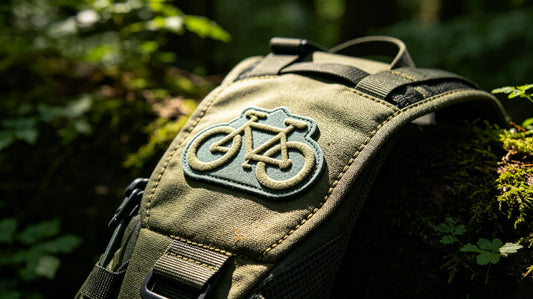
2. Outdoor & Tactical Style
Camouflage tones, animal totems, adventure slogans and irregular shapes. PVC patches with velcro backing are mainstream for outdoor enthusiasts.
3. Retro & Vintage Style
Retro fonts, old patterns and leather textures. Match canvas and vintage bags, full of nostalgic charm.
4. Cartoon & Cute Style
Anime characters, animal patterns and bright color blocks. Popular among students and teenagers, mostly applied on school backpacks.
5. Minimalist & Letter Style
Simple letters, initials and geometric patterns. Low-key and versatile, suitable for commuter bags and business casual bags.

Daily Maintenance & Care Tips
- Cleaning: When washing the bag, gently wipe the patch area or wash by hand. Avoid hard scrubbing to prevent thread loosening and adhesive failure.
- Drying: Air dry naturally, keep away from long-term strong sunlight to prevent color fading and material aging.
- Friction Protection: Avoid long-term squeezing between heavy objects to prevent permanent deformation of 3D and PVC patches.
- Velcro Maintenance: Regularly clean lint on the velcro surface to keep stable adhesion.
- Edge Care: If the edge of embroidered patches frays slightly, trim loose threads gently; do not pull forcibly.
Common Customization Mistakes to Avoid
- Using oversized patches on small handbags, destroying the overall proportion and causing bulging.
- Choosing iron-on patches for frequently washed canvas bags, leading to easy peeling.
- Pasting patches on bag folding and zipper positions, resulting in rapid wear and damage.
- Selecting hard thick PVC for slim crossbody bags, affecting appearance and use experience.
- Designing overly tiny text on main large patches, leading to poor recognition.

Final Summary
Bag patches focus on durability, proper size and fabric matching.
Daily canvas backpacks prefer embroidered patches with sew-on backing; outdoor bags choose waterproof PVC and velcro styles; slim handbags are matched with ultra-thin woven patches.
Reasonable placement and collocation can not only beautify the bag, but also extend its service life. Whether for student schoolbags, outdoor travel bags or daily handbags, properly customized patches can inject unique charm into ordinary accessories.
Frequently Asked Questions
Q1: What size is suitable for the front main area of a regular backpack?
A: 6cm to 9cm is the most versatile size.
Q2: Which craft is best for outdoor waterproof bag patches?
A: PVC rubber patches with excellent waterproof and wear-resistant performance.
Q3: What is the most durable installation way for bag patches?
A: Sew-on backing is the first choice for long-term use.
Q4: Can iron-on patches be used on nylon backpacks?
A: Not recommended. High temperature may damage nylon fabric.
Tags:
Previous
Custom Event Patches: Design, Crafts & Bulk Order Guide for Gatherings
Next
Uniform Patches: Professional Design, Crafts & Full Usage Guide