Custom 3D Embroidered Patches for American BBQ Restaurants & Backyard Grill Branding
Core Advantages of 3D Embroidered Patches for BBQ Food Businesses
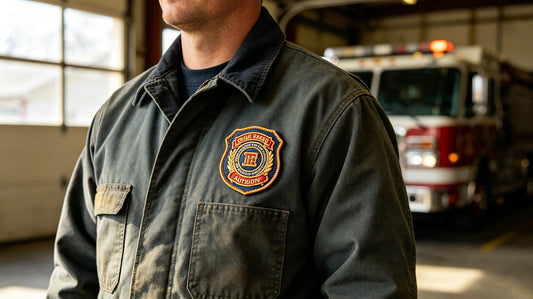
Barbecue culture holds a special place within American local food communities. Neighborhood smokehouses, family‑run BBQ joints and casual grill restaurants build loyalty through hearty food, laid‑back hospitality and recognizable local brand personality. Staff aprons and work uniforms carry smoke grease, sauce splatters and constant washing, making cheap printed logos a poor choice for this industry. Heat transfers peel and fade quickly after repeated contact with grease and high‑temperature laundering. Custom 3D embroidered patches deliver thick raised stitching that stands up to real‑world BBQ restaurant conditions, while matching the rugged, nostalgic vibe of American smokehouse culture.
Working inside a busy BBQ kitchen creates harsh conditions for uniform branding. Staff clothing faces smoke residue, sticky sauce splashes, grease, charcoal dust and frequent heavy‑duty washing cycles. Flat printed graphics degrade rapidly, leaving aprons looking worn and unprofessional. Premium 3D embroidered patches constructed from colorfast polyester thread resist fading, fraying and loose threads. Even with daily shifts serving smoked brisket, ribs and pulled‑pork plates, your brand logo stays crisp and distinct for months.
Food service hygiene is critical for BBQ kitchens. Full merrow wrapped edges seal all thread ends, minimizing gaps where grease particles, dry rub spices and food debris can get trapped. Unlike rigid plastic name tags that can scratch metal grill surfaces or catch on cooking equipment, foam‑based 3D embroidered patches remain soft and flexible. They sit comfortably on cotton aprons, short‑sleeve work shirts and lightweight jackets, and will not snag while staff handle grill grates, sauce bottles and serving trays.
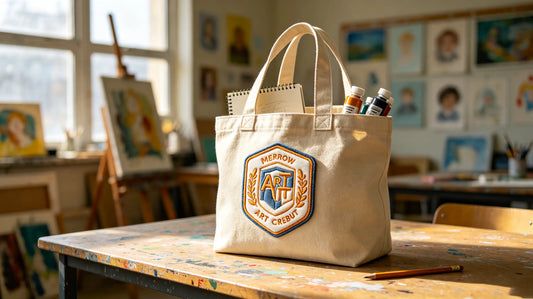
Beyond employee uniforms, BBQ‑themed 3D embroidered patches fit naturally into American backyard grill culture retail merchandise. Local smokehouses sell branded trucker hats, canvas aprons, cooler bags, tote bags and gift items for backyard grill enthusiasts. Small‑batch custom patch orders make it easy for family‑owned BBQ restaurants to launch limited‑run seasonal merch, holiday gift sets and customer loyalty souvenirs without huge inventory risk.

Design Guidelines for BBQ‑Style 3D Embroidered Patches
American BBQ branding leans toward bold, readable, nostalgic styling. Choose sturdy sans‑serif or classic western‑inspired typefaces that stay legible even from across a busy dining room. Avoid ultra‑thin script lettering, which loses detail when converted into foam‑supported 3D embroidery. Popular motif ideas include smoke stacks, grill silhouettes, meat cuts, flame accents, Texas‑style star elements and vintage barbecue logo marks. When original artwork contains extremely fine line details, collaborate with your embroidery supplier to simplify small features, while preserving the recognizable vintage character.
Select patch dimensions based on real‑world placement. For restaurant staff aprons and work‑shirt chest placement, 65 mm‑85 mm delivers excellent visibility without feeling bulky. Trucker hat front panels work best with 50 mm‑70 mm patches. For cooler bags and retail tote‑bag merchandise, 55 mm‑75 mm is ideal. Avoid primary logo patches smaller than 38 mm; below this size, the signature raised 3D foam effect diminishes and grill‑themed graphic elements lose definition.
Color palettes draw inspiration from classic American smokehouse aesthetics: deep burnt red, charcoal black, warm tobacco brown, mustard yellow and off‑white cream. High‑contrast thread combinations pop against dark denim, black cotton and canvas fabrics widely used for BBQ workwear and merch. Rest thread selection between four‑six colors to control manufacturing cost and turnaround lead‑time. Shield‑shaped badges, rounded rectangles and irregular vintage‑cut outlines are extremely popular for BBQ branding; rounded corners outperform sharp pointed corners under heavy kitchen use and repeated laundering.

Material & Backing Selection
For BBQ restaurant usage, select high‑density polyester embroidery thread paired with medium‑density 3D foam. Polyester thread holds its color through grease‑stain wash cycles; medium‑density foam creates satisfying raised texture, without becoming stiff or bulky on lightweight cotton aprons. Extra‑thick foam produces dramatic height but can trap food particles and is less practical for kitchen staff uniforms.
✅ Sew‑on backing: Top choice for full‑time kitchen and front‑of‑house staff aprons, holds firm through countless heavy‑load laundry cycles.
✅ Iron‑on backing: Best reserved for retail merchandise and gift items, not suitable for uniforms exposed to grease and frequent washing.
✅ Hook and loop backing: Practical for seasonal part‑time servers, pop‑up BBQ festivals and food truck events for fast garment swapping.

Production Standard & Quality Control
Merrow overlocked edges are non‑negotiable for BBQ restaurant patches, preventing fraying and blocking debris from lodging inside stitching. Avoid raw hot‑cut edges, which break down rapidly with repeated washing. Target foam height within 1.6 mm‑2.4 mm; this range delivers clear 3D depth while remaining practical for food‑service workwear.
Always inspect physical pre‑production samples before approving mass orders. Verify foam height, thread‑color matching against brand standards, merrow edge tightness and overall stitch density. Confirm text and grill‑related icons remain clearly recognizable after embroidery conversion. Address all design defects in sample phase.
Upon receiving bulk patch shipments, perform spot‑check quality control. Look for consistent stitch tension, uniform merrow perimeter stitching, zero exposed foam and no loose hanging threads. Discard any units showing graphic distortion or construction flaws, as uniform appearance directly shapes how diners perceive your local BBQ business.

Installation, Washing & Maintenance Guide
For sew‑on patches, stitch fully around the outer perimeter for maximum durability on aprons and work shirts. When working with iron‑on backing, set heat press to 150℃ and apply steady pressure for 12‑15 seconds; always test on a scrap fabric sample first. Remember iron‑on adhesive breaks down quickly under greasy kitchen washing conditions.
Wash embroidered work garments inside‑out on cold‑water gentle cycle. Skip harsh bleach, which damages thread pigment and degrades internal foam structure. Do not scrub directly across raised embroidered surfaces. Use low‑heat tumble drying or air‑dry flat. High dryer heat permanently compresses the 3D foam layer. When storing aprons and retail merchandise, refrain from stacking heavy objects on embroidered surfaces to preserve three‑dimensional relief.

Common Defects & Troubleshooting
Flattened foam after washing is usually caused by low‑grade thin foam or high‑temperature drying; switch to medium‑density foam and stick to cold‑water wash cycles. Fraying patch edges is caused by hot‑cut edges instead of merrow overlocking; clearly specify merrow‑edge requirement on your order form. Snags and loose threads stem from insufficient stitch density, confirm high‑density stitching requirements during sample review. Color mismatch between sample and bulk production can be avoided by requesting physical thread swatch confirmation before manufacturing starts.
FAQ
Will sauce and grease ruin 3D embroidered patches for BBQ aprons?
Tightly stitched patches with merrow edges resist grease buildup. Routine cold‑water washing keeps them clean, though heavily soaked items require pre‑treatment.
Can these patches fit on classic American trucker hats?
Yes, 50‑70 mm patches work perfectly for trucker hat front panels, one of the most popular retail merch choices for US BBQ joints.
Can I get small‑batch patches for a family‑owned local smokehouse?
Most patch manufacturers support small custom runs, ideal for independent BBQ restaurants and food‑truck operators.
Can complex vintage BBQ logo artwork be turned into 3D patches?
Vintage artwork translates well, but tiny fine decorative details need simplification to work with foam 3D embroidery.
What backing works best for food‑truck festival events?
Hook‑and‑loop backing is convenient for pop‑up festivals, allowing fast transfer of patches between different staff garments.
Tags:
Previous
Custom 3D Embroidered Patches for Landscaping Companies & Outdoor Yard Work Branding
Next
Custom 3D Embroidered Patches for US Holiday Gift Shops & Seasonal Retail Branding