Custom 3D Embroidered Patches for Landscaping Companies & Outdoor Yard Work Branding
Core Advantages of 3D Embroidered Patches for Landscaping Businesses
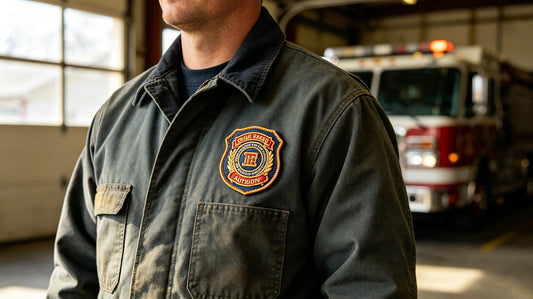
Landscaping and yard service businesses rely on visibility, credibility and a strong local presence. When your team arrives at a residential property, commercial site or neighborhood community, the uniform becomes an immediate representation of your brand. Ordinary printed logos on work shirts fade quickly under sun, dirt, grass stains and repeated washing. Flat embroidery can look generic and less memorable from a distance. Custom 3D embroidered patches deliver raised texture, durable stitching and bold brand recognition that holds up outdoors and helps your company look established and professional.
Outdoor work environments place heavy demands on fabric branding. Landscaper uniforms are exposed to dirt, mud, grass clippings, mulch dust, sun, rain and frequent cleaning. Cheap heat transfers peel, crack and fade, making uniforms look worn and unprofessional. High‑quality 3D embroidered patches made with colorfast polyester thread resist fading, snagging and loose threads. They maintain a sharp, clean appearance even through daily yard work, regular laundering and long seasons of outdoor service.
Hygiene and practicality matter for outdoor service teams. Full merrow wrapped edges seal thread ends and reduce gaps where dirt, grass clippings and dust might collect. This makes routine cleaning faster and helps uniforms stay presentable. Unlike hard plastic badges that can scratch equipment or catch on branches, foam‑based 3D embroidered patches remain soft and flexible. They move naturally with landscapers during mowing, trimming, lifting and walking, without causing discomfort or catching on tools.
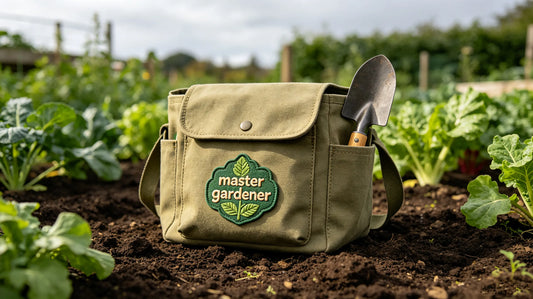
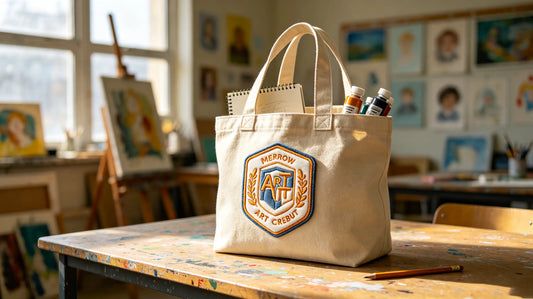
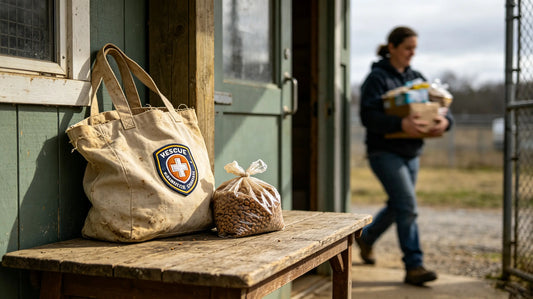
Beyond employee uniforms, landscaping‑themed 3D embroidered patches create versatile branding opportunities. They can be applied to work jackets, hats, beanies, safety vests, tool bags, cooler bags, vehicle seat covers and customer appreciation gifts. Small‑batch custom orders allow landscaping companies to test new designs, reward long‑term employees and create branded items for local community events without overstocking large quantities.

Design Guidelines for Landscaping 3D Embroidered Patches
When designing patches for landscaping companies, choose bold, legible typography that remains readable from a distance. Strong sans‑serif fonts work best for outdoor visibility. Avoid overly thin letters and complicated script fonts that lose definition when converted to embroidery. Landscaping branding often benefits from earthy colours, leaf motifs, grass textures, tree silhouettes and clean iconography that communicates nature, growth and reliability. If your logo includes very fine details, work with your supplier to simplify them while preserving brand recognition.
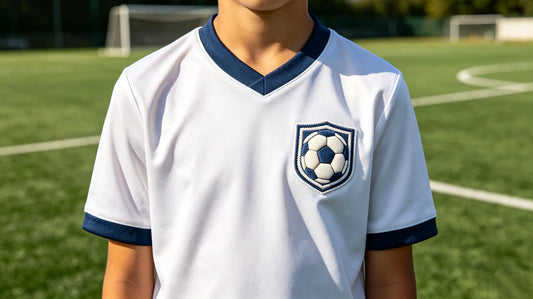
Size patches according to placement and purpose. For work shirts, jackets and safety vests, a chest patch between 70 mm‑90 mm offers strong visibility. For sleeves and hat fronts, 50 mm‑70 mm works well. For tool bags and cooler bags, 60 mm‑80 mm is often ideal. Avoid making primary logo patches too small; below 40 mm, the three‑dimensional foam effect becomes less noticeable, and outdoor‑themed graphic elements may lose definition.
Colour palettes for landscaping patches should reflect nature and professionalism. Popular choices include forest green, earthy brown, warm beige, sunflower yellow, burnt orange and classic navy. These colours work well against dark work shirts, hats and outdoor gear. Limit thread colours to four‑six to keep production efficient and cost‑effective. For shapes, consider shield badges, rounded rectangles, hexagonal frames and nature‑inspired outlines. Rounded edges generally wear better on workwear and are less likely to catch on branches or equipment.

Material & Backing Selection
For landscaping applications, high‑density polyester embroidery thread paired with medium‑density 3D foam is recommended. Polyester thread resists dirt, sun fading and repeated washing, while medium‑density foam creates visible raised texture without feeling stiff. Extra‑thick foam may look bold, but it can be bulkier on lightweight work shirts and more likely to catch during outdoor activity.
✅ Sew‑on backing: Best for full‑time landscaper uniforms and frequently washed workwear. It remains securely attached through heavy use and regular laundering.
✅ Iron‑on backing: Suitable for seasonal merchandise, customer gifts and less frequently washed items. It is not recommended for uniforms that require frequent washing.
✅ Hook and loop backing: Useful for seasonal workers, part‑time teams and safety vests where patches need to be swapped or removed.

Production Standard & Quality Control
Merrow overlocked edges are essential for landscaping patches. They help prevent fraying, reduce loose threads and improve durability under outdoor conditions. Raw hot‑cut edges wear down quickly in dusty, muddy environments. Target foam height between 1.5 mm‑2.5 mm. This range provides noticeable 3D texture while remaining practical for workwear.
Always review a physical pre‑production sample before approving bulk orders. Check foam height, colour accuracy, edge firmness and stitch quality. Make sure logo text, tree icons, grass motifs and brand marks remain legible after embroidery conversion. Resolve any design or construction issues before mass production.
During bulk order inspection, check stitch tension, edge consistency, exposed foam and loose threads. Reject any patches with uneven merrow edges, visible foam under threads or distorted logo outlines. Consistent quality is important because landscaping teams often represent your brand in residential yards and commercial properties.

Installation, Washing & Maintenance Guide
For sew‑on patches, stitch around the entire outer edge to ensure maximum durability on landscaper uniforms and work jackets. If using iron‑on backing, follow manufacturer instructions carefully; 150℃ for 12‑15 seconds is typical, but always test on a small fabric area first. Remember iron‑on patches are less suitable for items that go through heavy daily washing.
Wash embroidered garments inside‑out using a cold‑water gentle cycle. Avoid harsh bleach products, which can damage thread colour and foam structure. Do not scrub aggressively over the embroidered surface. Tumble dry on low heat or air dry whenever possible. High heat can compress the 3D foam and reduce the raised effect. When storing workwear and gear, avoid stacking heavy items directly on embroidered surfaces to help preserve three‑dimensional shape.
Common Defects & Troubleshooting
Flattened foam often results from using foam that is too thin or from high‑temperature washing and drying. To fix this, select medium‑density foam and follow cold‑water washing guidelines. Frayed edges usually occur when hot‑cut edges are used instead of merrow overlocking. Clearly specify merrow edges in your order requirements. Snagging and loose threads are typically caused by low stitch density, so confirm high stitch density at the sample stage. Colour differences between sample and bulk orders should be addressed by requesting thread swatch approval before production.

FAQ
Are 3D embroidered patches durable enough for landscaping work?
Yes, high‑quality polyester thread and merrow edges perform very well outdoors, though proper backing and regular washing are important.
Can patches be used on work jackets, hats and safety vests?
Yes, they work well on jackets, hats, beanies, safety vests, tool bags and cooler bags. Choose backing type based on how often the item will be washed.
What size works best for landscaping uniforms?
For most work shirts, jackets and safety vests, 70 mm‑90 mm offers good visibility. For hats and sleeves, 50 mm‑70 mm is usually a better fit.
Can I order small batches for a new landscaping company?
Yes, many patch manufacturers support small custom batches, making them suitable for new companies, seasonal teams and local community events.
What if my logo includes detailed tree or grass graphics?
Detailed graphics can be adapted, but very fine elements may need simplification. Your supplier should balance recognizability with long‑term durability.
Tags:
Previous
Custom 3D Embroidered Patches for Bakeries & Café Bakery Branding
Next
Custom 3D Embroidered Patches for American BBQ Restaurants & Backyard Grill Branding