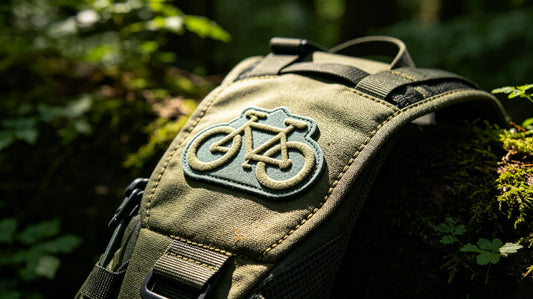
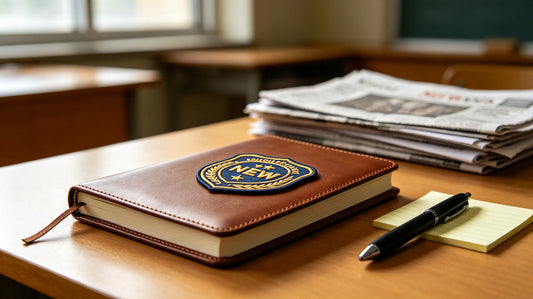
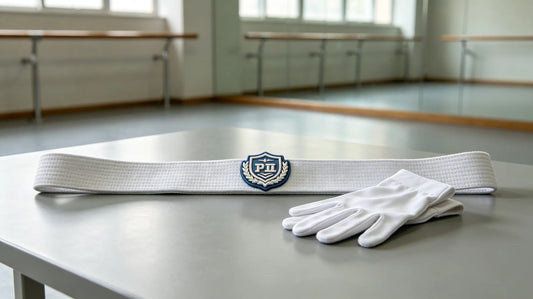
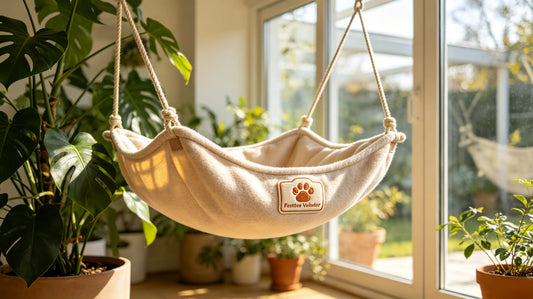
Custom 3D Embroidered Patches for Bakeries & Café Bakery Branding
Core Advantages of 3D Embroidered Patches for Bakery Businesses
Bakeries and café bakeries thrive on warmth, tradition and handcrafted quality. Customers connect with the smell of fresh bread, the look of golden pastries and the friendly atmosphere of a neighborhood bakery. These same qualities should also appear in your branding. Flat printed logos on aprons fade quickly under flour, steam and frequent washing, while standard embroidery can feel flat and unremarkable. Custom 3D embroidered patches bring raised, tactile texture that fits perfectly with the handcrafted feel of a bakery, making them ideal for staff uniforms, aprons, tote bags and in‑shop merchandise.
Bakery environments are tough on fabric branding. Staff uniforms are exposed to flour, dough, butter, steam, egg washes and repeated cleaning. Cheap prints and heat transfers crack, peel and fade quickly, making uniforms look tired and unprofessional. High‑quality 3D embroidered patches made with colorfast polyester thread resist fading, snagging and loose threads. They hold their shape and colour through daily use, so your brand stays consistent even during early morning baking shifts and busy weekend service.
Hygiene is essential in food preparation areas. Full merrow wrapped edges seal thread ends and reduce gaps where flour, crumbs and dough residue might collect. This makes routine cleaning faster and helps uniforms stay fresh. Unlike hard plastic badges that can scratch baking trays or dough bowls, foam‑based 3D embroidered patches remain soft and flexible. They sit smoothly against aprons, shirts and work coats without irritating staff during long hours of mixing, shaping and baking.
Beyond employee uniforms, bakery‑themed 3D embroidered patches create natural merchandising opportunities. They can be applied to canvas tote bags, linen aprons, hats, pencil cases, gift boxes, coffee cup sleeves and limited‑edition holiday items. Small‑batch custom orders allow neighborhood bakeries to test seasonal designs, celebrate new openings and create memorable customer gifts without overstocking large volumes.

Design Guidelines for Bakery 3D Embroidered Patches
When designing patches for bakeries and café bakeries, choose warm, legible typography that feels inviting and handcrafted. Clean sans‑serif fonts work well for modern clarity, while gently rounded serifs can add a traditional bakery feel. Avoid overly thin letters and delicate script fonts that lose definition when converted to embroidery. If your logo includes hand‑lettered details, work with your supplier to preserve the warm, artisanal character while ensuring the design embroiders cleanly.
Size patches according to their placement. For aprons and baker uniforms, a chest patch between 60 mm‑80 mm offers good visibility without feeling bulky. For sleeve logos and smaller uniform details, 45 mm‑65 mm works well. For retail merchandise such as tote bags and hats, 40 mm‑60 mm is often ideal. Avoid making primary logo patches too small; below 35 mm, the three‑dimensional foam effect becomes less visible, and small pastry or bread motifs may lose detail.
Colour palettes for bakery patches should feel warm, fresh and comforting. Popular choices include butter yellow, warm cream, toasted brown, soft terracotta, sage green and deep chocolate. These colours naturally evoke bread, pastries, coffee and cozy café atmospheres. Limit thread colours to four‑six to balance visual richness with production cost. For shapes, rounded corners are highly recommended. They feel softer, wear better on aprons and uniforms, and align well with the warm, approachable character of a neighborhood bakery. Popular shapes include rounded rectangles, soft badges, bread loaf outlines and pastry‑inspired frames.

Material & Backing Selection
For bakery applications, high‑density polyester embroidery thread paired with medium‑density 3D foam is recommended. Polyester thread resists flour, steam and repeated washing, while medium‑density foam creates visible raised texture without feeling stiff. Extra‑thick foam may look bold, but it can be bulkier on lightweight aprons and more likely to catch on baking trays.
✅ Sew‑on backing: Best for full‑time bakery staff uniforms and frequently washed aprons. It stays securely attached through countless laundry cycles.
✅ Iron‑on backing: Suitable for retail merchandise and seasonal customer gifts. It is not recommended for uniforms that require frequent washing.
✅ Hook and loop backing: Useful for part‑time staff, seasonal teams and pop‑up bakery events where uniforms are shared or changed regularly.

Production Standard & Quality Control
Merrow overlocked edges are essential for bakery patches. They help reduce loose threads, prevent fraying and make cleaning easier. Raw hot‑cut edges wear down quickly under frequent washing and bakery use. Target foam height between 1.5 mm‑2.3 mm. This range provides noticeable 3D texture without unnecessary bulk.
Always review a physical pre‑production sample before approving bulk orders. Check foam height, colour accuracy, edge firmness and stitch quality. Make sure logo text, bread motifs, pastry illustrations and brand marks remain legible after embroidery conversion. Resolve any design or construction issues before mass production.
During bulk order inspection, check stitch tension, edge consistency, exposed foam and loose threads. Reject any patches with uneven merrow edges, visible foam under threads or distorted logo outlines. Consistent quality is especially important in food service businesses, where clean uniforms directly shape customer trust.

Installation, Washing & Maintenance Guide
For sew‑on patches, stitch around the entire outer edge to ensure maximum durability on bakery uniforms and aprons. If using iron‑on backing, follow manufacturer instructions carefully; 150℃ for 12‑15 seconds is typical, but always test on a small fabric area first. Remember iron‑on patches are less suitable for items that go through heavy daily washing.
Wash embroidered garments inside‑out using a cold‑water gentle cycle. Avoid harsh bleach products, which can damage thread colour and foam structure. Do not scrub aggressively over the embroidered surface. Tumble dry on low heat or air dry whenever possible. High heat can compress the 3D foam and reduce the raised effect. When storing uniforms and merchandise, avoid stacking heavy items directly on embroidered surfaces to help preserve three‑dimensional shape.
Common Defects & Troubleshooting
Flattened foam often results from using foam that is too thin or from high‑temperature washing and drying. To fix this, select medium‑density foam and follow cold‑water washing guidelines. Frayed edges usually occur when hot‑cut edges are used instead of merrow overlocking. Clearly specify merrow edges in your order requirements. Snagging and loose threads are typically caused by low stitch density, so confirm high stitch density at the sample stage. Colour differences between sample and bulk orders should be addressed by requesting thread swatch approval before production.

FAQ
Are 3D embroidered patches easy to clean in a bakery environment?
Yes, patches with merrow edges and tight stitching are easier to keep clean than open‑embroidered designs, though regular brushing and proper washing are still recommended.
Can patches be used on bakery tote bags and customer merchandise?
Yes, they work very well on tote bags, aprons, hats, gift boxes and coffee cup sleeves. Choose backing type based on how often the item will be washed.
What if my logo includes detailed bread or pastry illustrations?
Detailed illustrations can be adapted, but very fine crumbs, lines and tiny elements may need simplification. Your supplier should balance recognizability with long‑term durability.
Can I order small batches for a new neighborhood bakery?
Yes, many patch manufacturers support small custom batches, making them suitable for new bakeries, seasonal promotions and limited‑edition customer gifts.
What size works best for bakery apron patches?
Most bakery apron patches work well between 60 mm‑80 mm. For tote bags and hats, 40 mm‑60 mm is usually a more natural fit.
Tags:
Previous
Custom 3D Embroidered Patches for Fitness Studios & Gym Branding
Next
Custom 3D Embroidered Patches for Landscaping Companies & Outdoor Yard Work Branding