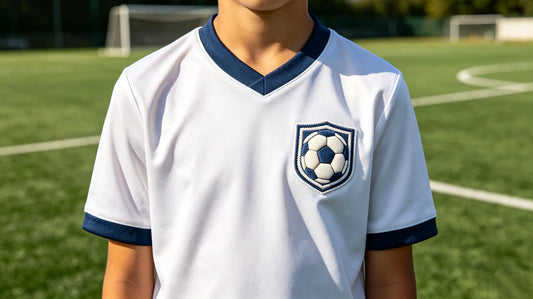
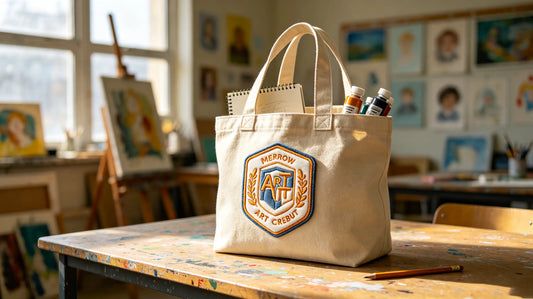
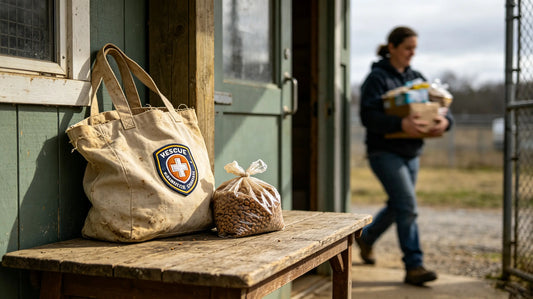
Custom 3D Embroidered Patches for Independent Bookstores & Local Bookshop Brand Merchandise
Core Advantages of 3D Embroidered Patches for Independent Bookstores
Independent bookstores hold a vital place within small‑town and neighborhood communities across the United States. These local businesses host author readings, monthly book club meetings, storytime events for kids, seasonal book fairs and nonprofit literacy drives. Branding for independent bookstores needs warm, approachable character that matches cozy reading atmospheres, while working for staff uniforms and in‑shop retail merchandise.
Many local bookstores start with cheap heat‑transfer printed logos for employee hoodies and aprons. These low‑cost prints quickly degrade from repeated washing, dust inside the shop, and constant everyday wear. Printed designs crack and peel, making team apparel look worn‑out and unprofessional. Flat embroidery works, but lacks eye‑catching texture that stands out for retail merchandise sold to book lovers.
Custom 3D embroidered patches deliver long‑wearing performance alongside tactile visual appeal. High‑quality polyester thread resists fading, dust and repeated home washing cycles. The raised foam embroidery creates satisfying tactile texture that book‑shop customers love to touch, making patches one of the most popular impulse‑buy items beside bookmarks, stickers and literary themed gifts.
Safety and comfort matter for bookstore daily operations. Metal pin‑back badges can scratch book covers, dust jackets and paperback spines when staff handle inventory. Soft foam‑backed 3D embroidered patches eliminate sharp hardware. Fully wrapped merrow edges lock threads securely, preventing loose threads that could catch on book pages. Staff can restock shelves, wrap books and interact with guests without worrying about damaging store inventory.
Beyond employee uniforms, patches open multiple revenue and community‑building opportunities for American independent bookstores. Most local bookstores rely on mixed revenue streams: book sales, event ticket fees, gift merchandise and occasional fundraising for local literacy nonprofits. Custom 3D embroidered patches serve as book‑club completion gifts, story‑time participant takeaways, volunteer appreciation tokens and shelf‑ready retail products. Store owners can sew them onto canvas tote bags, knit beanies, denim jackets and backpacks sold inside the shop.
Small‑batch ordering is extremely valuable for small bookstore operators. Shop owners can create limited‑run designs tied to author visits, holiday book markets, summer reading challenges and local literary festivals, without purchasing thousands of pre‑made finished goods. If a patch design sells well, they can place re‑orders; if demand is low, they avoid being stuck with large unsold inventory. This low‑risk production model fits the budget constraints of many family‑owned independent book businesses.

Design Guidelines for Independent Bookstore 3D Embroidered Patches
Bookstore patch designs should balance literary charm with embroidery practicality. When adding store name or book‑club text, select bold, readable sans‑serif or gentle classic serif fonts. Ultra‑thin delicate script fonts tend to lose definition when stitched over 3D foam layers.
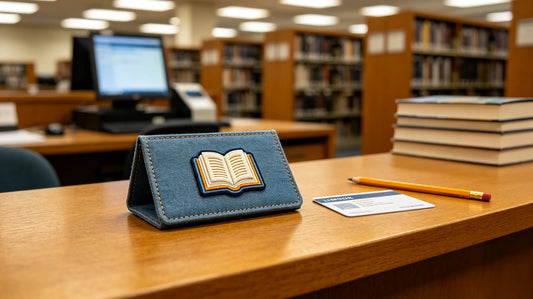
Popular relevant motifs include open book silhouettes, reading glasses, coffee mug icons, book mark graphics, quill pens, small oak leaf accents and minimalist stack‑of‑books illustrations. These themes resonate with book‑shop audiences. Complex hyper‑detailed book cover artwork needs simplification for embroidery production. Tiny fine print and micro illustrations look sharp on digital mockups but fail to translate into durable stitched patches.
Choose patch sizes matched to real‑world usage scenarios. For staff apron and hoodie chest placement, 60mm‑80mm delivers clear brand visibility without excessive bulk. For retail merchandise, beanie accents and book‑club swag, 42mm‑55mm works perfectly. Avoid patches smaller than 34mm for primary branding, as the distinct raised 3D foam effect will become barely noticeable.
Color palettes lean into warm bookstore aesthetics. Recommended thread colors include warm burgundy, deep forest green, soft cream, muted navy, burnt brown and dusty mustard. These tones fit cozy bookstore interior styling and display nicely against both light and dark colored apparel. Limit each patch design to four‑six thread colors to keep sampling turnaround fast and production costs reasonable.
Shape options include soft rounded rectangles, gentle shield contours, book‑shaped custom cuts and organic rounded outlines. Rounded edges reduce snags against book pages, fabric tote bags and knit headwear. Sharp jagged corners are best avoided for bookstore use.

Material & Backing Selection
For independent bookstore applications, pair colorfast polyester embroidery thread with medium‑density 3D foam. Polyester thread holds color through countless washes and exposure to indoor shop dust. Medium‑density foam creates prominent raised 3D embroidered texture while keeping patches soft and flexible for aprons, tote bags and knit goods. Overly thick rigid foam should be avoided; stiff patches catch easily on book spines and knit fabric.
✅ Sew‑on backing: Best choice for full‑time staff aprons, employee hoodies and high‑turnover retail tote‑bag merchandise. Offers maximum durability for repeated washing and daily handling.
✅ Iron‑on backing: Perfect for limited‑edition event swag, book‑club take‑home gifts and seasonal pop‑up merchandise. Not recommended for staff uniforms that go through frequent laundering, adhesive will degrade over time.
✅ Hook and loop backing: Great for seasonal part‑time staff, summer reading event volunteers, enables quick swapping of patches between different store garments.

Production Standard & Quality Control
Merrow overlocked edges are mandatory for bookstore patches. Hot‑cut raw edges fray rapidly with daily handling and washing. Merrow wrapping seals all thread edges for long‑term use. Maintain foam height between 1.4mm‑2.1mm, delivering obvious three‑dimensional relief without making patches stiff.
Always approve physical pre‑production samples before bulk order fulfillment. Bookstores often have hard deadlines ahead of author events, summer reading kick‑offs and holiday shopping seasons. Inspect samples for consistent foam height, precise thread color matching, tight uniform merrow borders and crisp readable text and icons. Verify literary‑themed graphics stay recognizable after embroidery conversion.
Upon bulk order delivery, complete quality inspection. Check stitch consistency, even merrow perimeter stitching, zero exposed foam and absence of loose threads. Reject units with distorted graphics or uneven borders. These small visual details shape how customers perceive your local bookstore brand.

Installation, Washing & Maintenance Guide
For sew‑on patches, stitch fully along the outer perimeter for maximum durability, critical for aprons and retail tote‑bags receiving constant use. When applying iron‑on patches, set heat press to 150℃, apply steady pressure for 12‑15 seconds, always test on scrap fabric sample first. Iron‑on adhesive will weaken with repeated washing.
Wash embroidered bookstore apparel inside‑out using cold gentle cycle. Skip bleach products, bleach fades colored threads and damages inner foam structure. Do not scrub hard directly over embroidered surfaces. Tumble dry low heat or air‑dry. High heat compresses 3D foam and destroys raised texture. When storing retail patch merchandise, do not stack heavy objects directly on top of embroidered surfaces to preserve three‑dimensional shape.
Common Defects & Troubleshooting
Foam flattening results from low‑density foam material or high‑heat drying; fix by selecting medium‑density foam and follow cold‑wash low‑heat drying instructions. Fraying edges originate from hot‑cut edges instead of merrow overlock; clearly specify merrow wrapped edges for every bookstore‑focused order. Snags and loose threads stem from insufficient stitch density; confirm stitch‑density standards during sample approval phase. Color discrepancies between sample and bulk production can be prevented by reviewing physical thread swatches prior to manufacturing.

FAQ
Are 3D embroidered patches suitable to sell inside independent bookstores?
Yes, textured 3D patches are popular impulse‑buy literary merchandise alongside bookmarks, stickers and journals.
Can patches be used as rewards for summer reading challenge participants? Absolutely, custom literary‑themed patches work as affordable collectible rewards for kids and adult reading programs hosted by local bookshops.
Which backing works best for bookstore daily‑use staff aprons?
Sew‑on backing delivers the longest service life for uniforms subject to frequent washing and daily in‑store handling.
Can small‑batch orders support author event limited‑edition merchandise?
Yes, small‑batch production enables independent bookstores to release special event patches without large inventory risk.
Can detailed book‑cover artwork be converted into 3D embroidered patches?
Yes, overly tiny fine details get simplified for embroidery durability while keeping core recognizable artistic elements.
Tags:
Previous
Custom 3D Embroidered Patches for Community Art Centers & Makerspace Branding
Next
Custom 3D Embroidered Patches for Pet Grooming Salons & Pet‑Care Small Business Branding