Custom 3D Raised Embroidery Patches for Military, Veteran & Tactical Groups | Tactical Apparel Branding Guide
Veteran organisations, civilian tactical teams and shooting sports groups spend extensive time outdoors on training grounds, shooting ranges and field events. Many teams add identifying insignia to uniforms and gear, yet most decoration options cannot sustain continuous field use. Heat transfer prints peel after repeated abrasion against backpacks and gear straps; conventional flat embroidery appears plain on muted tactical fabrics; hard plastic patches catch on webbing and straps, risking snags during movement.
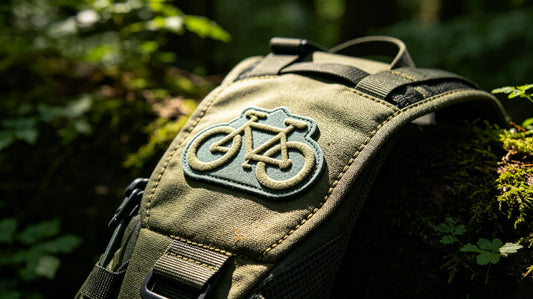
3D foam raised embroidery offers a reliable insignia solution for tactical and veteran communities. High-tensile matte polyester threads fully encase closed-cell foam to form raised graphics, with continuous perimeter stitching sealing foam away from dust, moisture and dirt. The finished patch remains flexible, conforming to stretch performance fabric, ripstop tactical jackets and modular gear bags without sharp edges.
For veteran groups and tactical teams, branded gear strengthens group cohesion and enables easy identification during group activities. Low-quality insignia fades, frays or loses shape rapidly, reflecting poorly on team reputation. This guide addresses the practical requirements of field and range environments, outlines the advantages of 3D embroidered patches for tactical users, provides graphic design guidance for crests, unit emblems and veteran motifs, backing selection, fabric compatibility and critical material standards for outdoor tactical use.

Part 1: Why Veteran & Tactical Communities Choose 3D Raised Embroidery Patches
1.1 Sealed Edge Structure Blocks Dust & Moisture
Continuous perimeter wrapping stitching prevents dirt, sand and moisture from penetrating the foam core. Compared to open embroidery, sealed edges reduce staining and extend service life during field training and outdoor activities.
1.2 Matte Thread Options Reduce Unwanted Glare
Tactical environments demand minimised reflection. Matte polyester thread options avoid bright highlights under sunlight, making 3D embroidered patches suitable for range and field wear without creating obvious reflective spots.
1.3 Abrasion Resistance Survives Constant Field Use
Tactical uniforms and gear endure persistent friction against backpack straps, range equipment and terrain. Heavy-duty polyester threads retain graphic clarity after long-term wear and repeated washing.
1.4 Flexible Construction Avoids Snagging on Webbing
Unlike rigid plastic patches, soft foam 3D embroidery flexes naturally, lowering the risk of catching on molle webbing, harnesses and equipment during movement.
1.5 Wide Customisation for Veteran & Tactical Symbols
Designs can include unit crests, veteran emblems, national symbols, skull motifs, tactical slogans and range team logos. Custom irregular silhouettes deliver unique insignia that stand out from generic rectangular markings.
Part 2: Core Design Guidelines for Tactical 3D Embroidery Patches
2.1 Graphic Optimisation for Foam Embroidery Production
Ultra-thin fine lines within detailed crests and emblems require adjustment during digitisation to prevent loose stitching.
- Minimum uppercase letter height: 6mm for standard 2mm foam; 8mm for high-relief 3mm foam embroidery.
- Delicate outlines on crests, scrollwork and lettering should be moderately thickened to guarantee stable thread coverage and avoid foam exposure.
2.2 Standard Sizing for Tactical Apparel & Gear
- Small patches for caps, neck labels: 3cm – 6cm
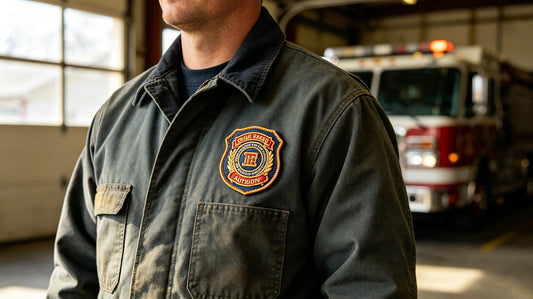
- Chest insignia for tactical shirts, range jackets: 7cm – 11cm
- Large sleeve / gear bag statement patches: 12cm – 24cm
2.3 Colour Matching Advice for Tactical Branding
Select Grade 4 colourfast matte polyester threads. Popular tactical colour palettes: coyote brown, charcoal black, olive drab, dark navy and muted earth tones, matching common tactical uniform colourways.
2.4 Mandatory Edge Sealing Standards
Common shapes include rounded rectangles, shields, ovals and custom crest silhouettes. Every patch edge must use continuous wrapping stitching to seal foam, blocking dust and moisture and slowing foam ageing.

Part 3: Material Selection for Tactical-Grade 3D Embroidery Patches
All materials specified below are optimised for foam-wrapped 3D embroidery, not suitable for flat embroidery, woven labels, PVC patches and plastic badges.
Embroidery Thread
High-tensile matte polyester thread with excellent abrasion resistance and UV stability. Avoid cotton thread; cotton absorbs moisture and stains easily and is prone to breakage under outdoor friction.
Base Fabric
Medium-weight compact polyester twill fabric. Dimensionally stable after repeated washing, offering reliable support for dense foam wrapping stitching.
3D Core: Closed-Cell EVA Foam
Medium-soft closed-cell EVA foam serves as the standard core material. Overly hard foam creates rigid patches; overly soft foam compresses permanently during storage and field use.
- 2mm foam: Universal choice for cap logos, chest insignia and daily tactical uniforms
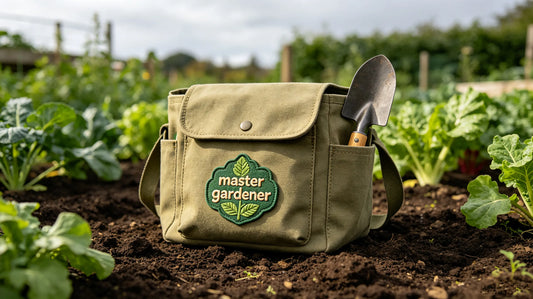
- 3mm foam: Used for large statement patches on gear bags and event merchandise
Backing Options for Tactical Gear
✅ Sew-On Backing (Top Recommendation for Permanent Uniforms) Smooth reverse side, stable performance outdoors, no risk of adhesive failure caused by temperature shifts and humidity. Compatible with ripstop tactical fabric, canvas and stretch performance material. ✅ Iron-On Backing Suitable for temporary event apparel and casual fan merchandise. Sewing reinforcement is strongly recommended for regular field use. ⚠️ Hook & Loop Backing Ideal for interchangeable morale patches; widely used within tactical communities. Note that hook backing may snag lightweight ripstop fabric with prolonged contact.
Edge Finishing Options
- Merrow Stitched Border Classic wrapped smooth edge, excellent anti-fray performance, withstands outdoor abrasion and repeated laundry cycles. The primary choice for official veteran and tactical team insignia.
- Laser Cut Edge Perfect for custom shield crests, skull silhouettes and freeform tactical logos. Delivers distinctive styling; must pair with complete foam wrapping stitching to seal all cut edges.
- Hot Cut Edge Only applicable to tiny souvenir patches. Not recommended for field gear, hot melt edges degrade quickly after temperature changes and frequent washing.

Part 4: Critical Production Standards for Tactical Patches
Professional 3D Embroidery Digitising
- Use balanced stitch density to avoid excessive compression flattening foam, preserving consistent raised relief
- Enforce full perimeter foam wrapping stitching to fully cover foam layer
- Add surrounding stabilising running stitches to minimise edge curling after repeated washing
Physical Sample Confirmation Before Bulk Manufacturing
Digital renderings cannot simulate real foam height, stitch tightness and matte visual effect. All bulk orders should approve physical samples before mass production. Check flexibility, colour accuracy and edge sealing to guarantee consistent quality for all team gear.
Batch Colour Consistency Control
All patches within one order use identical thread batches to eliminate colour difference, ensuring uniform insignia across all uniforms and equipment.
Part 5: Application & Care Tips for Tactical Gear with 3D Embroidery Patches
- Use durable polyester sewing thread during installation to secure patches firmly on ripstop tactical fabrics.
- Avoid placing oversized patches on elbow and waist bending areas to reduce continuous compression.
- Wash gear with neutral detergent; avoid harsh chemical cleaners that damage thread colour and foam structure.
- Air dry in shaded locations; prolonged high-temperature drying causes foam collapse.
- Never apply high-temperature iron directly onto the raised embroidered surface.

Part 6: Common Defects & Practical Solutions
1. Thread colour fades after long outdoor exposure
Cause: Low-grade thread lacking UV stabilisation Solution: Select Grade 4 UV-resistant matte polyester embroidery thread for all field gear patches
2. Raised 3D profile flattens permanently after frequent use
Cause: Excessively soft foam or over-compressed stitch density Solution: Adopt medium-soft closed-cell foam and adjust digitising stitch parameters
3. Foam exposure and fraying threads at patch edges
Cause: Incomplete edge wrapping stitching Solution: Implement full perimeter foam wrapping and sealed edge finishing as mandatory production rule
4. Iron-on patches separate after humidity and temperature changes
Cause: Low-quality hot melt adhesive vulnerable to moisture Solution: Choose sew-on or hook & loop backing for permanent field gear; add sewing reinforcement if iron-on is required
5. Patch edges curl after repeated washing
Cause: Insufficient stabilising stitches or thin base fabric Solution: Upgrade to medium-weight twill base fabric and add reinforcing stabilising stitches
Part 7: Maintenance Guidance for Tactical Apparel with 3D Embroidery Patches
- Brush off surface dirt and sand before washing tactical gear
- Turn apparel inside out during washing to reduce abrasion to embroidery
- Avoid bleach and strong chemical solvents that cause thread discolouration
- Do not stack heavy gear pressing on patches during storage to preserve three-dimensional shape
- Limit high-temperature machine washing cycles to extend patch service life
Part 8: 2026 Industry Trend for Tactical & Veteran 3D Embroidery Patches
More veteran groups and civilian tactical teams are moving away from easily damaged printed markings and adopting custom 3D foam embroidered patches. Matte finish, abrasion resistance and sealed construction become core purchasing criteria.
Shield crests, veteran emblems and custom morale artwork maintain strong demand. Sew-on and hook & loop merrow edge patches dominate team uniform orders, while laser-cut custom shapes are popular for event collectibles. Buyers prioritise flexible foam embroidery suitable for ripstop fabrics and reject low-density embroidery that quickly deteriorates outdoors.

Final Summary Core Rule
Genuine fully sealed foam wrapped 3D raised embroidery patches deliver tactile sculpted texture impossible to achieve with flat embroidery, printed graphics and PVC accessories. With reliable abrasion resistance, dust-proof sealed edges and flexible material performance, they serve as premium insignia solutions for tactical shirts, range jackets, caps and modular gear bags. Sew-on or hook & loop fully sealed edge construction remains the most stable option for long-term field use. Production must follow full foam edge wrapping and high-performance matte polyester thread standards. Optimised digitising and material selection ensure patches retain three-dimensional shape and clean appearance after long-term outdoor exposure and repeated washing, helping veteran and tactical communities build recognisable group identity.
Frequently Asked Questions
Q1: Which backing is most popular for tactical morale patches? A: Hook & loop backing is widely favoured for interchangeable morale patches; sew-on backing is ideal for permanent uniform insignia.
Q2: Can detailed unit crests and veteran artwork be manufactured into 3D embroidered patches? A: Yes. Ultra-thin lines and tiny text need proper thickening during digitisation to achieve stable foam wrapping and complete graphic restoration.
Q3: Will 3D embroidered patches snag molle webbing during field activity? A: Far less likely than rigid PVC patches. Soft foam construction delivers flexibility, minimising snags during movement.
Q4: What foam thickness is recommended for large patches on tactical gear bags? A: 3mm medium-soft closed-cell foam delivers striking three-dimensional visual effects without excessive stiffness.
Tags:
Previous
Custom 3D Raised Embroidery Patches for Automotive Clubs, Garages & Racing Teams | Motorsport Branding Guide
Next
Custom 3D Raised Embroidery Patches for Schools, Youth Sports Teams & Campus Organisations | School Apparel Branding Guide