Custom Patch Color Matching & Color Fastness Guide | Pantone Matching, Fading Prevention & Color Troubleshooting
Color is the core visual carrier of custom patches. Many buyers encounter common headaches: digital renderings look vibrant, but finished patches show color deviation; new patches fade after several washes; dark colors bleed and stain light fabric clothes. These problems mainly stem from non-standard Pantone color confirmation, low-grade raw materials and unreasonable color matching design. Mastering standardized color matching processes and high color fastness production standards can eliminate color disputes and keep patches bright for years of use.
Custom 3D embroidered patches adopts full Pantone color matching workflow and high color fastness raw materials, provides physical thread/PVC color swatches for customer confirmation, and strictly controls color consistency for all bulk orders.

Part 1: Pantone Standard Color Matching Full Process
1. Core Concept of Pantone Matching System
Pantone is the global unified color standard system. Each color corresponds to an exclusive number, which eliminates color difference caused by different screens, printers and raw materials. Embroidery threads and PVC pigments are all matched based on Pantone solid coated codes.
2. Standard Color Matching Steps
- Provide official Pantone number or upload high-definition color reference image; brand customers submit VI color specification documents.
- Factory extracts closest matching thread/PVC pigment from 1200+ color raw material library.
- Produce physical color swatch sample and send photos for customer visual confirmation; special custom colors require physical swatch mailing.
- Lock confirmed color as unified production standard for pre-production samples and bulk goods.
- Mass production adopts spectrophotometer real-time color inspection to control batch color error within acceptable range.
3. Key Color Matching Limitations
- Screen color difference: Digital display uses light-emitting RGB mode, while physical patches use pigment color absorption mode, inherent slight color gap exists.
- Material difference: Same Pantone number shows subtle difference on embroidery thread and PVC rubber, need separate matching.
- Metallic, neon and fluorescent colors cannot achieve 100% Pantone replication, only approximate matching supported.
4. Cost & Cycle Notes
Standard stock Pantone colors have no extra charge; custom exclusive color development requires pigment dyeing fees and additional 1–2 working days production cycle.

Part 2: Color Fastness Grading Standard & Material Classification
Color fastness grades range from Grade 1 (worst, severe fading) to Grade 5 (top grade, no discoloration). Commercial custom patches require minimum Grade 3 standard; high-end outdoor and uniform orders demand Grade 4–5.
1. Embroidered Patch Thread Color Fastness
- Ordinary polyester thread: Grade 2–3, suitable indoor low-frequency use, easy to fade under sunlight.
- High color fastness dyed thread: Grade 4–5, UV resistant, withstand repeated cold water washing, standard for school uniforms and outdoor patches.
- Metallic gold/silver thread: Grade 3–4, avoid long-term strong friction to prevent metal layer peeling.
2. PVC Rubber Patch Pigment Color Fastness
- Standard PVC ink: Grade 3, suitable daily indoor use.
- Anti-UV outdoor special pigment: Grade 4–5, anti-sunburn, no color migration after long-term outdoor exposure.
- Fluorescent PVC pigment: Grade 3, short light resistance life, recommended for temporary activity patches only.
3. Four Core Color Fastness Test Indicators
- Washing fastness: Resist fading and bleeding after repeated cold water washing.
- Rubbing fastness: Prevent color transfer when rubbed against other fabrics.
- Light fastness: Anti-fade under long-term UV sunlight exposure.
- Perspiration fastness: No discoloration from sweat contact for sports and riding patches.
Part 3: Classic Color Palette Matching For Common Scenarios
1. Corporate & Brand Formal Patches
Main tone: 1 primary brand color + 1 auxiliary contrast color + white/black outline
Style: Low saturation, stable neutral tones, avoid overly bright neon colors to maintain professional image
Recommended combinations: Navy+white, black+silver, dark gray+gold, burgundy+cream
2. School Uniform & Student Club Patches
Main tone: School standard primary color + light auxiliary color
Feature: High contrast to ensure text and logo recognition, moderate saturation
Recommended combinations: Royal blue+white, forest green+yellow, maroon+beige
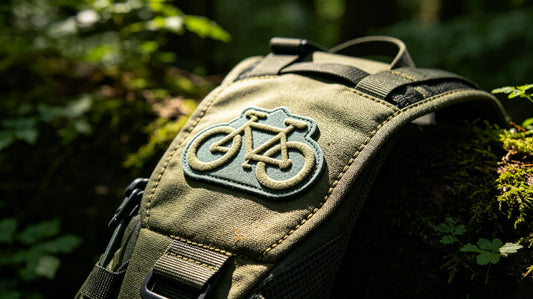
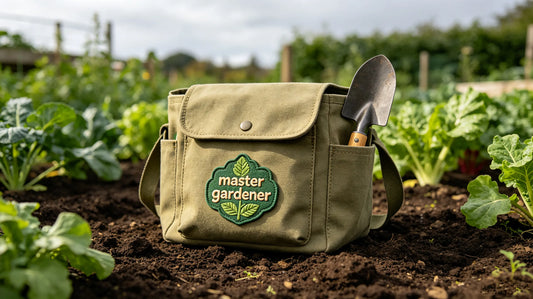
3. Outdoor Camping & Tactical Patches
Main tone: Earth tone low visibility palette
Classic colors: Khaki, army green, desert tan, charcoal gray, dark brown
Accent highlight: Small area orange/red for safety identification details
4. Biker & Retro Vintage Patches
Main tone: Dark retro high saturation color system
Classic combinations: Black+fire red, dark navy+gold, brown+ivory, dark green+orange
Decorative upgrade: Add metallic gold/silver thread for edge outlines
5. Fashion & Youth Trend Patches
Main tone: Pastel, neon, high contrast two-color collocation
Popular schemes: Pastel pink+white, neon green+black, sky blue+gray, lavender+cream

Part 4: Common Color Problems & Targeted Solutions
1. Obvious Color Deviation Between Sample & Bulk Goods
Causes: No locked Pantone number, different batch raw material batches, unstable production temperature
Solutions: Confirm physical color swatch before mass production; use spectrophotometer batch inspection; rework unqualified color batches free of charge.
2. Color Bleeding & Staining Light-Colored Clothes After Washing
Causes: Low-grade uncolor-fixed raw materials, excessive dark color area without isolation
Solutions: Upgrade to Grade 4+ color fastness thread/pigment; add white isolation layer under large dark color blocks; wash separately for dark patch garments.
3. Severe Fading After Outdoor Sun Exposure
Causes: Ordinary non-UV resistant raw materials, no anti-fade treatment
Solutions: Select outdoor special anti-UV thread and PVC pigment; avoid long-term direct sunlight storage.
4. Metallic Thread Tarnish & Fading Quickly
Causes: Low-quality metal coating thread, long-term friction and soaking
Solutions: Use high-density wrapped metallic thread; reduce large-area metallic thread design; avoid hard scrubbing during washing.
5. Patch Color Looks Different Indoors vs Outdoors
Causes: Different light sources (warm indoor lamp vs natural sunlight) produce visual color difference
Solutions: Complete color confirmation under natural daylight; reserve slight acceptable color tolerance range in order contract.
Part 5: Color Design Cost & Production Optimization Tips
- Control total color quantity within 4 colors to reduce raw material switching time and unit production cost.
- Reuse existing factory stock Pantone colors to avoid custom color development fees.
- Use black or white as outline replacement for multi-color complex patterns to simplify color layers.
- Large dark color areas add thin white base layer to prevent color bleeding onto fabrics.
- Outdoor and long-wash orders prioritize high color fastness raw materials to avoid after-sales quality complaints.

Part 6: Color Selection Mistakes To Avoid
- Design large-area neon fluorescent colors for long-term outdoor patches → rapid light fading and short service life.
- Match dark saturated large color blocks without isolation layer → serious color bleeding during washing.
- Only confirm colors via phone screen photos without physical swatch → inevitable bulk color deviation.
- Use low-grade ordinary thread for school uniform bulk orders → mass fading after several washes.
- Overuse metallic thread for high-friction riding patches → metal coating peels off quickly.
Part 7: Daily Color Protection Maintenance Rules
- New patch clothes soak in cold salt water for 15 minutes before first wash to lock color.
- Separate dark patch clothing from light clothes to avoid cross staining.
- Use cold water and neutral mild detergent, ban bleach and high-temperature washing.
- Dry patches in ventilated shade, prohibit long-term direct sunlight exposure.
- Wipe PVC patches with damp cloth directly instead of soaking to protect pigment layers.

Final Summary Core Rule
Adopt standard Pantone color number + physical swatch double confirmation to control color deviation; select Grade 4–5 high color fastness raw materials for uniforms and outdoor scenes, low-grade materials only for short-term indoor decorations. Match targeted color palettes per usage scenarios, limit total color quantity to control cost, and follow shade washing maintenance to extend patch bright color service life.
Frequently Asked Questions
Q1: What is Pantone color matching for patches?
A: Unified global color standard with exclusive color numbers, eliminating color difference caused by screen and raw material gaps.
Q2: Which grade color fastness is required for school uniform patches?
A: Grade 4–5 high color fastness thread is recommended for repeated long-term washing.
Q3: Why do patches look different under indoor light and sunlight?
A: Different light wavelengths create visual color difference; confirm color under natural daylight.
Q4: Can neon fluorescent colors achieve full Pantone matching?
A: No, neon pigments have inherent color limitations and can only provide approximate matching effects.
Tags:
Previous
Custom Patch Backing Types Guide | Iron-On, Sew-On, Velcro & Self-Adhesive Pros & Cons
Next
Custom Patch Size Guide | Standard Sizes, Size Selection Rules & Design Tolerance Tips