Custom Patch Embroidery Thread Guide | Thread Types, Color Matching, Thickness & Selection Rules
Every vivid embroidered patch is woven with fine embroidery threads. Thread material determines durability and color fastness, thread thickness affects detail presentation and patch softness, while luster and color directly control the overall style. Regular factories mainly use polyester thread and rayon thread, which have obvious differences in performance and applicable scenes. Reasonable thread matching can not only upgrade the patch grade, but also effectively reduce after-sales problems such as thread breakage and fading.
Custom 3D embroidered patches adopts high-strength color-fast polyester thread as standard configuration, and provides optional luster rayon thread for decorative and high-end customized orders.

Part 1: Two Mainstream Embroidery Thread Materials & Features
1. Polyester Embroidery Thread (Factory Default Universal Option)
Made of high-strength polyester fiber, it is the most widely used thread for industrial patch production.
- Pros: Excellent tensile strength, not easy to break; outstanding color fastness, anti-fading and anti-bleeding; moderate matte luster, classic and versatile; low water absorption, suitable for frequent washing.
- Cons: Soft luster, unable to create bright silky effect.
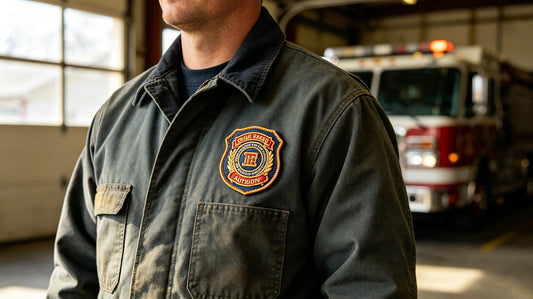
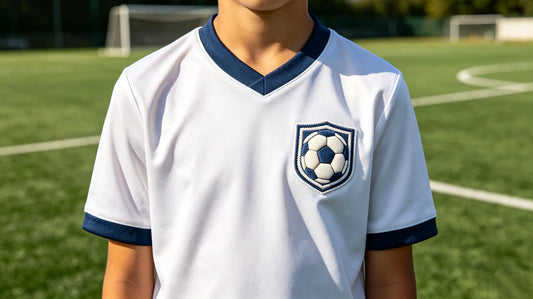
- Best for: Team uniforms, work clothes, outdoor tactical patches, daily wearable embroidered patches of large batches.
2. Rayon Embroidery Thread (High-End Decorative Upgrade)
Traditional silk-like artificial fiber thread, famous for gorgeous luster.
- Pros: Bright silky shine, soft hand feel, elegant visual effect, strong decorative performance.
- Cons: Poor tensile strength, easy to break under strong friction; general color fastness, prone to fading after long-term sun exposure and repeated washing.
- Best for: Commemorative souvenir patches, fashion decorative patches, gift patches and indoor display ornaments with low friction.

Part 2: Embroidery Thread Thickness Classification & Matching Rules
-
Fine Thread (Thin Specification)Fine and delicate yarn, suitable for small patches below 3 inches, ultra-fine text and complex tiny lines. It can restore details clearly without crowding patterns. Not recommended for large-area solid filling, which will increase production time.
-
Standard Medium Thread (Most Popular)Balanced thickness, the standard configuration for 90% of regular patches. Adaptable for flat embroidery, partial solid color filling and conventional pattern stitching, compatible with most sizes and crafts.
-
Thick Thread (Heavy-Duty Specification)Thickened yarn for large full-fill embroidery and 3D foam embroidery. Increase three-dimensional texture and firmness, enhance wear resistance. Not suitable for small patches and fine text, which will cover details.
Part 3: Thread Luster Style Division & Style Matching
-
Matte Luster (Polyester Mainstream)Low-key soft gloss, close to fabric texture, steady and restrained. Preferred for formal uniforms, corporate logos and work-related patches, highlighting professional temperament.
-
Bright Silky Luster (Rayon Mainstream)High-gloss reflective effect, gorgeous and eye-catching. Suitable for fashion, retro, festival and souvenir patches to create a luxurious decorative style.

Part 4: Practical Thread Color Matching Techniques
1. Tone-on-Tone Matching (Formal Style)
Select thread color close to twill base or pattern color. The whole vision is unified and low-key, lines are integrated naturally. The first choice for corporate, school and formal team uniforms.
2. Contrast Color Matching (Casual & Highlight Style)
Use colors with strong contrast such as black & white, red & black to outline patterns. Strengthen the sense of hierarchy and visual impact, widely used in motorcycle patches, street style and tactical morale patches.
3. Gradient Color Matching (Artistic Style)
Match multiple similar colors from light to dark to enrich layering. Mostly applied to landscape, totem and artistic customized patches, pay attention to color transition harmony.
4. Single Solid Color Matching (Minimalist Style)
Whole patch adopts one single thread color, concise and neat, suitable for simple logo and text patches.
Part 5: Craft-Specific Thread Selection Standards
Flat Ordinary Embroidery
Default medium-thickness polyester thread; choose rayon thread if high gloss decoration is required.
3D Foam Embroidery
Must use medium or thick high-strength polyester thread. The thread needs to bear the support of foam layer, fragile rayon thread is easy to break.
Small Mini Patches & Fine Text
Prioritize fine polyester thread to ensure text and lines are clear and not fused.
Large Full-Fill Embroidery
Use thick polyester thread to speed up production and enhance the overall solid texture of the patch.

Part 6: Common Thread Selection Mistakes To Avoid
- Use fragile rayon thread for outdoor work uniforms → thread breaks easily under friction and fades rapidly outdoors.
- Match thick thread for small patches with fine text → lines and letters stick together and become unrecognizable.
- Choose bright high-luster rayon for formal corporate uniforms → overly fancy luster destroys professional image.
- Use thin thread for large full-fill embroidery → loose texture, poor three-dimensional sense and low durability.
Final Summary Core Rule
Polyester thread = durable, washable, universal for daily and outdoor use; rayon thread = glossy and decorative for souvenirs and indoor ornaments; fine thread for small patches and details, thick thread for large full-fill and 3D embroidery; tone-on-tone for formal wear, contrast color for casual styles. Match thread material, thickness and color according to usage scene and patch craft.
Reasonable thread selection is an invisible key to improving patch quality and style.

Frequently Asked Questions
Q1: What is the standard thread used for most custom embroidered patches?
A: High-strength medium-thickness polyester embroidery thread is the mainstream default choice.
Q2: Which thread is more durable, polyester or rayon?
A: Polyester thread has better tensile resistance and color fastness, far more durable than rayon thread.
Q3: Is bright luster thread suitable for work uniforms?
A: Not recommended. Matte polyester thread is more in line with formal and professional styles.
Q4: What thread should be used for 3D foam embroidered patches?
A: High-strength medium or thick polyester thread is required to avoid thread breakage.
Tags:
Previous
Custom Patch Artwork Guide | File Format, Resolution, Line Thickness & Design Submission Rules
Next
Custom Patch Bulk Order Guide | Bulk Pricing, Order Process, Quality Inspection & Reorder Tips