Custom Patch Outdoor & Camping Guide | Hiking, Tactical, Camping Styles & Usage Tips
Outdoor sports have become a popular lifestyle, and custom patches have evolved into iconic decorations and identity marks for outdoor enthusiasts. Whether for hiking, camping, rock climbing or tactical activities, outdoor patches need to withstand wind, rain, sun exposure, friction and low temperature. Different outdoor scenes have unique requirements for style, material and structure. Mastering professional customization and usage rules ensures patches keep intact and bright during long-distance travels and wilderness adventures.
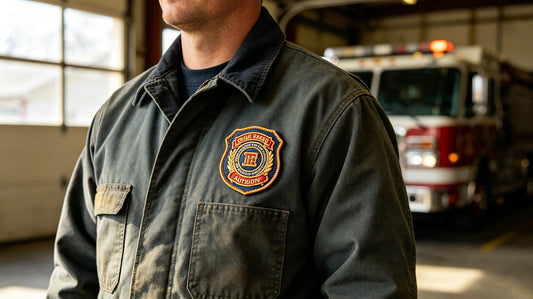
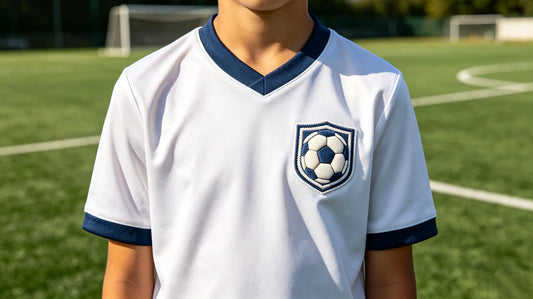
Custom 3D embroidered patches uses weather-resistant materials and heavy-duty craftsmanship for outdoor series patches, adapting to all kinds of complex field environments.

Part 1: Core Performance Requirements for Outdoor Patches
- Waterproof & Moisture-Proof: Resist rain, dew and water splashes, prevent glue failure and fabric mildew.
- UV & Fade Resistant: Anti-ultraviolet formula, avoid discoloration after long-term sun exposure.
- High Wear Resistance: Withstand friction from backpacks, tents and outdoor clothing, not easy to fray.
- Tear & Cold Resistant: Adapt to low temperature and pulling in wilderness environments, no cracking.
- Anti-Dirt & Easy to Clean: Surface repels dust and mud, simple to wipe clean after activities.
Part 2: Mainstream Outdoor Patch Styles & Design Elements
1. Camping & Wilderness Style
- Core elements: Mountains, forests, tents, campfires, compasses, maps, wild animals
- Color palette: Earth tones, dark green, khaki, desert yellow, rock gray
- Style features: Rough texture, retro lines, relaxed wild atmosphere
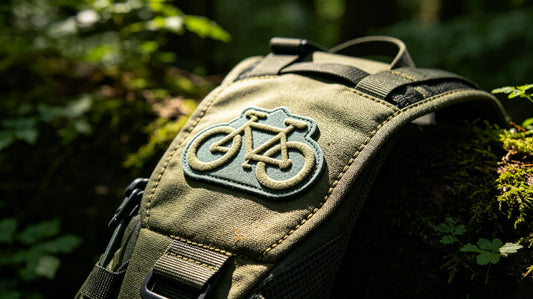
- Application: Camping backpacks, outdoor jackets, camping equipment
2. Hiking & Adventure Style
- Core elements: Footprints, trails, peaks, navigation icons, motivational slogans
- Design characteristics: Concise lines, strong recognition, lightweight layout
- Size: 2"–3.5", moderate size, not bulky during movement
3. Tactical & Morale Style
- Core elements: Military patterns, tactical symbols, abstract emblems, exclusive mottos
- Shape preference: Irregular contours, shield, hexagon, special geometric shapes
- Tone: Dark color system such as black, army green, dark gray, low visibility style
- Feature: Strong sense of personality, convenient for combination matching
4. Retro Outdoor Vintage Style
- Use distressed edges, faded color effect and old-style fonts
- Match retro outdoor culture, popular among senior outdoor collectors

Part 3: Recommended Crafts & Material Selection
1. PVC Rubber Patches (Top Choice for Outdoor Use)
- Advantages: Fully waterproof, wear-resistant, anti-UV, easy to clean, no water absorption
- Features: Firm texture, not easy to deform in low temperature
- Applicable: All outdoor scenes, especially rainy and humid areas
2. Thick Flat Embroidered Patches
- Material: High-strength polyester thread + thickened waterproof base fabric
- Treatment: Extra color fixing process to prevent fading
- Advantages: Soft texture, comfortable to wear, rich pattern expression
- Reminder: Choose dense stitching to reduce water penetration
3. Heavy-Duty Woven Patches
- Features: Ultra-thin, tough, anti-fray, long service life
- Applicable: Small tactical badges, mini outdoor marks on clothing
4. Not Recommended Crafts for Outdoors
Ordinary 3D foam embroidery (easy to absorb water and collapse), common iron-on backing (glue fails after soaking)
Part 4: Backing Selection for Outdoor Gear
1. Full-Coverage Heavy-Duty Velcro (Most Popular)
- Advantages: Strong adhesion, shockproof, can be disassembled and combined freely
- Applicable: Tactical vests, outdoor backpacks, tactical bags
- Suggestion: Choose woven thick Velcro, avoid thin adhesive style
2. Sew-On Backing (Most Durable for Long-Term Use)
- Advantages: Unaffected by water and temperature, permanent fixation
- Applicable: Outdoor uniforms, hiking suits, fixed style equipment
3. Special Waterproof Self-Adhesive
- For temporary decoration on hard outdoor boxes and water bottles
- Not recommended for fabric surfaces with frequent bending
4. Backing Taboos
Ordinary hot melt iron-on backing: Water will make the glue lose viscosity and peel off quickly.

Part 5: Size & Position Matching Rules
1. Backpack Main Body
- Size: 3"–4.5", large visual area, main decorative patch
- Position: Backpack front panel, shoulder strap outer side
2. Tactical Vest & Jacket
- Main chest area: 2.5"–3.5" single large patch
- Arm & shoulder area: 1.8"–2.8" conventional patches
- Multi-piece combination: Multiple mini patches (1"–2") for layered matching
3. Hats & Caps
- Size: 1.5"–2.5", not too large to avoid affecting wearing comfort
- Position: Front of cap, side brim
4. Outdoor Accessories
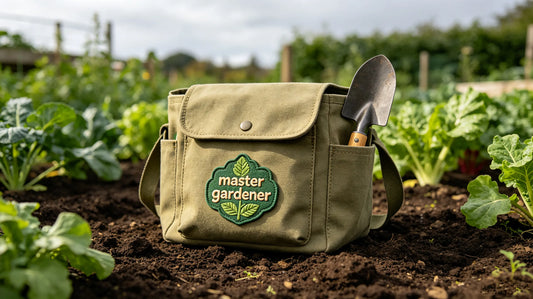
Water bottle, tool bag, storage bag: 1.2"–2" mini patches, neat and compact
Part 6: Color Matching & Practical Camouflage Tips
- Conventional Outdoor Matching: Earth tones + dark colors, highly compatible with most outdoor outfits
- High-Visibility Style: Add partial orange, red and fluorescent accents for outdoor safety identification
- Low-Profile Tactical Style: Pure black, army green, dark gray, reduce visual exposure
- Avoid large-area bright white: Easy to get dirty and hard to clean in wild environments

Part 7: Field Use & Post-Activity Maintenance
- Wipe off mud, sand and dust in time after returning from outdoor activities, do not let dirt accumulate for a long time
- For PVC patches: Rinse directly with water and wipe dry, no special maintenance needed
- For embroidered patches: Use soft brush to clean surface dust, avoid hard scrubbing
- Long-term outdoor storage: Keep in ventilated place, prevent mildew in humid environment
- Check Velcro regularly, clean stuck lint to maintain adhesion
Part 8: Customization Cost & Order Suggestions
- Bulk team outdoor orders: Prioritize PVC patches + Velcro, cost-effective and durable
- High-demand hiking groups: Thick embroidered patches with color fixing treatment
- Tactical collection players: Mix multiple sizes and styles to form a complete patch set
- Control color quantity within 4 colors to balance effect and production cost
- Choose regular shapes to reduce extra cutting fees for large orders
Part 9: Common Outdoor Customization Mistakes To Avoid
- Use ordinary iron-on backing for outdoor patches → peel off once encountering water
- Select thin common fabric embroidery → easy to fray and fade after sun exposure
- Overly large patches on shoulder straps → increase friction and affect movement
- Use fragile hollow-out designs for tactical patches → easy to damage during strenuous exercise
- Single light color design for wild use → extremely easy to get stained

Final Summary Core Rule
Outdoor patches prioritize waterproof, anti-fade and wear-resistant performance; PVC and thick embroidery are the top crafts. Match heavy-duty Velcro or sew-on backing according to equipment types; adopt earth tones and dark colors for mainstream styles. Select reasonable sizes by installation position, clean and maintain in time after outdoor activities to extend service life.
Frequently Asked Questions
Q1: What craft is the most waterproof for outdoor patches?
A: PVC rubber patches have the best overall waterproof performance for outdoor use.
Q2: Is iron-on backing suitable for outdoor clothing patches?
A: Not recommended. Hot melt glue will fail after rain and long-term friction.
Q3: What colors are the most practical for camping and hiking patches?
A: Earth tones such as khaki, dark green and desert yellow are the most versatile choices.
Q4: Which backing do most tactical vest patches use?
A: Full-coverage heavy-duty woven Velcro is widely used for easy replacement.
Tags:
Previous
Custom Patch School & Student Use Guide | Uniforms, Clubs, Events & DIY Decoration
Next
Custom Patch Brand Promotion Guide | Logo Patches, Brand Marketing & Customer Loyalty