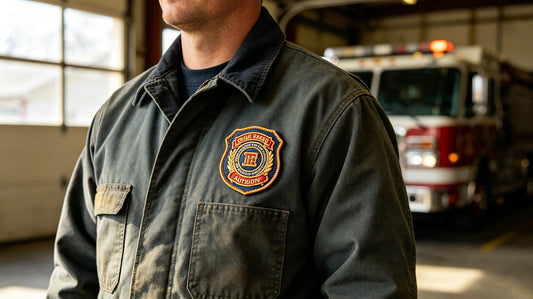
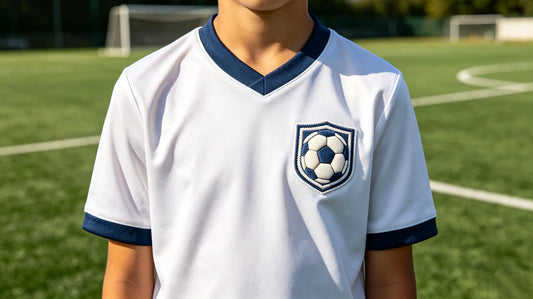
Custom Patch School & Student Use Guide | Uniforms, Clubs, Events & DIY Decoration
From formal school emblems to trendy DIY decorations, custom patches have become an essential part of campus culture. They not only mark student identities and team honors, but also satisfy young people’s pursuit of personality. School orders focus on low cost, uniform style and wear resistance, while personal student use favors diverse designs and rich creativity. Combining campus management rules, wearing habits and budget demands can make patches more suitable for various campus scenarios.
Custom 3D embroidered patches provides cost-effective batch customization services for schools and student groups, with multiple styles and backing options to meet campus unified use and personal DIY demands.

Part 1: Core Requirements for Campus Patch Customization
- Uniform Standard: Collective use patches keep consistent size, color and craft to maintain campus neatness.
- Durability: Resist frequent washing, friction and extrusion, adapt to long-term daily wear.
- Cost Control: Large batch orders prioritize cost-effective crafts to fit school procurement budgets.
- Safety: Use environmentally friendly materials, non-toxic dyes, no sharp edges to ensure student safety.
- Style Classification: Distinguish formal styles for uniforms and personalized styles for personal accessories.
Part 2: School Uniform Patches (Official Identity Emblems)
1. Common Positions & Size Standards
- Chest position (most common): 2"–2.8", regular round, square or shield shape
- Sleeve position: 2.5"–3.5", suitable for school badges and grade marks
- Shoulder position: 3"–4", for honor badges and representative emblems
2. Craft & Material Selection
- Priority: High-density woven patches or flat embroidered patches, low cost and clear patterns
- Material: Standard color-fast polyester thread, thickened base fabric for repeated washing
- Taboo: Overly fancy 3D foam or transparent PVC, avoid affecting uniform style
3. Backing Recommendation
- Sew-on backing: First choice for formal uniforms, permanent fixation, not easy to fall off after washing
- Iron-on backing: Alternative choice for convenient installation, suitable for schools without uniform sewing conditions
4. Design Rules
Mainly use school name, school logo, school motto and standard school colors. Keep design concise, formal and elegant, no exaggerated patterns.

Part 3: Student Club & Organization Patches
1. Applicable Clubs
Art club, music club, sports club, debate club, volunteer group and other student organizations.
2. Style & Design Ideas
- Core elements: Club name, logo, symbolic patterns and representative icons
- Style: Lively and personalized, can use cartoon, retro, minimalist and other styles
- Color: Bright and layered colors to highlight group characteristics
3. Size & Craft
- Main size: 2.2"–3.2", suitable for uniforms, backpacks and club costumes
- Craft selection: Flat embroidery for basic styles; 3D foam embroidery for clubs pursuing stereo sense
- Backing: Velcro backing is popular, convenient for switching between different costumes
4. Group Matching Suggestions
Unify the main outline and color of all club patches, change partial patterns to form a unified campus club visual system.
Part 4: School Sports Team & Athletic Patches
1. Design Focus
Team name, team number, mascot, sport elements and competition slogans. The style is tough and dynamic, matching sports spirit.
2. Practical Requirements
- Wear resistance: Withstand strenuous exercise, friction and outdoor exposure
- Water resistance: Adapt to sweat and outdoor rainy days
- Craft: Thick flat embroidery or PVC patches, strong and not easy to damage
3. Installation Position
Sports suit chest, sleeve, backpack and sports cap. Velcro and sew-on are both widely used.

Part 5: Campus Activities & Commemorative Patches
1. Common Activity Scenarios
School festivals, sports meetings, cultural performances, graduation seasons, study tours and summer camps.
2. Design Highlights
Mark activity name, date, theme and exclusive patterns. Take commemorative and collection attributes as the core.
3. Configuration Suggestions
- Small size (1.5"–2.5"): Distributed as activity souvenirs for all participants
- Velcro backing: Convenient for collection and display
- Batch production: Control cost with unified simple styles for large events
Part 6: Student Personal DIY Decoration Patches
1. Popular Application Positions
Student backpacks, school bags, caps, pencil cases, casual jackets and canvas shoes.
2. Style Trends for Students
Cartoon characters, anime elements, trendy slogans, retro patterns, mini mixed badges. Multi-piece collocation is popular.
3. Size Combination Tips
- Mini patches (1"–1.8"): Multiple pieces combined for layered decoration
- Conventional patches (2"–3"): Single main pattern as visual focus
4. Backing Selection for DIY
- Iron-on: Easy self-installation for clothes and bags
- Self-adhesive: Temporary decoration for pencil cases and notebooks
- Velcro: Frequent style replacement to match different moods

Part 7: Batch Order Cost-Saving Tips for Schools
- Choose woven or flat embroidery, avoid complex multi-craft designs to reduce unit price.
- Control color quantity within 2–4 colors, fewer colors mean lower production cost.
- Adopt regular round, square shapes to waive special cutting fees.
- Combine multiple clubs and grades to place unified large orders for quantity discounts.
- Reuse existing school colors and standard patterns to save plate making fees for reorders.
Part 8: Daily Use & Maintenance Reminders
- Uniform patches with sew-on backing check stitches regularly, repair loose threads in time.
- Iron-on patches on backpacks avoid long-term extrusion and high-temperature exposure.
- DIY decorative patches on stationery choose light and thin styles to prevent bulging.
- Wash uniforms inside out to protect patches and extend service life.
- Collect activity commemorative patches and store them in dry boxes to avoid moisture.
Part 9: Common Campus Customization Mistakes To Avoid
- Excessively large patches for uniform chest position → affect wearing and look uncoordinated
- Use fragile thin materials for sports team patches → easy to damage during exercise
- Too many fancy colors for official school emblems → inconsistent with campus style
- Ignore safety and select patches with sharp burrs → bring hidden danger to students
- Complicated designs for large-batch activity patches → increase cost and production cycle

Final Summary Core Rule
Formal school uniforms use concise woven or flat embroidery with sew-on/iron-on backing; clubs and sports teams adopt personalized styles and Velcro for easy replacement; activity souvenirs focus on collection value; student DIY favors diverse mini patches. Control craft and colors to save cost for school bulk orders, prioritize wear resistance and safety to fit campus use.
Frequently Asked Questions
Q1: What patch craft is most cost-effective for school uniform bulk orders?
A: High-density woven patches are the best choice for low cost and clear details.
Q2: Which backing is recommended for student club patches?
A: Velcro backing is popular, easy to disassemble and match different clothing.
Q3: What size is suitable for patches on student uniform chests?
A: 2 inches to 2.8 inches is the standard and coordinated size.
Q4: Are 3D foam patches suitable for school uniforms?
A: Not recommended; 3D styles are too bulky and do not match formal uniform style.
Tags:
Previous
Custom Patch Gift & Souvenir Guide | Selection, Matching, Packaging & Gifting Ideas
Next
Custom Patch Outdoor & Camping Guide | Hiking, Tactical, Camping Styles & Usage Tips