Custom Patch Shapes: Standard & Unique Contour Design Guide
When designing custom patches, most people focus on patterns, colors and crafts, while ignoring the importance of patch shapes. A well-chosen contour can instantly highlight the theme, match the usage scene and upgrade the overall style. Standard shapes convey formality and stability, while irregular custom shapes show personality and creativity.
Different carriers such as uniforms, hats, bags and souvenir gifts have different requirements for patch outlines. Improper shape selection will lead to uncoordinated proportions, poor fitting or inconsistent style. This guide categorizes mainstream patch shapes, analyzes their style characteristics, applicable scenarios and matching skills, helping you pick the perfect contour for your custom patches. Custom 3D embroidered patches supports all standard and fully customized special shapes to meet diverse design demands.

Classification of Patch Shapes
We divide patch shapes into two major categories: regular standard shapes and creative custom shapes. Each category has distinct style positioning and applicable crowds.
Part 1: Classic Regular Shapes (Formal, Versatile & Widely Used)
Regular shapes feature neat outlines, balanced proportions and strong universality. They are the first choice for official teams, enterprises, schools and formal occasions.
1. Round & Oval Patches
Style feature: Soft lines, friendly and classic, no sharp edges.
Applicable scenarios: Hat front emblems, mini identification marks, souvenir patches, club logos and casual decorative patches.
Matching tips: Small round patches (3–5cm) work well on hat sides and bag straps; medium round patches (5–7cm) are ideal for main decorative areas. Oval shapes are more slender, suitable for long text and name strips.
2. Square & Rounded Rectangle Patches
Style feature: Neat, rigorous and orderly. Rounded corners avoid sharp edges and improve comfort.
Applicable scenarios: Work uniforms, staff badges, corporate logos, school emblems and team chest patches.
Matching tips: Sharp square patches are rarely used on clothing due to scratch risks; rounded rectangles are the most mainstream for formal uniforms, with moderate length and width for text and logo layout.
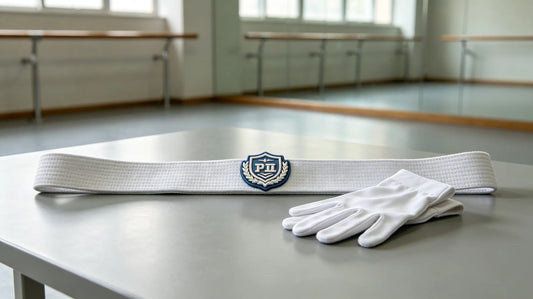
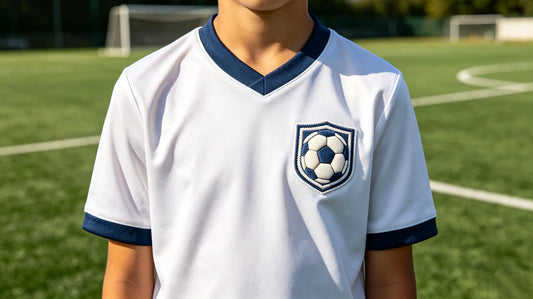
3. Shield Patches
Style feature: Classic honorable shape, symbolizing defense, glory and team spirit, full of retro and heroic temperament.
Applicable scenarios: Security uniforms, sports teams, school teams, honor badges, tactical patches and competition commemorative emblems.
Matching tips: Standard vertical shields for chest main emblems; small horizontal shields for sleeve and shoulder marks. It pairs perfectly with embroidery and PVC crafts.
4. Strip & Banner Patches
Style feature: Slender and elongated, suitable for displaying text, slogans, names and numbers.
Applicable scenarios: Player name tags, department labels, slogan patches, armband marks and edge decorative patches.
Matching tips: Control the width within 3–4.5cm to avoid overly narrow lines that affect definition.
Part 2: Creative Irregular & Custom Shapes (Personalized & Eye-Catching)
Break the limitation of regular outlines, tailor shapes according to themes. They are popular for fashion collocation, event souvenirs, tactical morale patches and personalized collections.
1. Silhouette Shapes
Design patches into the outline of related objects, animals, characters or equipment.
- Common types: Animal heads, sports equipment, musical instruments, vehicle silhouettes, figure outlines.
- Applicable scenarios: Music festivals, sports events, outdoor clubs, fashion brand decorations.
- Advantage: Strong theme correlation, easy to leave a deep impression.
2. Special Contour & Abstract Shapes
Free curves, asymmetrical outlines and abstract graphics. No fixed rules, fully personalized.
- Applicable scenarios: Street fashion patches, limited-edition souvenirs, art studio logos and exclusive personalized patches.
- Tips: Avoid overly complex jagged edges, which are easy to wear and damage during use.
3. Hollow-Out Design Shapes
Reserve hollow areas on the basis of basic shapes, increasing layering and uniqueness.
- Common styles: Hollowed center, hollowed border, partial cutout details.
- Applicable scenarios: High-end commemorative patches, collectible limited editions and fashion decorative patches.
- Note: Not recommended for patches smaller than 4cm, as hollow parts will affect structural firmness.
4. Combined Splicing Shapes
Combine two or more basic shapes into one, such as round plus shield, square plus strip.
- Applicable scenarios: Multi-element team logos, multi-information identification patches.
- Tips: Keep the overall outline concise to prevent messy visual effect.

Shape Selection Rules by Carrier
1. Patches for Hats
- Priority picks: Round, oval, small shield and irregular silhouette shapes.
- Avoid: Oversized square and long strip shapes, which do not fit the curved radian of hat panels.
- Key point: Soft outlines fit the hat surface better and will not warp easily.
2. Patches for Uniforms & Workwear
- Priority picks: Rounded rectangle, standard shield, oval.
- Avoid: Sharp corners, exaggerated irregular shapes and complex hollow-out designs.
- Key point: Prioritize formality and neatness, ensure unified style for all staff.
3. Patches for Backpacks & Bags
- Priority picks: All shapes are available. Large shields, squares and irregular silhouettes for main areas; small rounds and strips for auxiliary decoration.
- Avoid: Ultra-fragile hollow-out shapes for bags used outdoors frequently.
4. Patches for Clothing & Jackets
- Chest position: Rounded rectangle, shield, round.
- Sleeve & pocket position: Mini round, small square and strip shapes.
- Denim & retro outfits: Leather patches with round, shield and irregular retro contours.
5. Event & Souvenir Patches
- Large-scale official events: Standard shield, rounded rectangle and oval.
- Music festivals, theme parties: Irregular silhouettes, abstract shapes and hollow-out designs.
Shape & Craft Matching Suggestions
Embroidered Patches
Adapt to almost all regular shapes. For irregular shapes, use neat merrow borders to fix edges and prevent thread fraying. Complex hollow-out designs are not recommended for embroidery.
PVC Rubber Patches
The best craft for irregular, hollow-out and special contours. Integrated molding supports any complex cutout without structural damage. It is the top choice for creative shaped patches.
Woven Patches
Suitable for regular flat shapes such as round, square and strip. Too complex irregular outlines will increase the difficulty of weaving and trimming.
Leather Patches
Classic with round, oval, shield and rounded rectangle. Simple irregular contours are acceptable; overly jagged shapes easily cause leather cracking.

Shape & Size Collocation Principles
- Large patches (above 8cm): Choose stable shapes like square, shield and large oval to maintain balanced vision.
- Medium patches (5–8cm): Free to match all regular and simple irregular shapes, the most flexible size range.
- Mini patches (below 5cm): Prioritize round, small square and short strip. Too complex contours will lose detail.
- Multi-patch combination: Unify the style of outlines, for example, match multiple round patches or multiple shield patches.
Common Mistakes When Choosing Patch Shapes
- Using sharp-cornered square patches on close-fitting clothes, causing scratching and discomfort.
- Matching long strip patches on curved hat surfaces, resulting in poor fitting and edge warping.
- Designing complicated hollow-outs on small patches, leading to easy damage during use.
- Using exaggerated irregular shapes for formal work uniforms, destroying professional style.
- Choosing irregular jagged outlines for embroidered patches, causing frequent thread loosening.

Final Summary
Patch shapes determine the first visual impression and scene adaptability.
Regular shapes including round, oval, rounded rectangle and shield are timeless and suitable for formal teams, uniforms and daily universal use. Irregular silhouettes, hollow-out and custom contours highlight personality, perfect for fashion, events, tactical and collectible patches.
When selecting shapes, combine the carrier, usage scene, patch size and craft type. A reasonable contour design can make your custom patches more coordinated, durable and attractive.

Frequently Asked Questions
Q1: What is the most classic shape for uniform patches?
A: Rounded rectangle and standard shield are the most common formal choices.
Q2: Which shape fits hats best?
A: Round, oval and small shield shapes fit the curved surface of hats perfectly.
Q3: Which craft is best for hollow-out shaped patches?
A: PVC rubber patches with integrated molding are the ideal option.
Q4: Are sharp-cornered patches recommended for clothing?
A: Not recommended. Sharp edges easily scratch skin and wear fabric.
Tags:
Previous
Leather Patches Guide: Design, Custom Styles, Pros & Usage Ideas
Next
Patch Border Guide: Merrow Edge, Heat Cut & No Border Comparison