Custom Patch Shapes Guide: Popular Styles, Design Tips & Application Ideas
When designing 3D puff embroidered patches, most creators focus on patterns, colors and sizes, while overlooking the importance of patch shapes. A proper outline shape can set the overall tone of the patch at first glance. Classic shapes convey formality and steadiness, while creative irregular shapes highlight personality and fashion sense.
Different shapes also adapt to different wearing surfaces and craftsmanship. Regular shapes are easy to produce and widely used for uniforms and team emblems, while special cutout and irregular shapes are favored by fashion brands, streetwear and personalized merchandise. What’s more, some shapes work better with the three-dimensional structure of 3D puff patches, maintaining full raised effect without deformation.
This guide classifies all mainstream patch shapes on the market, analyzes their style features, applicable scenarios and matching skills, and shares key points for combining different shapes with 3D puff craftsmanship. Whether you make formal group patches or trendy personalized decorations, you can find the most suitable shape solutions here. Reliable custom 3D embroidered patches supports all regular and fully customized irregular shapes to meet diverse design demands.

Why Patch Shape Plays an Important Role
Patch shape is the outer frame of the whole design, which determines the first visual impression. For formal occasions such as uniforms, corporate emblems and honor badges, neat and standard shapes can enhance a sense of rigor and authority. For casual fashion, hip-hop streetwear and creative gifts, unique irregular shapes can stand out from ordinary designs and show distinctive styles.
In terms of practical use, shapes affect the fitting effect on different items. Curved surfaces like hats and sleeves are more compatible with round and oval patches, while stiff flat surfaces such as backpacks and uniform chests are suitable for square and rectangular styles.
From the perspective of production and durability, regular shapes have more stable stitching and edges, not easy to fray or deform after long-term wearing. Complex cutout shapes require higher craftsmanship, and need stricter edge treatment to extend service life. Choosing the right shape according to your needs is the first step to create ideal custom patches.
Classic Regular Shapes (Most Widely Used)
Regular shapes are the most traditional and practical options, stable in style, easy to match and suitable for almost all scenarios. They are the top choice for bulk orders and formal customization.
Round patches are timeless classic styles. The smooth arc outline looks soft and harmonious, perfectly fitting the curved surface of hats, sleeves and bags. Round shapes deliver a friendly and inclusive feeling, widely applied to brand logos, team marks, commemorative patterns and small decorative patches. They will never warp easily on radian surfaces, so they are highly recommended for all kinds of headwear.
Square and rectangular patches feature neat lines and a steady atmosphere. They represent standardization and formality, and are the mainstream shape for work uniforms, school uniforms, formal badges and text slogan patches. Rectangular patches with long vertical or horizontal layout are especially good for displaying names, mottos and long sentences. For large patches on the back of jackets, square and rectangular outlines can hold more complex patterns.
Oval patches combine the advantages of round and square styles. With gentle arcs on both ends and straight lines in the middle, they are elegant and not too rigid. They are commonly seen on formal emblems, medical uniforms, club marks and high-end custom patches, presenting a low-key premium temperament.

Heraldic & Badge Shapes (Formal & Ceremonial)
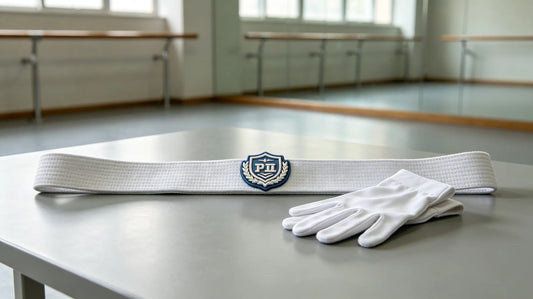
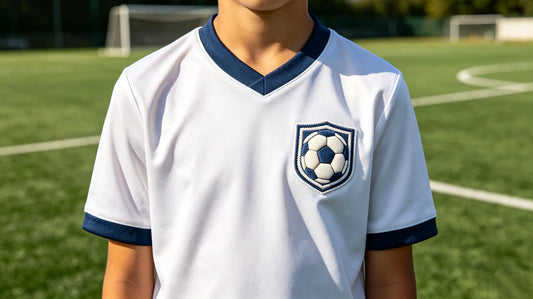
Shield shape is the representative of ceremonial patches, derived from traditional heraldic design. It carries the meaning of honor, defense and glory, and is the preferred shape for sports championship patches, team emblems, military style patches and organizational badges. The layered outline of the shield makes the whole patch more three-dimensional when combined with 3D puff craftsmanship, with strong visual impact.
Crest and medal shapes are similar to shield styles, with decorative arcs and layered outlines on the top. They are often used for award patches, commemorative patches and honor medals, full of ritual sense and collection value. Such shapes have fixed aesthetic rules, and the internal patterns and text layout need to coordinate with the outline to achieve the best effect.
These formal badge shapes are mostly matched with merrow overlock edges, which reinforce the outline and improve durability. They are not limited to uniforms, and also work well on tactical gear and outdoor equipment to highlight team identity.
Creative Irregular & Cutout Shapes (Fashion & Personality)
Irregular shapes break the restriction of standard outlines and are the favorite of fashion brands, streetwear, subculture and personalized custom orders. Free outlines follow the trend of the pattern itself, such as animal silhouettes, plant outlines, cartoon character shapes and graffiti borders. This kind of patches are highly recognizable and can make ordinary clothes and bags unique at a glance.
Cutout patches add hollow design on the basis of basic shapes. Partial hollow areas reduce the overall heaviness of large patches and make the design more layered and exquisite. Common cutout designs include hollow corners, hollow edges and internal pattern hollowing. They are widely used on fashion apparel, limited-edition merchandise and art themed patches.
Special note for 3D puff patches: Do not design too many tiny hollow parts. The foam layer inside the 3D structure is easy to expose at fine cutouts, which affects the appearance and firmness. Keep the hollow area large and concise to ensure both beauty and durability.

Special Long Strip & Mini Shape Categories
Long strip patches are designed for narrow spaces. With narrow width and long length, they are mainly used for sleeve sides, hat brims, bag straps and edge decoration. They are perfect for displaying single-line slogans, names, numbers and simple patterns. When making 3D puff long strips, control the thickness properly to avoid bending and deformation during use.
Mini small shapes include tiny circles, small squares and mini icons. Their size is generally below 3cm, used for scattered matching decoration. Multiple mini patches combined together can form a rich collage style, popular on backpacks, denim clothes and casual hats. Mini 3D patches need to simplify details properly to ensure clear presentation of patterns.
Shape Selection Tips for Different Application Scenarios
For all kinds of hats and curved surface products, prioritize round, oval and small irregular shapes. Avoid large square patches with sharp corners, which are prone to warping and poor fitting.
For formal uniforms, work clothes and school costumes, choose square, rectangle, oval and shield shapes. These standard shapes maintain a neat and unified team image, suitable for bulk unified customization.
For jackets, hoodies and large area decoration, you can choose large square, rectangle, shield and oversized irregular shapes. The flat and wide surface can bear various large outline designs, showing rich personality.
For backpacks, tactical vests and outdoor gear, square, 7cm standard tactical shapes and shield patches are the most practical. They match the size of velcro panels and are convenient for repeated disassembly and combination.
For fashion clothing, gifts and creative merchandise, freely use irregular shapes and cutout designs to highlight unique brand style and personalized creativity.

Matching Skills with 3D Puff Craftsmanship
3D puff patches have raised foam inside, so the shape design needs to cooperate with the three-dimensional structure. For regular round, square and oval shapes, the overall stress is uniform, and the 3D raised effect can be kept complete for a long time, which is the most compatible choice.
For shield and badge shapes with changing outlines, keep the foam thickness uniform at the corners and arcs to prevent partial collapse. Do not design overly sharp corners for 3D patches. Sharp parts are easy to be squeezed and worn, leading to thread loss and shape damage.
For irregular and cutout shapes, reduce the foam thickness appropriately. Medium or thin 3D puff is more stable than ultra-thick style, effectively avoiding outline deformation caused by uneven force.
Common Mistakes When Choosing Patch Shapes
The first mistake is applying large square patches on hats and other curved surfaces, resulting in continuous warping and poor fitting. Second, designing too many tiny cutouts and sharp corners on 3D puff patches, which easily cause foam exposure and thread breakage.
Third, using overly fancy irregular shapes for team uniforms and formal occasions, which destroys the overall rigorous style. Fourth, matching ultra-long strip 3D patches on frequently bent positions such as sleeve joints, leading to frequent bending and deformation.
Fifth, ignoring edge processing for irregular patches. Complex outlines must adopt reinforced overlock edges, otherwise the edges will fray quickly after friction. Before confirming the shape, combine the usage position and craftsmanship to make comprehensive judgment.

Final Patch Shape Guide Summary
Patch shape is an indispensable part of custom design. Classic regular shapes are stable, practical and widely applicable for formal use and bulk orders. Shield and badge shapes carry honor and ritual sense, ideal for emblems and commemorative patches. Creative irregular and cutout shapes release personality, catering to fashion and trendy styles.
When choosing shapes, you need to combine usage scenarios, wearing surfaces and 3D puff craftsmanship. Reasonable outline design can not only beautify the appearance, but also improve the durability and fitting effect of patches. Mastering the characteristics of various shapes will make your custom design more professional and targeted.
No matter which shape you choose, matching exquisite embroidery, standard size and qualified backing will create high-quality 3D puff patches that meet all expectations.
Frequently Asked Questions
Q1: What is the best shape for patches on baseball caps?
A: Round and oval shapes fit the curved surface best, not easy to warp.
Q2: Which shape is most suitable for team honor badges?
A: Shield shape is the classic choice for honor badges and team emblems.
Q3: Can I make a lot of hollow cutouts on 3D puff patches?
A: It is not recommended. Too many tiny cutouts will expose internal foam and affect durability.
Q4: What shape to choose for slogan and text patches?
A: Rectangular and long strip shapes are the most suitable for displaying text content.
Tags:
Previous
Custom Patch Size Guide: Standard Dimensions for Hats, Shirts, Jackets & Bags
Next
Embroidery Thread Types for Custom Patches: Material, Color & Performance Guide