Custom Patch Size Guide: Standard Dimensions for Hats, Shirts, Jackets & Bags
Designing a perfect custom 3D puff embroidered patch is not only about great patterns and colors—size matching determines the final visual effect more than you think. Many customized patches look unprofessional simply because of inappropriate dimensions: oversized patches look bulky and crowded, while undersized ones lack visual impact and cannot display design details clearly.
Different application scenarios have fixed universal standard patch sizes. Hats, shirt chests, sleeves, jacket backs, backpacks and uniforms all have exclusive size ranges that conform to aesthetic and wearing habits. Whether you are customizing personal fashion patches, team uniform emblems, tactical gear decorations or retail merchandise, following standard sizing rules will help you get a harmonious and attractive finished look. This detailed size guide sorts out universal dimensions for all mainstream uses, along with practical design tips. Reliable custom 3D embroidered patches offers professional size suggestions to match your patches with different items perfectly.

Why Correct Patch Size Matters
Size is one of the most basic yet easily ignored elements during customization. An ill-fitted patch will ruin the overall style no matter how exquisite the design is. When a patch is too big, it will warp on curved surfaces like hats and sleeves, and bring discomfort during movement. It also covers too much fabric and breaks the original layout of clothes and bags.
If the patch is too small, complex logos, text and decorative patterns will become blurry and hard to recognize. The decorative effect will be greatly reduced, failing to highlight your brand, team identity or personalized style. Besides, unified size is especially important for bulk orders such as uniforms and team gear. Consistent dimensions ensure neat and standardized visual presentation for the whole group.
Getting the size right at the first time also avoids repeated modification and remaking, saving your time and extra costs. Learning these standard sizes will make your customization process much smoother.
Standard Patch Sizes for All Types of Hats
Hats feature curved surfaces and limited space, so patch sizes need to be strictly controlled to fit the radian and structure. Baseball caps are the most common choice, and the front main patch is generally set between 3.5cm and 5cm. This range delivers strong visual presence without warping or falling out of shape. Small decorative patches on the two sides of the cap are recommended at 2.5cm to 3.5cm, which act as subtle embellishments without creating a messy look.
For the adjustment strap at the back of caps, ultra-small patches from 2cm to 3cm are the best pick, suitable for simple icons, year marks or short text. Knitted beanies and winter hats prefer patches within 4.5cm. Since knitted fabric is soft and stretchy, overly large patches will affect the wearing experience. Bucket hats have a relatively larger surface area, so the front patch can be expanded to 4cm to 5.5cm, and scattered side patches keep the size around 3cm.
Tactical caps and sports visors stick to compact sizes. Most tactical logo patches range from 3cm to 4.5cm, matching the velcro panels on the gear. Remember that square patches are more likely to warp on curved hat surfaces, so round, oval and shield shapes are better choices when you need to use larger sizes.

Ideal Sizes for T-Shirts, Shirts & Uniforms
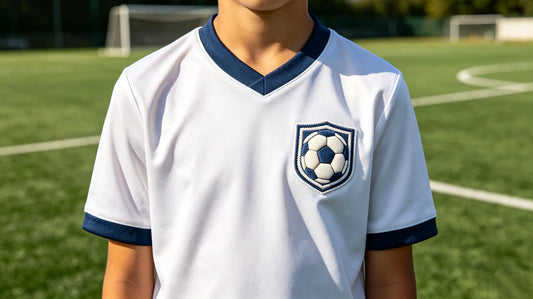
Chest position is the most classic placement for patches on tops. For ordinary T-shirts, casual shirts and daily uniforms, the standard chest patch size is 4.5cm to 6cm. This size sits naturally on the left or right chest area, presenting a formal and neat effect for team emblems, brand logos and school badges.
Sleeve patches come in two common specifications. Small emblem patches on upper sleeves are usually 3.5cm to 4.5cm, which are widely used for auxiliary logos, honor marks and activity symbols. Long strip patches with slogans or names can be made within 3.5cm by 9cm, fitting the vertical layout of sleeves well.
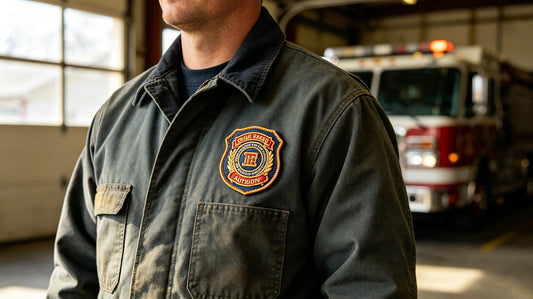
For formal work uniforms and school uniforms, it is better to stick to fixed standard sizes to keep all garments unified. Avoid oversized patches on formal outfits, as they will look unrefined and affect the neat style. If you need to add multiple patches on one piece of clothing, keep each unit within the recommended range and leave proper gaps between them.
Size Reference for Jackets, Hoodies & Outerwear
Jackets, hoodies and denim coats have larger surface areas, allowing more flexible size choices. The back of jackets is the most popular position for large creative patches. The mainstream size for full back decoration is 12cm to 18cm, enough space to display complex patterns, large logos and combined designs. Such large patches become the visual focus of the whole outfit, which is favored by streetwear, band merchandise and personalized fashion styles.
Medium-sized patches from 6cm to 10cm are suitable for the chest and shoulder areas of jackets. They balance recognition and simplicity, working well for brand marks and team logos. When making 3D puff patches for thick outerwear, do not blindly pursue extra large sizes. Ultra big 3D patches will be heavy and easy to deform after long-term wearing and extrusion.
Lightweight hoodies follow similar sizing rules with casual jackets. For thin fabric hoodies, choose slightly smaller sizes to prevent the fabric from sagging due to the weight of patches.

Recommended Sizes for Backpacks, Bags & Luggage
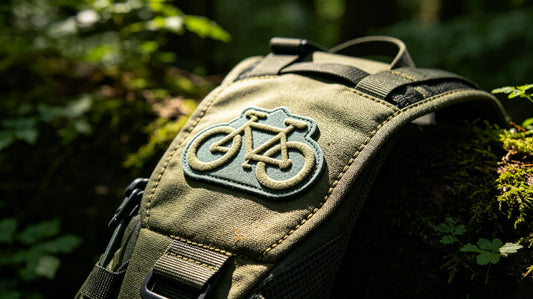
Backpacks, tactical bags and travel luggage have diverse patch placement areas with different size requirements. The main large area on the front of backpacks usually matches patches of 7cm to 10cm. This size stands out clearly and becomes the core decoration. Multiple small patches are often matched around the main patch for a layered look, and these mini patches are controlled at 3cm to 5cm.
Shoulder straps and side pockets of bags are narrow spaces, so patches here should be compact, within 4cm. Long strip text patches are also great choices for strap decoration. Tactical backpacks are equipped with standard velcro panels, and most panels fit square patches of 7cm by 7cm or rectangular patches of 5cm by 8cm, which are the universal sizes for tactical morale patches.
For luggage and large travel bags, you can use patches from 6cm to 9cm. Proper size makes the logo or personalized mark easy to identify, and will not be damaged easily during transportation and friction.
Special Sizes for Tactical & Morale Patches
Tactical patches have formed relatively unified size standards in the industry, matching the velcro system of tactical vests and gear. The most universal standard size is 7cm square, which fits most main velcro panels on tactical vests and backpacks. Rectangular patches sized 5cm by 8cm are also widely used for main identity marks and team emblems.
Vertical long patches for slogans and mottos are generally 3.5cm wide and 9cm long, perfectly adapting to the narrow vertical panels on tactical gear. Mini square patches of 4cm by 4cm are used for scattered decoration on shoulders, hat sides and bag corners. Round emblem patches for tactical teams are made with a diameter between 4.5cm and 6cm, keeping a classic and formal visual effect.
When designing tactical 3D puff patches, follow the standard sizes strictly. Non-standard dimensions may lead to failure to attach to the velcro panels, affecting normal use.

Size Tips for 3D Puff Patches Specifically
Compared with flat embroidered patches, 3D puff patches have extra foam thickness, so you need to make slight adjustments on the basis of standard sizes. For small and medium sized 3D patches within 6cm, you can completely follow the universal size rules, as the moderate thickness will not cause problems.
For large 3D puff patches over 10cm, properly reduce the overall size. Too large raised patches will bear uneven force during extrusion and friction, leading to foam collapse and shape distortion. Meanwhile, avoid making ultra-small 3D patches below 2.5cm. Tiny size limits embroidery details, and the 3D effect will not be presented well.
If your design contains lots of fine text and tiny patterns, appropriately enlarge the overall patch size to ensure all details are clear and recognizable after embroidery. This is an important detail easily overlooked in 3D patch customization.
Common Size Mistakes to Avoid
Many unsatisfactory customization results come from wrong size choices. The first common mistake is using oversized square patches on hats. The hard corners and large area cannot fit the curved surface, causing persistent warping. Second, applying extra large 3D puff patches on thin T-shirts and knitted clothes, which leads to fabric sagging and wearing discomfort.
Third, making patches too small for complex designs. Dense text and delicate patterns will turn into blurred blocks after production. Fourth, mixing random sizes in bulk uniform orders. Inconsistent dimensions make the whole team look messy and unprofessional. Fifth, ignoring the thickness of 3D foam and designing super large raised patches, which are easy to be damaged in daily use.
Before confirming production, you can draw a size draft and place it on the actual item for simulation. This simple step can effectively avoid most size errors.

Final Size Guide Summary
Selecting the right size is the foundation of making high-quality 3D puff embroidered patches. Different items including hats, tops, jackets and bags have their own mature standard size ranges. Following these universal dimensions can ensure balanced proportion, clear details and comfortable wearing experience.
For daily casual decoration, fashion outfits and retail merchandise, you can make slight adjustments based on standard sizes according to personal preferences. For team uniforms, tactical gear and group bulk orders, it is strongly recommended to stick to fixed standard sizes to guarantee overall unity and professionalism.
Combining reasonable size, exquisite design and qualified craftsmanship will create custom patches that meet all your expectations. Mastering these sizing rules will simplify your customization work and improve the final presentation effect greatly.
Frequently Asked Questions
Q1: What is the most common size for baseball cap front patches?
A: 3.5cm to 5cm is the most popular and balanced size.
Q2: What size is suitable for logo patches on shirt chest?
A: 4.5cm to 6cm is the standard size for chest emblems and logos.
Q3: Can I make extra large 3D puff patches for jacket backs?
A: You can choose 12cm to 18cm, but avoid overly big sizes to prevent foam deformation.
Q4: What is the standard size for regular tactical velcro patches?
A: 7cm square and 5cm×8cm rectangle are the two mainstream sizes.
Tags:
Previous
Best Ways to Wash & Care for 3D Puff Embroidered Patches | Full Maintenance Guide
Next
Custom Patch Shapes Guide: Popular Styles, Design Tips & Application Ideas