Custom Patch PVC Patch Complete Guide | Production Craft, Thickness Options, Backing Choices & Usage Scenarios
PVC rubber patches are manufactured via liquid rubber injection molding, totally different from needle stitching technology of embroidered patches. The integrated molded structure brings outstanding waterproof, oil-proof and anti-abrasion advantages that embroidery cannot match, which makes PVC widely used in humid outdoor environment, water sports equipment and daily waterproof accessories. However, PVC has inherent limitations on ultra-fine tiny text and gradient color printing, improper craft selection will waste customization budget. Mastering PVC material characteristics helps customers distinguish applicable and unsuitable design demands rationally.
Custom 3D embroidered patches supports custom PVC rubber patch orders with flexible thickness adjustment and full range backing upgrade service alongside traditional embroidered customization.

Part 1: PVC Core Injection Molding Production Process
Step1: Mold Opening According To Artwork
Manufacturer carves concave metal mold based on confirmed design; mold precision decides PVC edge smoothness and detail definition, the core cost of PVC customization concentrates on mold development expense.
Step2: Liquid Color PVC Raw Material Filling
Different colored liquid rubber is injected into independent mold slots respectively to form separated solid color blocks, PVC cannot realize natural gradual color transition like fabric printing.
Step3: High-Temperature Curing Shaping
Mold is heated under fixed temperature to solidify liquid rubber into fixed three-dimensional patch body, then demold to get finished semi-product.
Step4: Post Processing & Backing Lamination
Trim excess burr on patch edge and attach selected backing layer including Velcro, iron-on, self-adhesive or raw sew-on base.

Part 2: Three Standard Industrial PVC Thickness Specifications
- 2mm Thin PVC (Lightweight Default Option)
Light soft texture, flexible bending without cracking, cost-efficient for small hat logo patches, notebook decoration; not recommended for large oversized design easy to warp.
- 3mm Medium PVC (Most Popular Universal Grade)
Factory mainstream default thickness, balanced hardness and flexibility, suitable for 90% tactical morale patches, backpack decoration and regular apparel emblems.
- 4mm+ Heavy-Duty Thick PVC (Premium Upgrade)
Solid rigid structure, prominent three-dimensional concave-convex texture, excellent anti-extrusion property, ideal for large-size biker emblem and outdoor heavy-use gear marking.

Part3: Four Available Backing Options For PVC Patches
- Raw Sew-On Base: No adhesive layer on reverse side, flat neat for permanent stitching on formal garments; best for long-term fixed uniform decoration.
- Heat Activated Iron-On Backing: Hot melt glue laminated on rear side for home iron installation, fit casual short-term clothing attachment.
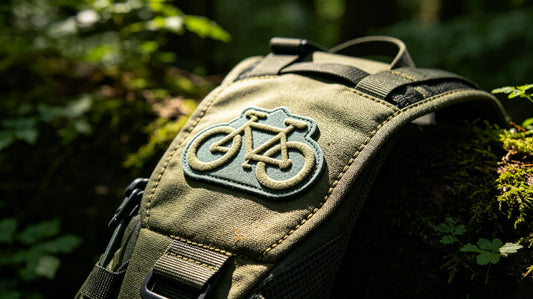
- Hook Side Velcro Backing: Top pick for removable tactical morale patches, convenient frequent replacement on vests and backpack loop fabric.
- Self-Adhesive Peel & Stick: Temporary indoor decoration only, not resistant to long-term damp and repeated washing.
Part4: Core Advantages & Shortcomings Of PVC Rubber Patches
Main Advantages
- Full waterproof & oilproof: Zero water penetration, no fading or color bleeding even after long-time soaking, perfect for swimming, diving related gear.
- Super flexible anti-drop: Rubber material resists extrusion and falling damage, far tougher than embroidered twill base.
- Vivid solid color: Pure pigment rubber presents saturated bright color, no loose thread risk forever.
Main Disadvantages
- Unable to produce ultra-fine tiny lettering below 2mm, narrow lines easily fuse together during injection.
- No gradient color available, every single hue needs independent mold cavity.
- Slightly thicker than flat embroidery, not suitable for slim close-fitting formal business uniform.

Part5: Suitable & Unsuitable Custom Scenarios For PVC
Priority Choose PVC
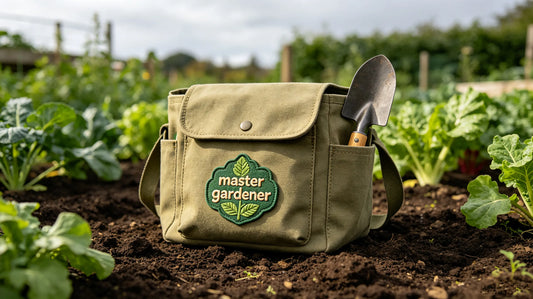
- Tactical morale patches, airsoft and outdoor camping gear accessories
- Water sports, diving, fishing equipment waterproof marking emblems
- Kids clothing, bags, toys decoration (soft rubber safe for skin contact)
- Promotional gift items, bottle, luggage brand custom labels
Better Switch To Embroidery
- Formal corporate office slim-fit uniform chest logos with small fine text
- Ultra-mini collar emblem below 1.5 inches with dense tiny font
- High-end vintage style apparel requiring natural fabric matte texture
Part6: Common PVC Customization Mistakes To Avoid
- Design ultra-fine small words less than 2mm for PVC → lines merge into messy solid lump after molding
- Select 2mm thin PVC for oversized back vest patch → finished product prone to bending and warping
- Expect gradient multi-color effect on standard PVC → impossible via injection craft, need extra expensive printing upgrade
- Apply thick 4mm PVC on slim formal uniform → bulky uneven surface destroying formal apparel appearance

Final Summary Core Rule
3mm medium PVC = universal most cost-effective option; thin 2mm for small mini decor, thick 4mm for heavy-duty large emblem; PVC excels at waterproof outdoor use, embroidery dominates fine-text formal uniform; solid color only for standard PVC, ultra-fine text avoids PVC craft; match backing with actual fixed or removable usage demand.
Distinguish PVC and embroidery characteristics is the prerequisite of cost-efficient patch customization.
Frequently Asked Questions
Q1: Are PVC patches fully waterproof?
A: Yes, integrated rubber molded PVC is completely waterproof and will never bleed color after soaking.
Q2: What is the most common default thickness for regular PVC morale patches?
A: 3mm medium thickness is factory standard specification for most daily PVC orders.
Q3: Can PVC patches make gradient blended colors?
A: Regular injection PVC cannot realize gradient, special surface printing upgrade is required with extra cost.
Q4: Is PVC or embroidery better for formal business uniform logos?
A: Embroidered patches are flatter and more elegant for formal slim-fit office uniforms.
Tags:
Previous
Custom Patch Sample Policy Guide | Pre-Production Sample Types, Cost, Lead Time & Free Sample Rules
Next
Custom Woven Patches Guide | Weaving Craft, Density, Size Limit, Color Rules & Application Tips