Heat Cut vs Merrow Edge Patches: Border Types, Pros & Best Use Cases
Patch edge finish directly impacts durability, overall appearance and final production cost. Merrow edge and heat cut edge are the two most widely adopted edging processes for embroidered and woven patches worldwide. Many customers cannot distinguish their features and select inappropriate borders, leading to loose fraying edges or inconsistent visual effects after long-term wear.
This complete guide systematically contrasts merrow wrapping edge and heat sealed cut edge from appearance, production craft, durability, cost, shape limitation and applicable scenarios, helping you make accurate border selection for custom patch orders. Custom 3D embroidered patches supports both merrow and heat cut edging for all patch crafts including embroidery, woven and PVC.

Basic Craft Introduction
Merrow Edge (Wrapped Stitch Border)
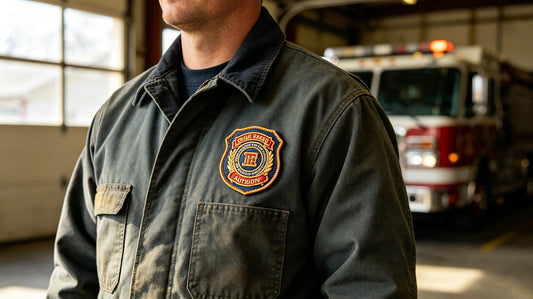
Merrow edge uses special merrow sewing machine to wrap thick colored threads around the full perimeter of patch base fabric. The entire edge is tightly covered by continuous wrapped stitches, forming a prominent raised thread border. Thread color can match main patch tone or use contrasting colors for highlighting outline. Mostly applied for embroidered patches.
Heat Cut Edge (Thermal Sealed Edge)
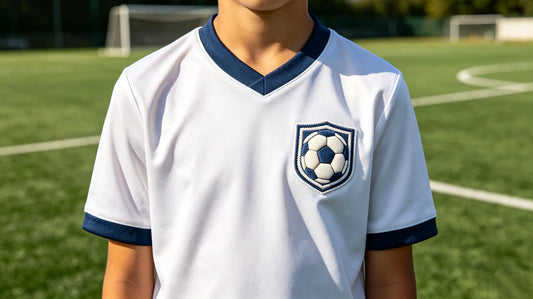
Heat cut adopts high-temperature laser or hot knife to cut patch outlines, instantly melting and sealing fabric fiber to prevent loose thread fraying. No wrapped stitching on perimeter, edge keeps flat smooth and consistent with patch base level. Available for embroidered, woven and most fabric-based patch styles, ideal for irregular complex outlines.
Core Comparison Between Two Edge Treatments
1. Visual Appearance
- Merrow Edge: Thick protruding thread border, three-dimensional outline, classic retro rugged style, obvious boundary between border and patch main body, strong layered sense.
- Heat Cut Edge: Flat seamless edge, no extra raised thread, minimalist sleek look, pattern extends naturally to patch perimeter, neat concise modern aesthetic.
2. Shape Limitation
- Merrow Edge: Restricted for regular shapes only including round, oval, shield, rectangle and standard arcs; complicated irregular, hollow or sharp contoured outlines cannot wrap merrow thread neatly.
- Heat Cut Edge: Almost zero shape limitation, supports all irregular silhouettes, hollow design, jagged outlines and free custom shapes, flexible for creative personalized designs.
3. Wear Resistance & Durability
- Merrow Edge: Thick wrapped thread greatly blocks edge abrasion, outstanding anti-fray performance, stands long-term repeated friction and frequent washing, top choice for high wear scenarios.
- Heat Cut Edge: Thermally sealed fiber prevents fraying normally; long-term heavy friction or high-frequency washing may have partial tiny fiber loose at edge, durability inferior to merrow.
4. Production Cost
- Merrow Edge: Extra merrow sewing procedure raises unit cost, higher pricing compared with heat cut, more economical for large bulk regular-shaped orders.
- Heat Cut Edge: One-step cutting molding saves secondary stitching cost, lower unit price, cost-friendly for small batch and irregular custom shapes.
5. Color Matching Flexibility
- Merrow Edge: Separate thread color for border, can pick contrasting color to highlight outline or identical color for hidden border effect.
- Heat Cut Edge: Edge color is consistent with base fabric tone, unable to add independent contrasting border color.

Advantages & Disadvantages Breakdown
Merrow Edge Patches
Pros
- Ultra high anti-fray durability, long service life under heavy friction.
- Classic vintage look enhances patch three-dimensional texture, iconic for traditional biker and club patches.
- Customizable contrasting border color to frame core patterns prominently.
Cons
- Cannot produce irregular freeform outlines, strict shape restriction.
- Higher production cost than heat cut edging.
- Thick wrapped border slightly increases overall patch thickness.
Heat Cut Edge Patches
Pros
- Full freedom for any custom irregular and hollow-out shapes, ideal for creative graphic designs.
- Flat slim profile fits tight apparel without bulging, perfect for formal uniforms and close-fitting garments.
- More affordable pricing for all order quantities, especially small customized batches.
Cons
- No independent colored border, unable to add contrasting outline decoration.
- Edge sealing layer may wear down under extreme long-term abrasion, causing minor fraying.

Recommended Application Scenarios
Choose Merrow Edge If:
- Custom classic biker patches, motorcycle club emblems and retro tactical morale patches requiring rugged vintage texture.
- Work uniforms, outdoor labor gear and sportswear with frequent washing and high daily friction.
- Regular round, shield, rectangular patches needing contrasting colored border to highlight logo outline.
- Long-term fixed sew-on patches that pursue maximum edge durability.
Choose Heat Cut Edge If:
- Irregular animal silhouette, cartoon, custom freeform shaped patches with complex contours.
- Formal corporate, school and high-end brand uniforms preferring slim minimalist flat appearance.
- Woven fine detail badges and mini size patches below 4cm, merrow border looks bulky on tiny emblems.
- Short-term event promotional patches and small-batch personalized custom orders focusing on cost control.

Craft Matching Tips By Patch Type
- Flat & 3D Puff Embroidered Patches: Both merrow and heat cut available; regular outline pick merrow, irregular design choose heat cut.
- Woven Patches: Prioritize heat cut edge, merrow border easily overshadows delicate thin woven details.
- PVC Rubber Patches: Natural molded smooth edge, no need extra merrow or heat cut processing.
Common Custom Mistakes To Avoid
- Select merrow edge for complex irregular shaped patches leading to messy uneven wrapped thread and defective finished products.
- Apply heat cut edge on heavy-use biker vest patches which wear heavily, causing premature edge fray after months of riding friction.
- Order merrow border for mini woven badges under 3cm, resulting in oversized thread border covering partial small text details.
Final Summary
Merrow Edge = Thick wrapped border, durable retro look, regular shapes, high abrasion scenarios
Heat Cut Edge = Flat smooth sealed edge, unlimited irregular shapes, minimalist style & cost saving
Confirm patch outline shape and usage environment first before choosing edge finish: regular shape with long-term wear demands select merrow; irregular creative design or slim formal uniforms go with heat cut.

Frequently Asked Questions
Q1: Which edge is more durable after repeated washing?
A: Merrow wrapped edge has superior anti-fray durability than heat cut edge.
Q2: Can merrow edge be used for irregular custom shapes?
A: No, merrow cannot wrap neatly for complex irregular contours, choose heat cut instead.
Q3: Which edge costs less for custom patches?
A: Heat cut edge is cheaper in production cost compared to merrow edge.
Q4: What edge is standard for traditional biker patches?
A: Merrow wrapped edge is the classic standard for biker themed embroidered patches.
Tags:
Previous
Woven Patches Complete Guide: Features, Design Rules & Best Applications
Next
Custom Iron On Patches: Production, Application & Troubleshooting Guide