Woven Patches Complete Guide: Features, Design Rules & Best Applications
Woven patches are a refined lightweight alternative to traditional embroidered patches, manufactured by interlacing ultra-fine polyester yarns on professional weaving looms. Unlike stacked-thread embroidery, woven fabric forms patterns through tight warp and weft yarn arrangement, enabling sharp miniature text and intricate graphic details impossible to replicate with standard embroidery work.
Preferred by formal enterprises, high-end apparel brands, school uniforms and luxury merchandise designers, woven patches remain a top pick for projects requiring slim profile and precise graphic reproduction. Most new buyers confuse woven with embroidered crafts and make wrong custom choices. This detailed guide breaks down woven patch core advantages, design restrictions, backing options and suitable application scenarios. Custom 3D embroidered patches supplies high-precision woven patch customization matching brand and uniform demands.

Core Characteristics of Woven Patches
1. Ultra-Thin Flat Structure
Woven patches feature extremely slim thickness close to ordinary woven cloth, far thinner than flat embroidered and 3D puff patches. After attachment on garments, no obvious bulge or raised outline, ideal for close-fitting formal attire that demands sleek surface.
2. Superior Tiny Detail Restoration
The biggest competitive advantage: ultra-fine yarn can reproduce micro font, delicate logo lines and compact complex patterns. Text height as low as 2mm remains legible, a capability regular embroidery cannot achieve.
3. Soft Fabric Texture
Flexible cloth base fits curved surfaces of hats, collars and tailored clothing seamlessly without hard edges or uncomfortable protrusions against skin.
4. Stable Color Fastness
Dyed polyester yarn ensures consistent color across bulk orders, resistant to gradual fading after repeated cold water washing and daily wear.
Limitations of Woven Patches
- Lack prominent three-dimensional raised effect; all designs stay flat without embossed layering like embroidery or PVC.
- Large area solid color blocks cost higher than standard embroidery, less economical for oversized full-color patches over 9cm.
- Unable to create 3D puff raised effect, not fit for styles pursuing bold stereo visual impact such as biker retro patches.

Key Design Specification Standards
Text & Line Rules
- Minimum readable font height: 2mm, perfect for small brand tag letters and abbreviated team initials.
- Thinnest viable design line width: 0.3mm, supporting intricate logo contour lines.
- Avoid oversized bold solid color blocks exceeding 6cm*6cm, which increases weaving production cost drastically.
Shape & Border Design
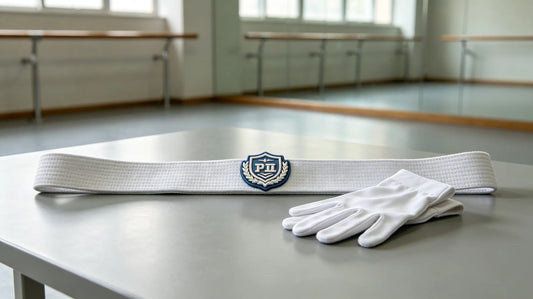
- Common shapes: Round, oval, shield, rectangle, custom contoured cut edges. Heat cut edge is mainstream finish for woven patches; merrow border optional for wear-intensive uniforms.
- Irregular free outlines available via laser cutting after weaving for personalized small emblems.
Color Matching Tips
- Recommended color count: 2~6 colors to balance visual effect and manufacturing expense. Excessive color varieties raise loom setup fees.
- Gradient blending unavailable; woven crafts adopt solid separated color blocks only, no gradual color transition.
 Four Common Backing Options for Woven Patches
1. Sew-On Backing (Formal Uniform Standard)
No extra adhesive coating on reverse side, sewn directly along patch perimeter onto fabric. Highest durability against frequent washing, primary option for corporate uniforms, school blazers and official team apparel.
2. Iron-On Hot Melt Backing
Heat activated glue layer on the back, quick home iron installation without stitching tools. Suited for short-term event costumes, seasonal promotional clothing; limit repeated high-temperature laundry to prevent edge peeling.
3. Velcro Hook Backing
Combine thin woven front with hook velcro base for detachable use, perfect for tactical uniform identification labels and interchangeable activity badges. Matching fabric loop panel sewn onto target gear beforehand.
4. Self-Adhesive Sticky Backing
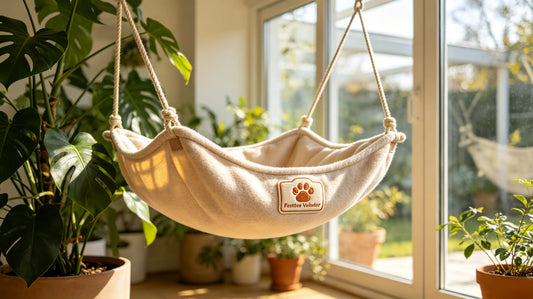
Disposable peel-and-stick adhesive layer, exclusively for non-wear product labeling, gift box tags and temporary non-fabric decoration, never for clothing long-term use.
Best Recommended Application Scenarios
1. Formal Business & Brand Uniforms
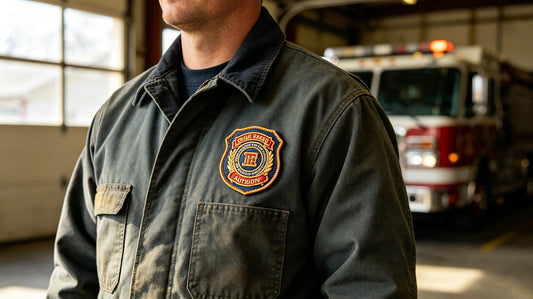
Financial, consulting, luxury retail brand employee uniforms need low-key neat identity emblems; slim woven patches on left chest avoid bulky appearance and preserve formal garment aesthetics.
2. School & Academy Uniform Badges
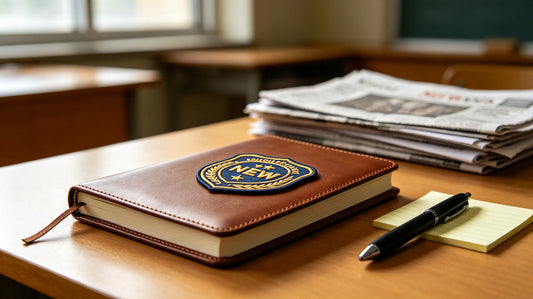
Primary, middle and high school crest badges with intricate campus logos, small motto texts and mascot fine lines. Woven perfectly restores tiny school slogan details unavailable via embroidery.
3. High-End Apparel Brand Labels
Inner neck tag, side seam mini brand emblems for designer hoodies, denim and premium casual wear, replacing printed tags for upgraded product grade.
4. Mini Hat & Accessory Decoration
Small sized woven patches below 5cm for cap side panels, wallet corners and canvas bag small decorative marks, subtle personalized embellishment without cluttering design.
5. League & Official Sports Auxiliary Badges
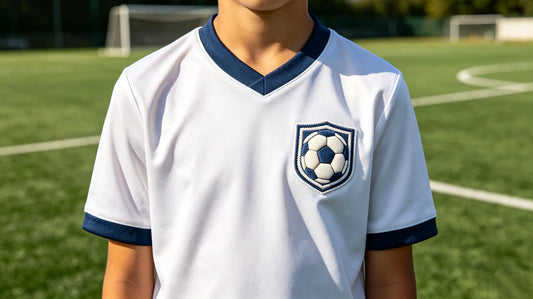
Small league regulation badges stitched on jersey sleeves; compact size and crisp text comply with official sports uniform standard requirements.
Unsuitable Scenarios to Avoid
- Oversized back vest main logos over 9cm (poor cost performance and no stereo texture)
- Outdoor all-weather rainproof tactical gear requiring waterproof function (fabric base absorbs moisture easily)
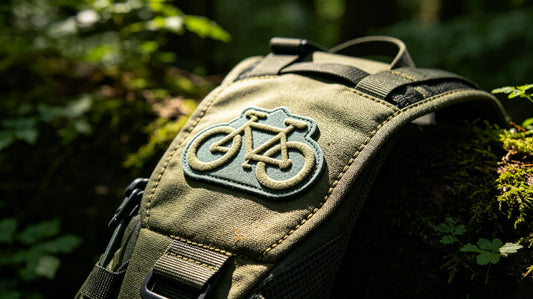
- Retro biker and streetwear pursuing thick raised thread texture (flat woven cannot deliver vintage rugged look)

Daily Care & Washing Guidance
- Machine wash in cold gentle cycle, turn clothing inside out before cleaning to reduce patch surface friction.
- Skip high-heat tumble drying; hang natural air dry to prevent backing adhesive melting for iron-on variants.
- Iron-on woven patches prohibit direct high-temperature iron pressing on front surface to protect fabric weave and glue layer.
Frequent Customization Mistakes to Prevent
- Design oversized full solid-color large woven patches leading to unnecessary high production cost; switch to embroidery for large solid color blocks instead.
- Set font height below 2mm for mass production resulting in blurred unreadable text after weaving.
- Select woven patches for outdoor long-term exposed gear requiring waterproof property.
- Expect three-dimensional raised effect from woven crafts, mismatching design expectation with craft capability.
Final Summary
Woven patches core positioning: ultra-thin, high-detail flat emblem for formal and refined customization.
Choose woven when your design contains micro text, intricate fine lines and requires slim invisible attachment effect; pick embroidery or PVC for large solid color, 3D stereo and waterproof demands. Reasonable design size and color quantity effectively control custom cost while maximizing woven craft advantages.

Frequently Asked Questions
Q1: What is the minimum legible font size for woven patches?
A: Standard minimum legible font height is 2 millimeters.
Q2: Are woven patches thinner than regular embroidered patches?
A: Yes, woven is significantly slimmer and flatter compared with flat embroidery.
Q3: Which backing works best for school uniform woven badges?
A: Sew-on backing is the most durable long-term choice for school uniforms.
Q4: Can woven patches produce gradient color effects?
A: No, woven crafts only support separate solid color blocks without gradual color transition.
Tags:
Previous
Patch Sizing Guide: Standard Dimensions for Uniforms, Hats, Vests & Bags
Next
Heat Cut vs Merrow Edge Patches: Border Types, Pros & Best Use Cases