Guide to Morale Patches: Meaning, Styles & Collecting Culture
Morale patches, also known as mood patches or spirit patches, originated from military culture and have now become a mainstream trend among tactical enthusiasts, outdoor lovers and team groups. Different from formal identity patches, morale patches focus more on personality, humor, attitude and spiritual expression. They carry personal viewpoints, team vibes and fun elements, acting as a unique emotional symbol.
From tactical gear and outdoor equipment to daily hats and backpacks, morale patches can be seen everywhere. Many beginners are curious about their origin, style classification and matching rules. This guide comprehensively introduces the cultural background, mainstream styles, craft selection, wearing positions, design ideas and collecting culture of morale patches. Custom 3D embroidered patches supports personalized morale patch customization to meet creation and collection needs.

What Are Morale Patches & Their Cultural Meaning
Morale patches first appeared in military teams. Soldiers used small patches with interesting patterns and slogans to relieve tension, boost team spirits and build camaraderie, hence the name "morale".
Nowadays, they have evolved beyond military scenarios. For modern users, morale patches represent personal attitudes, hobbies and a sense of fun. Unlike official rank or team logo patches, they have no rigid rules. Users can freely choose, replace and match them to show individuality. For collectors, exchanging and collecting rare morale patches has also formed a unique circle culture.
Mainstream Popular Styles of Morale Patches
1. Slogan & Text Style
The most classic type. Short, powerful, humorous or inspirational phrases are the core content. Some are witty and playful, some are tough and domineering, and some carry positive attitudes. Fonts are diverse, including bold block fonts, retro fonts and creative distorted fonts. Most adopt simple color matching to highlight text content.
2. Cartoon & Mascot Style
Combine cute, cool or quirky cartoon images, animal mascots and stylized characters. This style breaks the serious tactical atmosphere, full of fun. It is favored by young enthusiasts and suitable for daily wearing and casual matching.
3. Tactical & Military Element Style
Inherit traditional military features, using camouflage patterns, weapons, equipment, military symbols and camouflage color schemes. The overall style is tough and low-key, popular among professional tactical fans.
4. Pop Culture & Trend Style
Draw inspiration from movies, games, anime and internet trends. Restore classic roles, scenes and iconic symbols. Strong topicality, easy to resonate with like-minded people, and high collection value for trend lovers.
5. Minimalist Icon Style
Use simple lines, geometric patterns, small icons and abstract symbols. The design is concise and low-key, not exaggerated, suitable for users who pursue understated personality. Small size and exquisite details are its characteristics.
6. Retro & Nostalgic Style
Adopt old color tones, retro textures and classic old patterns. Full of a sense of history, loved by senior collectors and users who like vintage styles.

Recommended Crafts & Backing for Morale Patches
Morale patches are mostly used on tactical gear, outdoor hats and backpacks, and frequent replacement is a common demand. The following crafts and backings are the most practical:
1. PVC Rubber Patches (Top Pick)
Waterproof, dustproof and wear-resistant, adapting to complex outdoor environments. Supports rich colors, embossed details and various irregular shapes. The surface is easy to clean, which fits the usage scenarios of tactical equipment perfectly. Most mass-produced morale patches adopt this craft.
2. Embroidered Patches
High-density flat embroidery and 3D puff embroidery are both available. Rich texture and strong three-dimensional sense, great for retro and tough styles. Merrow edge enhances durability, suitable for long-term fixed matching.
3. Woven Patches
Ultra-thin and flat, excellent performance for tiny text and delicate patterns. Ideal for minimalist text and small icon morale patches, low-key and exquisite.
4. Velcro Backing (Standard Configuration)
Nearly 90% of morale patches use hook and loop backing. It supports free disassembly and replacement, allowing users to change collocations according to mood and occasions. Sew-on loop panels are matched on gear for long-term use.
Other Backings
Sew-on backing is for favorite patches that are not frequently replaced; iron-on backing is only for temporary matching on daily clothes, not recommended for outdoor gear.
Classic Wearing & Placement Positions
1. Tactical Vests & Chest Rigs
The most common position. Arrange morale patches on the empty loop areas of the chest, abdomen and shoulders. Usually match 2 to 5 patches in combination, with staggered or neat layout. Avoid overcrowding that affects equipment use.
2. Outdoor & Tactical Hats
Place 1 to 2 small and medium-sized morale patches on the front, side or back of hats. Small icons and short slogan patches work best here, not blocking the view and highlighting personality.
3. Backpacks & Gear Bags
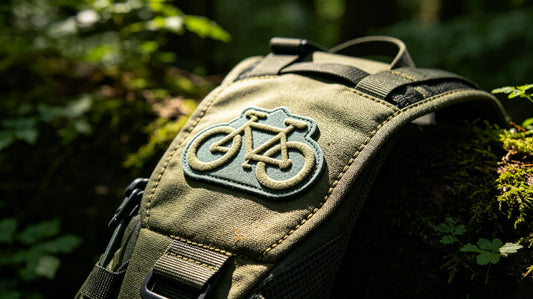
Stick patches on the front panel, shoulder straps and side pockets of backpacks. Large and medium-sized creative patterns are acceptable, with loose layout and strong display effect.
4. Jackets & Sleeves
Arrange on the upper arm and forearm of outdoor jackets. Choose medium-sized patches, and do not place them at elbow bending areas to prevent deformation during movement.
5. Collecting & Display
For collection purposes, arrange patches on dedicated display boards, patch books or storage frames, classified by style, theme and size for viewing and exchange.

Practical Custom Design Tips
1. Size Control
- Conventional mainstream size: 5cm–8cm, suitable for most positions of vests, hats and bags.
- Mini patches: Below 5cm, for collars, hat sides and multi-piece combination layout.
- Large patches: Above 8cm, only for large areas such as backpack fronts, not for dense gear positions.
2. Color Matching
- Tactical style: Camouflage, black, army green, khaki and other dark earth tones.
- Funny & cartoon style: Bright and rich colors to highlight lively atmosphere.
- Minimalist style: Monochrome or two-color matching, clean and neat.
3. Text & Pattern Design
- Slogan text: Keep sentences short and easy to read. Font height is not less than 3mm to ensure clarity from a distance.
- Complex patterns: Prioritize PVC material to restore details; avoid overly thin lines to prevent damage.
- Overall style unification: If making a series of patches, keep the color tone and design style consistent.
4. Shape Selection
Regular shapes such as square, round and oval are classic and versatile. Irregular special shapes, silhouettes and curved outlines are more personalized, suitable for creative themed designs.

Morale Patch Collecting & Exchange Culture
-
Classification CollectionMost collectors classify patches by theme: military series, game animation series, funny slogan series, limited edition series, etc. Reasonable classification is convenient for management and viewing.
-
Limited & Rare PatchesLimited-edition, event-exclusive and co-branded morale patches have higher collection value. Many enthusiasts will exchange or purchase rare patches through circle channels.
-
Patch Trading & GiftingExchanging spare patches with fellow enthusiasts is a mainstream way of communication in the circle. Custom exclusive patches as gifts are also a popular choice among friends.
-
Long-Term PreservationStore collected patches in dry and ventilated places. Separate velcro patches to avoid hooking other patterns. Avoid long-term extrusion and direct sunlight to prevent fading and deformation.
Common Mistakes to Avoid
- Designing overly long paragraphs of text on small morale patches, resulting in unreadable content.
- Using hard thick PVC patches at the bending joints of clothes and gear, affecting movement and easy to deform.
- Mixing too many styles and colors in a small area, leading to messy visual effect.
- Ignoring environmental adaptability and choosing low-density embroidery for outdoor frequently used patches, causing thread loosening.
- Making oversized patches for hat and shoulder positions, which look uncoordinated and hinder activities.

Final Summary
Morale patches take personality expression, fun and free matching as the core.
PVC with velcro backing is the most classic combination for tactical and outdoor use. Choose corresponding styles and sizes according to wearing positions and personal preferences. In addition to daily matching, morale patches also carry unique collecting and social culture.
Whether for personal use, team customization or collection, mastering design and matching rules can help you create and use morale patches better.
Frequently Asked Questions
Q1: What backing do most morale patches use?
A: Velcro hook and loop backing is the standard for easy replacement.
Q2: Which craft is best for waterproof outdoor morale patches?
A: Soft PVC rubber patches are the first choice.
Q3: What is the common size of regular morale patches?
A: 5cm to 8cm is the most widely used mainstream size.
Q4: Can morale patches be exchanged among enthusiasts?
A: Yes, patch exchange is a common culture in the collecting community.
Tags:
Previous
Motorcycle & Biker Patches: Styles, Placement & Custom Design Guide
Next
Sports Team Patches: Custom Designs, Uniform Placement & Craft Selection