PVC Rubber Patches: Features, Pros, Cons & Application Guide
Among all custom patch types, PVC rubber patches have become a mainstream choice favored by outdoor enthusiasts, tactical teams, fashion brands and collectors. Different from traditional fabric patches, they are made of soft rubber material, bringing unique touch, waterproof performance and full-color presentation capabilities.
Many buyers choose PVC patches simply because of their bright colors, but they are not clear about the material characteristics, applicable environments and limitations. For example, PVC may soften under high temperature, and overly thin designs are easy to deform. Understanding the strengths and weaknesses of this material can help you avoid design pitfalls and make the most of its advantages.
This comprehensive guide fully introduces PVC rubber patches, including production craft, core advantages, existing limitations, design specifications, backing matching and classic application scenarios. Whether you are preparing team customization, personal collection or brand peripheral production, you can get professional guidance here. Custom 3D embroidered patches provides high-quality PVC rubber patches with rich color and shape customization options.

Basic Introduction to PVC Rubber Patches
PVC patches, also called soft rubber patches, are produced by injecting liquid PVC material into customized molds, then curing and forming at a certain temperature. The whole piece is integrated rubber without stitching or weaving process.
The material itself is soft and elastic, with smooth surface and good flexibility. It can be made into flat patterns or raised 3D stereo effects. Relying on mature mold opening technology, PVC can realize almost all complex shapes, gradient colors and delicate pattern details, which is one of its biggest highlights.
Core Advantages of PVC Rubber Patches
1. Outstanding Waterproof & Dustproof Performance
This is the most prominent feature of PVC patches. The integrated rubber structure has no gaps, water and dust cannot penetrate inside. It can be washed directly with water, and stains can be wiped off with a damp cloth in seconds. It performs perfectly in rainy days, outdoor activities and dusty environments, far better than fabric patches.
2. Excellent Wear & Scratch Resistance
The rubber material has strong toughness, not easy to be scratched, worn or cracked under daily friction, collision and extrusion. It can maintain intact appearance for a long time even when attached to frequently used outdoor gear and tactical equipment.
3. Powerful Color & Detail Restoration
PVC supports full-color printing, gradient colors, color transition and complex color matching. Whether it is delicate portrait patterns, colorful cartoon designs or multi-layer color blocks, it can be highly restored. There is no color quantity limit like embroidered patches, so the visual expression is richer.
4. Flexible Shape & Free Contour Design
Relying on mold forming technology, PVC breaks the limitation of regular shapes. Irregular silhouettes, special curved outlines, hollow-out designs and three-dimensional protruding parts can all be realized. The shape creativity is almost unrestricted, very suitable for personalized and distinctive designs.
5. Good Elasticity & Fit
Soft rubber has certain elasticity, which can closely fit curved surfaces such as hats, vests and backpacks. It will not warp or crack after long-term bending, and the fitting effect is stable.
6. Easy Maintenance & Long Service Life
No loose threads, frayed edges or fabric aging problems. Daily maintenance is extremely simple, no need for special cleaning and care. Under normal use, the color and shape can be kept unchanged for many years.

Limitations & Disadvantages of PVC Rubber Patches
No material is perfect. Fully understanding the shortcomings can help you avoid inappropriate selection and design mistakes.
1. Slightly Affected by High Temperature
PVC material will gradually soften and become sticky when exposed to long-term high temperature or intense sunlight. In extreme high-temperature environments, the surface may deform and the adhesion of the backing will decline. It is not suitable for long-term use in high-temperature working scenes.
2. Special Touch Different from Fabric
PVC has a rubbery texture, without the soft cloth feeling of embroidery and woven patches. Some people will feel a slight foreign body sensation when wearing it on close-fitting clothes for a long time.
3. Higher Cost for Small-Batch Customization
Each PVC patch needs to open a dedicated mold. The one-time mold cost leads to higher overall price for small orders. Its cost performance is prominent only when the order quantity reaches a certain scale.
4. Not Suitable for High-Frequency Washing for a Long Time
Although it is waterproof, the adhesive of iron-on and self-adhesive backings will accelerate aging after repeated washing. Long-term frequent washing scenarios are not recommended to use adhesive backings.
5. Limited Texture Expression
It can create three-dimensional protrusion, but cannot present the unique thread texture and handmade feeling of embroidered patches. It is slightly inferior in creating retro and classic style.
Standard Design Rules for PVC Patches
Follow these specifications during design to ensure finished product quality and usability.
1. Thickness Settings
- Flat PVC patches: Recommended overall thickness 2mm – 2.5mm. Too thin will cause soft deformation; too thick will increase hardness and affect flexibility.
- 3D raised PVC patches: The raised part is controlled within 3mm – 4mm. Excessively high protrusions are easy to be worn down and damaged.
2. Line & Detail Requirements
- The thinnest line should not be less than 0.3mm. Ultra-fine lines are easy to break during mold demolding and use.
- For tiny text, the font height is recommended to be more than 2.5mm to ensure clear recognition.
- Avoid overly slender hollow parts and long and narrow protruding strips, which have poor structural stability.
3. Color Design Tips
- Distinguish color blocks clearly during design. Although PVC supports gradient colors, too complicated color transitions will increase production difficulty and cost.
- For outdoor practical patches, prioritize dirt-resistant dark color systems; for decorative and cartoon styles, you can use bright and rich colors.
4. Shape Design Notes
- The corners of irregular shapes are recommended to be designed as rounded corners. Sharp right angles and sharp corners are easy to wear and scratch other items.
- Large-area hollow-out designs need to add connecting supports to enhance the overall firmness.

Backing & Border Matching for PVC Patches
Common Backing Options
-
Velcro Backing (Most Popular)PVC + velcro is the classic combination for morale patches and tactical gear. It is detachable and replaceable, with stable adhesion, fully adapting to outdoor use. The first choice for most tactical and collection PVC patches.
-
Iron-On BackingConvenient installation, flat after pasting. Suitable for cotton, canvas and other fabric products for daily decoration. Remind to avoid high-temperature ironing to prevent PVC from softening.
-
Sew-On BackingStrong and durable, suitable for uniforms and items that need long-term fixed use. Since PVC itself is relatively hard, use thick needles and strong threads during sewing.
-
Self-Adhesive BackingFor indoor static display, notebooks, gift boxes and hard surface decoration. Not recommended for fabric and wearable items.
Border Treatment
PVC patches are integrally formed by molds, no need for extra edge sealing, merrow or heat cut processing. The edge is naturally smooth after demolding, which is also one of its advantages.
Best Application Scenarios for PVC Rubber Patches
1. Tactical & Morale Patches
The top applicable scenario. Waterproof, wear-resistant and detachable velcro design perfectly matches tactical vests, combat uniforms and outdoor tactical hats. Rich colors and diverse shapes meet the creative demands of morale patches.
2. Outdoor Sports & Hiking Gear
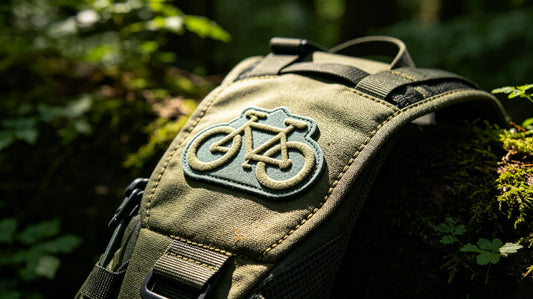
Hiking backpacks, mountaineering suits, fishing gear and cycling equipment. PVC can resist wind, rain, mud and sand, adapting to complex outdoor environments, and is easy to clean after getting dirty.
3. Fashion Apparel & Trendy Accessories
Streetwear, casual hats, canvas bags and fashion brand peripherals. Bright full colors and unique 3D effects help create a trendy and personalized style, deeply loved by young people.
4. Event & Amusement Park Souvenirs
Large-scale activities, theme parks, carnivals and tourist souvenirs. Rich color performance and cartoon-shaped designs are attractive, and bulk orders have good cost performance.
5. Brand Logo & Product Identification
Corporate brand marks, product accessories and promotional gifts. Clear color restoration and durable material ensure the long-term display of brand images.

Scenarios Not Recommended for PVC Patches
- Close-fitting underwear and ultra-thin casual clothes: Rubber texture may cause discomfort.
- Long-term high-temperature working environment: Material softening and deformation easily occur.
- Small-batch customized orders with low quantity: High mold cost leads to poor cost performance.
- Retro style uniforms and classic embroidered badges: Cannot present traditional thread texture.
Daily Maintenance Tips for PVC Patches
- Clean regularly with a damp cloth, avoid using strong chemical solvents such as paint remover and concentrated alcohol, which will corrode the surface.
- Do not expose to direct high-temperature sun for a long time, and stay away from heating equipment.
- For velcro PVC patches, clean the lint on the hook surface regularly to keep adhesion.
- Do not pull or twist violently for a long time to prevent permanent deformation.
Common Customization Mistakes to Avoid
- Designing ultra-thin lines and too small text, resulting in incomplete presentation of finished products.
- Setting too high 3D protrusions, leading to easy wear and deformation.
- Choosing PVC for small-batch orders with only dozens of pieces, resulting in excessive cost.
- Using PVC patches in high-temperature environments, causing material softening and backing failure.
- Designing a large number of sharp corners and slender structures, reducing the service life.

Final Summary
PVC rubber patches rely on waterproof, wear-resistant, colorful and freely shaped characteristics to occupy an important position in the custom patch market. It is the preferred material for tactical morale patches, outdoor gear and trendy decorative patches.
When choosing, focus on your order quantity, usage environment and wearing experience: choose PVC if you need rich colors, special shapes and outdoor durability; if you pursue fabric texture, retro style or ultra-small batch customization, embroidered or woven patches will be more suitable.
Reasonable use of the advantages of PVC materials and avoidance of its limitations can let you create high-quality patches that are both beautiful and practical.
Frequently Asked Questions
Q1: Are PVC rubber patches waterproof?
A: Yes, integrated rubber structure is fully waterproof and easy to wipe clean.
Q2: Do PVC patches get soft in high temperature?
A: They will soften slightly under long-term high temperature, so avoid extreme heat environments.
Q3: Is PVC suitable for small quantity orders?
A: Not ideal. Mold opening cost makes small-batch orders relatively expensive.
Q4: What backing is most used for PVC morale patches?
A: Velcro (hook & loop) backing is the standard match.
Tags:
Previous
Embroidered vs Woven Patches: Key Differences & How to Choose
Next
Sew-On vs Iron-On Patches: Which Backing Should You Choose