Self Adhesive Stick On Custom Patches Guide | Suitable Surfaces, Installation Steps & Limitation Tips
Self-adhesive peel-and-stick patches eliminate ironing equipment and sewing labor, enabling instant decoration within seconds for daily items. Countless users complain about premature peeling mainly due to wrong base surface or insufficient pre-cleaning instead of poor adhesive quality. Unlike iron-on glue activated by high heat or permanent sew-on fixation, self-adhesive relies on pressure-sensitive cold glue limited to smooth non-porous material.
Custom 3D embroidered patches supports self-adhesive backing upgrade for all embroidery, woven and PVC patch orders for temporary DIY decoration needs.

Part 1: Standard Step-by-Step Installation Process
- Surface cleaning: Remove all dust, oil stain and wax residue from target area with alcohol wipe or dry rag; grease and fine dust are top reasons of poor adhesion.
- Full dry waiting: Ensure wiped surface completely air dry before next operation, residual moisture dilutes glue viscosity.
- Peel liner slowly: Tear off full white protective backing paper without touching exposed adhesive layer with fingers, skin grease contaminates glue and weakens stickiness.
- Center alignment & press down: Align patch to ideal position then firmly press entire surface evenly with palm for 20~30 seconds to exhaust inner air bubble.
- Static curing: Leave item flat for minimum 6 hours without bending or pulling patch edge for full adhesive bonding.

Part 2: Recommended Compatible Surfaces For Stable Sticking
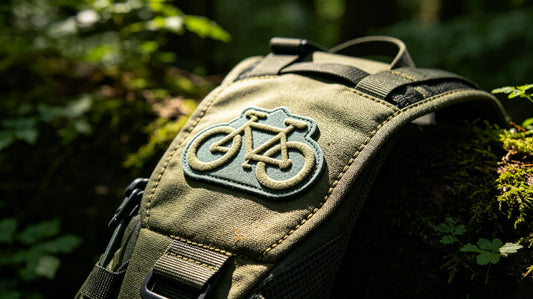
- Smooth hard plastic: Water bottle, plastic storage box, hardshell backpack, plastic lunch container; longest service life on this category.
- Smooth PU/leather: Polished artificial leather bags, smooth leather notebook cover.
- Clean smooth metal & glass: Metal tumbler, glass storage jar, polished metal gear shell.
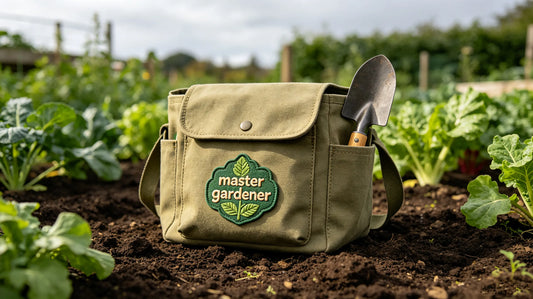
- Compact smooth canvas: Tightly woven low-pile smooth canvas with minimal rough texture.
Part 3: Unsuitable Surfaces Never Use Self-Adhesive Patches
- Rough porous loose fabric: Thick fuzzy fleece, coarse knit sweater, open-weave cotton cloth; glue sinks into gap leading rapid shedding.
- Silicone & waterproof coating fabric: Surface isolation film blocks adhesive penetration resulting instant peeling.
- Frequently washed apparel: Laundry soaking gradually dissolves cold glue, cannot sustain repeated cleaning cycles.
- Uneven textured rubber with deep concave pits: Air trapped under patch causes gradual edge lifting.

Part 4: Core Advantages & Disadvantages Of Stick-On Patches
Advantages
- Zero auxiliary tools needed, no iron or needle thread required for instant DIY decoration.
- Removable without obvious residual mark on most smooth hard surfaces for temporary seasonal design swap.
- Low upgrade cost comparing with velcro or iron-on backing for short-term use customization.
Disadvantages
- Poor water resistance; long-time rain immersion or laundry leads full patch detachment.
- Short service lifespan on fabric, only fit temporary decoration not long-term daily wear.
- High temperature environment over 45℃ softens glue causing gradual edge warping.

Part 5: Quick Fix For Common Loose Sticky Patch Problems
- Small partial edge lifting: Clean gap dust then paste thin heavy-duty double-sided tape underneath loose area for reinforcement.
- Whole patch fully fallen off smooth surface: Replace with new self-adhesive patch after thorough surface degreasing again.
- Cannot stick on rough fabric permanently: Abandon sticky backing, switch to sew-on or iron-on alternative backing.
Part 6: Common Purchase & Application Mistakes To Avoid
- Expect self-adhesive patch fixed firmly on fleece hoodie for regular laundry → fast shedding after first wash.
- Skip surface cleaning step and directly stick patch on dusty item → unstable bonding within several days.
- Touch exposed adhesive glue with fingertips during liner peeling → oil contamination weakens original stickiness sharply.

Final Summary Core Rule
Smooth non-porous hard material = ideal for self-adhesive; rough porous/frequent wash clothing = reject sticky option, choose sew/iron/velcro instead; clean + full dry + firm pressing = maximum adhesive lifespan.
Confirm target item surface property before selecting stick-on backing upgrade.
Frequently Asked Questions
Q1: Can self adhesive patches be normally washed together with daily clothing?
A: No, cold glue dissolves after soaking and washing leading complete patch falling off.
Q2: What kind of surface has best bonding effect for peel and stick patches?
A: Smooth clean plastic, polished leather and flat glass get longest stable adhesion.
Q3: Why sticky patch falls off right after installation on coarse knit fabric?
A: Porous rough texture absorbs adhesive glue with no effective bonding plane left.
Q4: How to repair partially lifted self-adhesive patch edge?
A: Clear internal dust then add heavy-duty double-sided tape under loose section for reinforcement.
Tags:
Previous
Custom Patch Packaging Options Breakdown | Bulk Retail Pack Types, Cost Difference & Usage Scenarios
Next
Custom Patch Color Matching Guide | Pantone Standard, Color Deviation Causes & Fix Tips