Sew-On vs Iron-On Patches Ultimate Comparison | Durability, Cost, Installation & Best Use Cases
Sew-on and iron-on are the two most popular and basic patch backing options for all custom embroidery, woven and PVC patches. Most buyers randomly choose iron-on for convenience or sew-on out of habit, without realizing each backing has strict applicable scenarios and lifespan limits. Iron-on patches feature fast tool-free installation while sew-on patches deliver industrial-grade wash resistance and permanent durability. This ultimate head-to-head comparison breaks down every key performance indicator to eliminate wrong selection errors.
Custom 3D embroidered patches provides free switching between sew-on and iron-on backing, helping customers match the best solution according to garment usage frequency and washing demands.

Part 1: Core Performance Head-To-Head Comparison
1. Durability & Wash Resistance
Sew-On Patches: Ultimate permanent durability. Stitched fixation resists unlimited machine washes, high-temperature drying and long-term friction. No peeling, lifting or falling off even after years of daily wearing. Ideal for long-term official apparel.
Iron-On Patches: Limited lifespan. Hot melt adhesive gradually fails after 5–15 regular washes. Edges start lifting, and full detachment often occurs after frequent tumble drying or outdoor friction. Suitable for short-term temporary decoration only.
2. Installation Speed & Difficulty
Sew-On Patches: Time-consuming installation. Requires manual stitching or sewing machine work, taking 5–15 minutes per piece. Higher technical threshold for neat edge stitching.
Iron-On Patches: Ultra-fast DIY installation. Only a household iron and cotton cover cloth needed, finished within 60–90 seconds, zero sewing skill required. Perfect for quick personal DIY modification.

3. Cost Difference
Sew-On Patches: Free default backing, zero upgrade cost in all orders.
Iron-On Patches: Low-cost optional upgrade with minor per-piece surcharge.
4. Fabric Compatibility
Sew-On Patches: 100% universal compatibility. Works on all fabrics including waterproof coated material, fleece, loose knit, silk and thick denim.
Iron-On Patches: Restricted application. Invalid on waterproof coating, silicone-treated fabric, ultra-fleece and loose woven materials due to poor adhesive bonding.
5. Wearing Comfort
Sew-On Patches: Flat and tight fixation, no bulging after long-term use.
Iron-On Patches: Thick glue layer may slightly stiffen soft fabric surface after cooling.

Part 2: Detailed Pros & Cons Breakdown
Sew-On Patch Pros
- Permanent lifelong fixation
- Unlimited machine washing and drying
- Compatible with all complex fabrics
- No extra upgrade cost
- No edge lifting risk over time
Sew-On Patch Cons
- Slow manual installation
- Requires basic sewing tools
- Not suitable for fast batch DIY decoration
Iron-On Patch Pros
- Super fast tool-free installation
- Perfect for temporary garment modification
- Re-heatable for minor repair
- Ideal for non-professional DIY users
Iron-On Patch Cons
- Poor wash durability
- Easy peeling after repeated cleaning
- Strict fabric usage limitations
- Cannot withstand high heat drying

Part 3: Clear Scenario-Based Selection Rules
Choose Sew-On If:
- Uniforms requiring weekly regular washing
- Leather vests, heavy denim and outdoor workwear
- Long-term commercial merchandise and resale products
- Waterproof or special coated fabric clothing
- High-value custom patches needing permanent preservation
Choose Iron-On If:
- Casual daily clothing temporary decoration
- One-time event costumes, festival outfits and party apparel
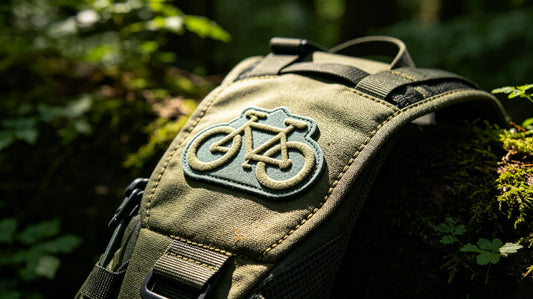
- Personal DIY backpack, hat and non-frequent wash items
- Quick small-batch garment modification without sewing tools
Part 4: Professional Hybrid Usage Tip (Best For Resellers)
For maximum flexibility, order iron-on base + manual edge stitching. This hybrid method combines fast initial iron installation with permanent sew-on durability, greatly extending patch service life while saving full stitching workload. This is the most cost-effective solution for resale merchandise.

Part 5: Common Wrong Selection Mistakes To Avoid
- Use iron-on backing for school/team weekly wash uniforms → mass peeling complaints after short usage
- Choose sew-on patches for one-time event costumes → waste time on unnecessary complex installation
- Apply iron-on patches on fleece hoodies → adhesive cannot bond fuzzy texture leading immediate shedding
- Ignore fabric coating and use iron-on on waterproof jackets → zero adhesion effect and total failure
Final Summary Core Rule
Long-term wear + frequent washing + special fabrics = sew-on permanent backing; temporary DIY + quick installation + non-frequent wash = iron-on backing; hybrid iron+sew method balances speed and durability for resale goods.
Prioritize usage lifespan and washing frequency before confirming patch backing type.
Frequently Asked Questions
Q1: Which is more durable, sew-on or iron-on patches?
A: Sew-on patches are far more durable with permanent fixation and unlimited wash cycles.
Q2: Can iron-on patches last through regular machine washing?
A: No, most iron-on patches start peeling after 5–15 standard laundry cycles.
Q3: Are sew-on patches free of extra charge?
A: Yes, sew-on backing is the factory default option with zero upgrade cost.
Q4: Can I sew iron-on patches for stronger durability?
A: Yes, edge stitching iron-on patches greatly improves wash resistance and service life.
Tags:
Previous
2026 Custom Patch Trend Guide | Top Design Styles, Color Palettes & Placement Ideas
Next
Custom Patch Digitizing Guide | Embroidery Digitizing Rules, File Standards & Common Digitizing Errors