Custom Patch Care & Washing Guide: How to Clean, Wash & Maintain Patches (2026)
A perfectly customized patch can quickly lose its charm without proper care. Fading threads, peeling edges, pilling plush, bubbling adhesive, and deformed shapes are the most common problems after daily wearing and washing. Most patch damage is not caused by poor production quality, but by incorrect washing, drying, and daily maintenance habits.
Different patch materials and backing types require exclusive care methods. Washing a fluffy chenille patch the same way as a durable PVC patch will ruin its texture; high-temperature drying iron-on patches will cause immediate peeling. Mastering material-based patch care rules can effectively extend patch service life, keep colors vibrant, and maintain neat shapes for years. Before you order custom embroidered patches, learn this full care guide to protect every customized detail.
In this ultimate 2026 patch maintenance guide, we share material-specific washing steps, daily care tips, high-frequency mistakes to avoid, and simple repair solutions for all mainstream patch types, helping your patches stay brand-new long-term.
1. Universal Pre-Washing Rules for All Patches
No matter what material or backing your patches are, these universal pre-washing rules are the first line of defense against damage. Following these steps can avoid 80% of patch washing failures:
Turn Garments Inside Out
Always flip clothes and gear with patches inside out before washing. This reduces direct friction between patches and the washing machine drum, avoiding thread wear, edge warping, and surface scratching. It also prevents color fading and cross-staining during the washing process.
Separate Dark & Light Colors
New custom patches may have slight floating color. Separate dark patch-decorated garments from light-colored clothes to prevent dye bleeding and cross-contamination, which can ruin the overall matching effect.
Remove Removable Patches
Take off all velcro removable patches before washing. Machine washing with velcro patches attached will cause severe friction, fluff accumulation, and adhesive weakening, greatly shortening service life.
Avoid Long-Time Soaking
Do not soak patch-decorated clothes for more than 10 minutes. Long-term water immersion will erode iron-on adhesive, loosen embroidery threads, and cause chenille plush knotting, leading to irreversible damage.

2. Material-Specific Patch Washing & Care Guide
Each patch material has unique physical characteristics and tolerance to water, temperature, and friction. We break down targeted washing methods for the six mainstream patch materials to achieve zero-damage maintenance:
Embroidered Patches (Most Versatile Care)
High-density embroidered patches have excellent wash resistance and are the easiest to maintain among all fabric patches. They support both gentle machine washing and hand washing with stable performance.
Washing Method: Use cold water or low-temperature water below 30°C, choose the gentle or delicate machine washing mode. Use mild neutral detergent, avoid strong alkaline laundry powder and bleach that may corrode embroidery threads and cause fading.
Drying Tips: Air dry naturally in a cool and ventilated place. Avoid long-term direct sunlight exposure, which will accelerate thread aging and color fading. Do not use high-temperature tumble drying.
Daily Care: Regularly trim loose tiny thread ends with small scissors. Avoid hard pulling threads to prevent large-area thread loosening and pattern damage.
Woven Patches (Ultra-Thin & Delicate Care)
Woven patches feature ultra-thin flat texture and fine yarn weaving, with slightly weaker friction resistance than embroidered patches, requiring gentle maintenance.
Washing Method: Priority to hand washing or ultra-gentle machine washing. Avoid high-speed spinning and strong friction. Do not scrub the patch surface vigorously to prevent fine yarn breakage and pattern blurring.
Drying Tips: Flat dry to avoid folding and creasing. Woven patches are thin and easy to wrinkle; flat drying can maintain smooth and flat texture.
Daily Care: Avoid sharp object scratching. The fine woven structure is easy to be hooked by sharp items, resulting in broken lines and incomplete patterns.
PVC Rubber Patches (Heavy-Duty & Waterproof Care)
PVC rubber patches have excellent waterproof and wear-resistant performance with the strongest environmental adaptability, suitable for harsh outdoor and high-friction scenarios.
Washing Method: Support machine washing and arbitrary scrubbing. For daily dust and stains, just wipe the surface with a damp cloth to clean quickly. No need for complicated cleaning steps.
Drying Tips: Wipe off surface water stains or air dry naturally. High-temperature drying is not recommended to avoid rubber material aging and hardening.
Daily Care: Regularly clean dust and debris accumulated in the concave-convex texture gaps to keep the patch pattern clear and tidy.
Chenille Patches (Fluffy Texture Protection)
Chenille patches rely on fluffy plush texture for aesthetic effects, and incorrect washing will directly destroy the three-dimensional fluffy sense, causing knotting, hair loss and flatness.
Washing Method: Strictly use cold water hand washing or gentle machine washing. Never scrub hard or use a brush to clean. Use mild detergent to protect plush fibers from damage.
Drying Tips: Air dry naturally in a cool place. After drying, gently comb the plush with a small soft brush to restore fluffy three-dimensional texture.
Daily Care: Avoid frequent friction and extrusion. Regularly pat the patch surface to remove floating dust and prevent plush knotting and hardening.
Leather Patches (Retro Texture Maintenance)
Leather and PU leather patches are sensitive to water and high temperature, with poor water resistance. Frequent washing will cause hardening, peeling and aging.
Washing Method: Prohibit machine washing and long-term soaking. Daily stains can be wiped with a slightly damp soft cloth. For stubborn stains, use professional leather cleaner for local cleaning.
Drying Tips: Must air dry naturally, keep away from high-temperature heat sources such as hair dryers and heaters to prevent leather cracking and peeling.
Daily Care: Regularly apply a small amount of leather care oil to maintain soft and glossy texture, delaying aging and fading.
Metallic Patches (Shiny Finish Protection)
Metallic patches have electroplated shiny surfaces, which are easy to oxidize and scratch, requiring careful daily protection.
Washing Method: Hand wash gently, avoid friction with hard objects. Prohibit the use of corrosive detergents such as bleach and strong alkaline soap.
Drying Tips: Wipe dry with a soft dry cloth or air dry naturally to avoid water stain residue affecting metallic luster.
Daily Care: Avoid collision and scratching with sharp objects. Store separately to prevent surface oxidation and luster loss.

3. Backing-Specific Maintenance Rules
Different patch backings have different tolerance to washing. Matching targeted maintenance methods can effectively prevent peeling and edge warping:
Iron-On Heat Seal Backing: After ironing and curing, wait 24 hours before the first wash. Always wash in cold water, avoid hot water soaking and high-temperature drying. Do not iron the patch surface repeatedly to prevent adhesive melting and peeling.
Sew-On Backing: The most durable backing with no special washing restrictions. Just avoid violent pulling during washing to prevent thread breaking and loose stitching.
Velcro Backing: Must be removed before washing. Regularly clean fluff and dust on the velcro surface to maintain stable adhesion and avoid weakening stickiness.
Peel-Stick Backing: Not washable. It is only suitable for temporary use. Remove before cleaning to avoid adhesive failure and residue.
4. High-Frequency Patch Washing Mistakes & Damages
We summarize the most common wrong maintenance behaviors that easily damage patches, with targeted correction solutions:
Mistake 1: High-temperature water washing and tumble drying
Consequence: High temperature melts iron-on adhesive, causes leather cracking, accelerates thread fading, and hardens PVC patches. Fix: Uniformly use cold or low-temperature water below 30°C, choose natural air drying.
Mistake 2: Using bleach and strong detergent
Consequence: Corrodes embroidery threads and leather surface, causing serious fading, discoloration and material aging. Fix: Use only neutral mild detergent, completely avoid bleach and strong alkaline products.
Mistake 3: Hard scrubbing and brush cleaning
Consequence: Chenille plush falls off, woven fine threads break, patch edges warp, and surface patterns wear out. Fix: Gentle hand washing or machine gentle mode, no violent scrubbing.
Mistake 4: Long-term sun exposure for drying
Consequence: UV radiation causes thread fading, rubber material aging, and leather brittleness. Fix: Dry in cool and ventilated shade, avoid direct strong sunlight.
Mistake 5: Folding and squeezing wet patches
Consequence: Wet patches are prone to permanent creases and deformation, affecting flat fitting effect. Fix: Flat dry after washing, avoid folding and heavy extrusion.

5. Simple Patch Repair Solutions (Fix Common Damages)
For minor patch damages during use, simple manual repair can restore the perfect state without re-customization:
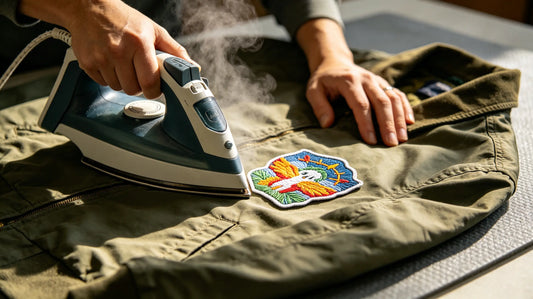
Peeling Iron-On Patch Edges: Clean the patch surface, cover with a thin cloth, and re-iron with medium temperature for 10-15 seconds to re-cure the adhesive, solving edge warping and peeling.
Loose Embroidery Threads: Trim excess loose threads with small scissors, do not pull hard. For partial loose stitching, use color-matched thread for simple reinforcement stitching.
Flat Chenille Plush: Gently comb the flattened plush with a soft-bristled brush, then blow with cold wind from a hair dryer to restore fluffy three-dimensional texture.
Velcro Weak Stickiness: Use sticky tape to stick off surface dust and fluff, or clean with a small amount of alcohol to restore velcro adhesion.
Slight Patch Wrinkles: Iron at low temperature with a thin cloth cushion, or flatten and press for a period of time to remove creases.
6. Long-Term Storage & Daily Protection Tips
Good daily storage habits can effectively avoid patch aging and deformation, maintaining long-term new state:
For long-term unused patch-decorated clothes, hang them flat for storage, avoid long-term folding extrusion to prevent permanent creases and edge warping.
Separate metal and hard PVC patches from delicate chenille and woven patch clothes to avoid scratching and extrusion damage.
Keep the storage environment dry and ventilated to prevent moisture and mildew, which will cause thread discoloration and material deterioration.
Regularly check velcro patches for dust accumulation and embroidered patches for loose threads, timely maintain to avoid minor damage expanding.
Pro Tip: Scientific maintenance doubles the service life of custom patches. When you custom embroidered patches, match exclusive maintenance methods according to patch material and backing to keep your patches vibrant and intact for years.

Final Thoughts
Custom patch maintenance is never one-size-fits-all. Different materials and backings have completely different washing tolerance and protection requirements: embroidered patches need gentle low-temperature washing, chenille patches focus on fluffy texture protection, PVC patches are durable and easy to clean, leather and metallic patches require careful anti-aging maintenance, and velcro patches need disassembly before cleaning.
Most patch damage is reversible through standardized cleaning and maintenance. Avoiding high-frequency wrong washing habits and adopting targeted material-based care methods can effectively prevent fading, peeling, pilling and deformation.
Mastering this complete 2026 patch care guide allows every custom patch to maintain bright color, complete pattern and three-dimensional texture during long-term wearing and use, maximizing customization value and avoiding frequent re-customization costs.

FAQ
Q:Can custom patches be machine washed?
A:Most embroidered, woven and PVC patches support gentle machine washing in cold water. Chenille patches are recommended for hand washing, while leather and metallic patches are not suitable for frequent machine washing. Always turn clothes inside out and use gentle mode. You can get durable patches when you order custom embroidered patches.
Q:How to prevent iron-on patches from peeling after washing?
A:Wait 24 hours after ironing before the first wash, use cold water gentle washing, avoid high-temperature drying and hot water soaking. Re-iron warped edges properly to restore adhesion.
Q:Are chenille patches hard to maintain?
A:Chenille patches need gentle care. Avoid hard scrubbing and high-temperature washing. Air dry naturally and comb the plush slightly after washing to keep fluffy and undamaged.
Q:How to clean dirty PVC rubber patches?
A:PVC patches are super easy to clean. Wipe surface stains with a damp cloth or wash directly with cold water. No complicated maintenance is required, suitable for long-term outdoor use.
Q:Can patched clothes be tumble dried?
A:Not recommended. High-temperature tumble drying will melt iron-on adhesive, damage thread colors, harden materials and cause patch deformation. Natural air drying is the safest choice.
Tags:
Previous
Custom Patch Materials Guide: Embroidered vs Woven vs PVC vs Chenille & More (2026)
Next
2026 Custom Patch Mistakes to Avoid: Complete Beginner’s Ordering Guide