How to Wash & Care for Custom Patches: Full Maintenance Guide (2026)
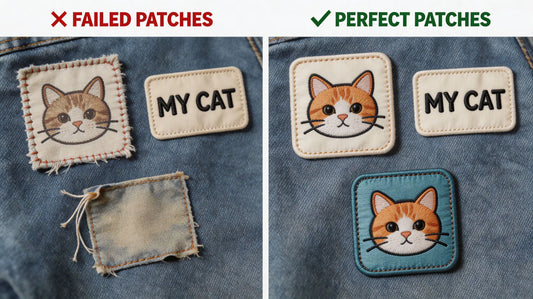
High-quality custom embroidered, woven, PVC, and velcro patches are designed for long-term use, but their lifespan heavily depends on daily washing and maintenance habits. Many users encounter common problems such as patch peeling, thread fraying, color fading, velcro viscosity loss, and PVC hardening after only a few wears and washes. Most of these issues are not caused by poor patch quality but incorrect cleaning methods and improper daily care.
Different patch materials and backing types have unique tolerance limits for water temperature, friction, detergents, and drying methods. A one-size-fits-all washing approach will easily damage patch craftsmanship and shorten service life. Whether you have everyday embroidered uniform patches, outdoor PVC tactical patches, or reusable velcro morale patches, this professional maintenance guide covers material-specific washing rules, daily care tips, mistake solutions, and long-term storage methods. Before you order custom embroidered patches, master these care skills to maximize your customization value.
Combined with factory professional maintenance standards and long-term user feedback, we sort out a zero-loss full maintenance system for all mainstream patch types, helping every custom patch maintain bright color, firm adhesion, and intact texture for years.
1. Universal Pre-Wash Rules for All Custom Patches
No matter what material or backing your patches adopt, these universal pre-wash steps are the foundation of safe cleaning, effectively avoiding most washing damage.
Check Patch Firmness First
Before each wash, gently pull the patch edges to check for loose threads, warped edges, or weakened adhesion. Reinforce slightly loose iron-on patches with a hot press, and stitch loose sew-on patches in advance. Timely inspection prevents large-area peeling and thread shedding during washing friction.
Sort Patched Clothes Separately
Do not wash patched garments with rough fabrics like denim, towels, and velcro-equipped clothes. Hard friction and hook scratching will cause thread fraying, surface scratching, and patch deformation. It is recommended to wash patched clothes separately with soft casual fabrics.
Choose Neutral Mild Detergent
Avoid alkaline laundry powder, bleach, and strong stain removers. These harsh chemicals will corrode embroidery threads, fade colored patterns, age PVC materials, and damage velcro structure. Always use neutral mild laundry detergent to protect patch colors and textures.
Control Water Temperature
All custom patches adapt to cold or lukewarm water below 30°C (86°F). High-temperature hot water will melt iron-on adhesive, harden PVC patches, accelerate thread aging and fading, and cause irreversible damage to all patch types.

2. Material-Specific Washing & Care Methods
Embroidered, woven, and PVC patches have completely different material properties, so their maintenance focuses vary greatly. Targeted care can perfectly retain the original texture and performance of each patch.
Embroidered & Woven Fabric Patches
Fabric thread patches focus on anti-fading and anti-fraying maintenance. Both embroidered and woven patches adopt color-fast eco-friendly threads, but improper washing will still cause color bleeding and thread loosening. It is recommended to turn the clothes inside out before machine washing to reduce surface friction. Choose a gentle or delicate washing mode, avoid high-speed spinning and long-time soaking. For 3D puff embroidered patches and vintage chenille patches, hand washing is more recommended to protect the three-dimensional foam structure and soft towel texture from flattening and damage.
After washing, do not wring or squeeze hard to prevent patch deformation and thread dislocation. Hang in a cool and ventilated place to air dry naturally, and avoid long-term direct sunlight exposure, which will cause gradual color fading of colored threads.
PVC Rubber Patches
PVC patches have excellent waterproof and wear-resistant properties, making them the most durable in outdoor environments, but they are afraid of high temperature and chemical corrosion. Machine washing is fully available, but avoid high-temperature drying and ironing. Do not use bleach or strong disinfectant, which will cause the rubber surface to turn yellow, harden, and lose flexibility. For daily dust and stains on tactical PVC patches, wipe clean with a damp cloth directly without repeated washing, which can better maintain the rubber texture and extend service life.
Velcro Hook & Loop Patches
The core rule of velcro patch maintenance is detach before washing. Never wash velcro patches together with clothes. During washing, floating hair, cotton fibers, and sundries will be tightly adsorbed on the hook and loop gaps, blocking the buckle structure and causing permanent viscosity attenuation. Before washing, completely peel off the velcro patches and store them separately. After the clothes are washed and dried, reattach the patches. For daily cleaning of velcro patches, use a lint roller or soft brush to clean surface fluff regularly to restore adhesion.
3. Backing-Type Targeted Maintenance Guide
Different patch backings determine firmness and washing resistance, requiring exclusive maintenance methods to avoid peeling and falling off.
Iron-On Heat Seal Patches
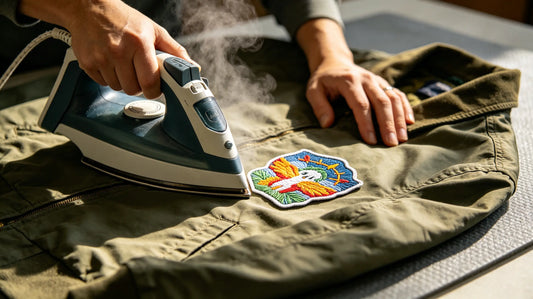
Iron-on patches are semi-permanent and have limited washing times. Avoid frequent machine washing as much as possible. If edge warping occurs after washing, cover the patch with a thin cloth and re-press it with a household iron for 10-15 seconds to restore adhesion. Do not iron directly on the patch surface to prevent thread fading and pattern damage.
Sew-On Patches
Sew-on patches have the highest durability and are resistant to repeated machine washes. The only maintenance focus is to check the stitching regularly. If local loose threads appear, trim them in time and reinforce the stitching to prevent large-area thread shedding. No complex maintenance is required, suitable for long-term high-frequency wearing scenarios.
Peel & Stick Self-Adhesive Patches
Self-adhesive patches are not washable and are only used for temporary decoration. Remove the patches in time before cleaning the clothes to avoid adhesive failure and falling off caused by water soaking and friction.

4. Drying & Ironing Standard Operation Specifications
Many patches are damaged not during washing but in the drying and ironing process. Standard operation can effectively avoid secondary damage.
Drying Rules
All custom patches are not suitable for high-temperature tumble drying. High temperature will melt iron-on adhesive, harden PVC materials, and shrink fabric patches. Natural air drying in a cool and ventilated environment is the safest choice. Avoid hanging under strong sunlight for a long time to prevent color fading and material aging.
Ironing Precautions
Fabric embroidered and woven patches can be ironed with low temperature after covering a thin protective cloth. Never iron 3D puff embroidered patches and PVC patches directly—high temperature will flatten the 3D foam structure and deform the rubber surface. Velcro patches must be removed completely before ironing clothes to avoid melting and damaging the velcro structure.
5. Long-Term Storage & Daily Protection Tips
Reasonable daily protection and storage can greatly extend the service life of custom patches and keep them in new condition for a long time.
Daily Wearing Protection
Avoid long-term extrusion and violent friction of patches during wearing. For outdoor tactical patches, clean surface dust and stains in time after use to prevent dirt from accumulating and penetrating. Do not pull and twist the patch violently to avoid edge cracking and thread loosening.
Long-Term Storage Method
For patches that are not worn for a long time, flat store them in a dry and tidy storage bag. Avoid folding and pressing to prevent permanent creases and deformation. Velcro patches should be stuck tightly together before storage to prevent dust from entering the gap and maintain stable viscosity. PVC patches should be stored separately from sharp hard objects to avoid surface scratching.
Seasonal Maintenance
When storing seasonal clothes, check all patched positions again, reinforce loose patches, clean surface dust, and ensure dry storage environment to prevent mildew, discoloration, and material aging caused by moisture.

6. Common Patch Damage Problems & Quick Fixes
Summarize high-frequency patch maintenance problems and practical solutions to help users quickly repair minor damage and restore patch performance.
Problem 1: Iron-On Patch Edge Warping & Peeling
Cause: High-temperature washing, insufficient initial pressing, or long-term friction. Fix: Clean the warped position, cover with a thin cloth, re-press with medium-temperature iron, and cool naturally to restore firmness.
Problem 2: Velcro Patch Viscosity Weakening
Cause: Accumulation of fluff and debris in velcro gaps. Fix: Use a lint roller or tweezers to clean surface sundries thoroughly, and the adhesion will be significantly restored.
Problem 3: Embroidered Patch Loose Threads
Cause: Friction and pulling during wearing and washing. Fix: Do not pull the loose threads directly. Trim excess loose threads with small scissors to avoid larger-area thread shedding.
Problem 4: PVC Patch Surface Fogging & Yellowing
Cause: Long-term sunlight exposure and chemical detergent corrosion. Fix: Wipe with a clean damp cloth for daily maintenance, avoid strong chemicals and high-temperature environment.

Final Thoughts
Custom patches are durable wearable art, and their service life and aesthetic effect depend entirely on daily washing and maintenance habits. Different materials and backings correspond to exclusive care rules: fabric embroidered and woven patches focus on anti-friction and anti-fading, PVC patches avoid high temperature and chemicals, and velcro patches insist on detaching before washing. Following standardized maintenance methods can effectively avoid common problems such as peeling, fading, thread fraying, and viscosity loss, keeping custom patches bright and firm for years.
Good maintenance maximizes the value of every customized patch. Whether it is daily team uniform patches, outdoor tactical patches, or personalized decorative patches, scientific care can avoid repeated customization costs. When you choose to custom patches, matching professional maintenance habits will make your customized works more durable and perfect.

FAQ
Q:Can custom embroidered patches be machine washed?
A:Yes, high-quality embroidered patches are machine washable. It is recommended to turn the clothes inside out, choose a gentle mode, use cold water and neutral detergent, and air dry naturally. Avoid high-temperature drying and strong friction to prevent fading and fraying. Premium custom embroidered patches with color-fast threads can withstand long-term repeated washing with proper care.
Q:Do I have to remove velcro patches before washing?
A:Yes, it is a must. Washing velcro patches with clothes will cause a large amount of fiber fluff to accumulate in the velcro gap, resulting in permanent viscosity attenuation. Detaching before washing is the core rule to maintain velcro patch durability.
Q:How to fix peeling iron-on patches?
A:Clean the warped and peeling area, cover the patch with a thin cloth, and re-press it with a medium-temperature household iron for 10-15 seconds. After natural cooling, the patch will restore firm adhesion. Avoid high-temperature ironing directly on the patch surface.
Q:Can PVC patches fade or age?
A:PVC patches have excellent UV and waterproof performance, not easy to fade in conventional use. However, long-term high-temperature exposure and strong chemical corrosion will cause yellowing and hardening. Daily wiping cleaning and avoiding harsh environments can effectively prevent aging.
Q:How to store unused custom patches correctly?
A:Store flat in a dry, cool, and ventilated place, avoid folding extrusion and long-term sunlight. Velcro patches should be closed tightly to prevent dust accumulation; PVC patches need to avoid scratching by sharp objects. Sealed storage bags are the best choice for long-term preservation.
Tags:
Previous
Embroidered vs Woven vs PVC Patches: Full Material Comparison Guide (2026)
Next
Bulk Custom Patches Ordering Guide: Cost, Quality & Lead Time Tips (2026)