Embroidered vs Woven vs PVC Patches: Full Material Comparison Guide (2026)
Custom patches mainly come in three mainstream material types: embroidered, woven, and PVC. Many customers only focus on design and size while ignoring material differences, resulting in unsatisfactory finished effects—blurry tiny text, stiff texture, easy aging, or mismatched style with outfits. Each patch material has exclusive craftsmanship, visual texture, durability performance, and applicable scenarios, and there is no universal “best material”, only the most matching option.
Embroidered, woven, and PVC patches differ completely in production technology: thread stitching, fine thread weaving, and liquid rubber molding respectively. Whether you need team uniform badges, tactical outdoor accessories, high-end brand merchandise, or delicate minimalist logos, accurate material selection is the core of high-quality customization. Before you order custom embroidered patches, master this three-material full comparison guide to avoid customization mistakes and maximize product value.
Combined with official factory production standards, long-term field durability tests, and massive customer order feedback, we comprehensively analyze the pros, cons, texture, detail performance, cost, and suitable scenarios of the three mainstream materials, providing one-stop zero-mistake selection standards for all custom patch needs.
1. Embroidered Patches: Classic Textured Premium Choice
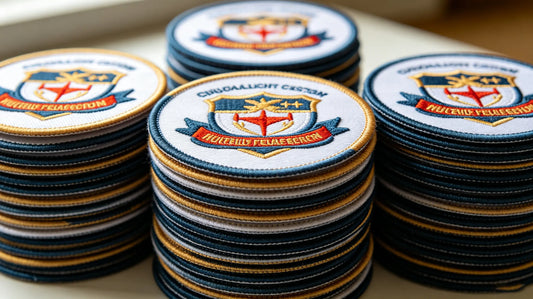
Embroidered patches are the most traditional and popular patch type, crafted by stitching color-fast eco-friendly polyester threads layer by layer on twill fabric bases via multi-head precision embroidery machines. Supported by 50%, 75%, and 100% thread coverage options, plus optional 3D puff embroidery and metallic thread upgrades, they present a classic three-dimensional textured aesthetic that has remained popular for decades.
Core Advantages
The biggest highlight is the distinct handcrafted three-dimensional grain and rich layered texture. High-density stitching delivers excellent wear resistance and washing stability, resisting fading and fraying after repeated cleaning. With optional 3D puff and metallic thread craftsmanship, embroidered patches can easily create high-end, luxurious, and trendy visual effects. They feature strong recognition, classic styling, and wide compatibility, perfectly matching uniforms, jackets, hats, and daily casual outfits.
Limitations & Disadvantages
Restricted by thread thickness, embroidered patches struggle with ultra-fine details. Tiny text below 8pt, dense thin lines, and complex gradient patterns are prone to blurring and thread stacking. Full embroidery with 100% coverage results in a slightly thick and stiff texture, making them unsuitable for ultra-thin close-fitting clothing. Complex multi-color designs will also increase production costs appropriately.
Best Application Scenarios
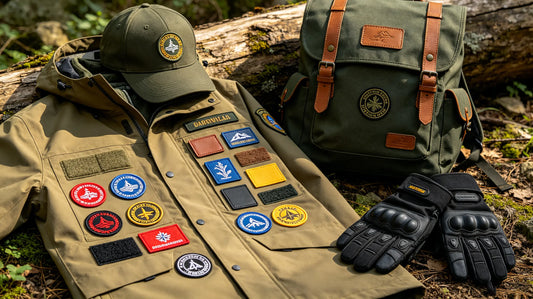
Corporate and school uniforms, sports team crests, military morale badges, denim jacket and hat decoration, vintage fashion styling, and high-end commemorative patches. Ideal for bold logos, block lettering, and classic textured design needs. When you pursue traditional premium texture and long-term wearing durability, embroidered patches are the top choice.

2. Woven Patches: High-Definition Ultra-Fine Detail Expert
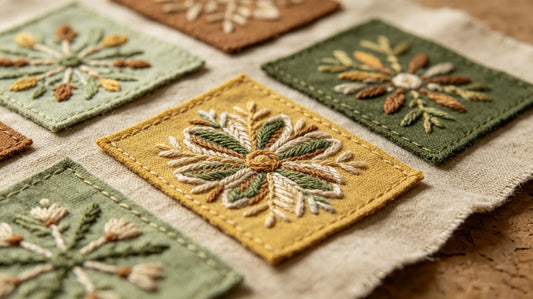
Woven patches adopt ultra-fine high-density weaving technology, using ultra-thin textile threads for tight integral weaving. Different from embroidered patches’ layered stitching, woven patches have no raised thread grain, featuring a completely flat, smooth, and lightweight surface. They fill the detail gap of embroidered patches and are the best material for high-precision delicate logo customization.
Core Advantages
Unmatched detail restoration capability, perfectly restoring ultra-small text, thin lines, dense patterns, and subtle color transitions that embroidery cannot achieve. The flat and thin texture ensures super fitting performance, no bulging or foreign body sensation, suitable for all kinds of thin fabrics. Uniform color layering, delicate and refined overall visual effect, low minimum order quantity, and high cost performance for detailed small-logo customization.
Limitations & Disadvantages
No three-dimensional texture, single flat visual effect, unable to create 3D puff and raised layered feeling. The minimalist style is not suitable for retro, rugged, and trendy streetwear styling. The surface is too flat, lacking the handcrafted sense and high-end texture of embroidered patches.
Best Application Scenarios
Brand high-precision logos, chest name badges, text-heavy designs, minimalist fashion merchandise, thin T-shirt decoration, and formal business uniform identification. Perfect for modern minimalist styles and design projects requiring ultra-high detail clarity.
3. PVC Patches: Rugged Waterproof Outdoor Heavy-Duty Option
PVC patches are made of flexible rubber-like polyvinyl chloride material, produced by liquid PVC mold pouring and integral molding. Completely different from thread-based woven and embroidered patches, PVC patches have no fabric base, featuring waterproof, dustproof, antifouling, and high-temperature resistant properties. They are recognized as the most durable outdoor tactical patch material in the industry.
Core Advantages
Extreme environmental adaptability, 100% waterproof, wear-resistant, UV-resistant, and corrosion-resistant, able to withstand harsh outdoor environments such as heavy rain, high temperature, and strong sunlight without fading, aging, or cracking. The molded process supports arbitrary irregular shaping and 2D/3D stereo effects, with neat and sharp edge lines. Soft and flexible, not easy to deform, and ultra-long service life. No thread shedding or fraying problems at all.
Limitations & Disadvantages
Mold opening is required for customization, resulting in higher cost for small-batch orders and better cost performance for large-batch orders. The rubber texture is slightly modern and technological, lacking traditional handcrafted retro texture, not suitable for vintage and formal business uniform styling. Slightly heavier than fabric patches.
Best Application Scenarios
Tactical military gear, outdoor hiking and mountaineering equipment, fire and police department uniforms, extreme sports accessories, waterproof jacket decoration, and rugged brand outdoor merchandise. The exclusive choice for all high-wear, high-humidity, and harsh environment usage scenarios.

4. Core Dimensional Full Comparison Table
We summarize all key indicators of the three materials into an intuitive comparison table to help you quickly lock the suitable material:
Texture Feature: Embroidered (3D textured, grainy, handcrafted premium) | Woven (flat, smooth, ultra-thin, delicate) | PVC (rubber flexible, matte stereo, modern rugged) Detail Performance: Woven (Excellent) > Embroidered (Good for bold logos) > PVC (Good for bold shapes) Weather Durability: PVC (Waterproof/UV-proof) > Embroidered (Washable) > Woven (Daily wear-resistant) Fabric Fit: Woven (Perfect for thin clothes) > Embroidered (Medium) > PVC (Slightly thick) Style Positioning: Embroidered (Classic/Vintage) | Woven (Minimalist/High-end) | PVC (Tactical/Outdoor/Modern) Cost Performance: Small batch: Woven & Embroidered > PVC | Large batch: PVC > Embroidered > Woven
5. Professional Zero-Mistake Material Selection Rules
Based on years of factory customization experience, we sort out targeted selection standards for different design types, usage scenarios, and style demands to completely solve material selection confusion.
Choose Embroidered Patches If: You prefer classic retro texture, need bold logos and block letter designs, pursue handcrafted three-dimensional sense, customize team uniforms, casual jackets, and hat accessories, and have medium detail design requirements. It is the most versatile material for daily and formal dual-scene use.
Choose Woven Patches If: Your design contains tiny text, thin lines, and complex delicate details, you need ultra-flat fitting effect for thin clothes, pursue minimalist high-end modern style, and customize brand logos and business formal identification patches.
Choose PVC Patches If: The patches are used for outdoor tactical gear, extreme sports equipment, and harsh environment scenarios, requiring waterproof, antifouling, and anti-aging performance, and you need irregular special-shaped designs and modern rugged styling.
Pro Tip: Most personal DIY and team uniform customization scenarios prefer embroidered patches for balanced texture, durability, and cost performance. When you custom embroidered patches, you can upgrade 3D puff or metallic thread craftsmanship to enhance design uniqueness.

6. High-Frequency Customization Mistakes & Solutions
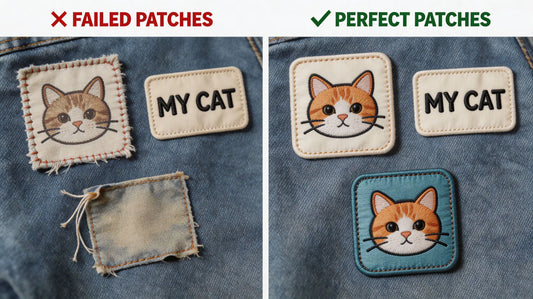
Most patch quality and styling failures are caused by mismatched materials rather than poor production craftsmanship. We summarize 4 common mistakes to help you avoid customization losses.
Mistake 1: Using Embroidered Patches for Ultra-Fine Tiny Text Logos
Consequence: Thread stacking causes blurry text and fuzzy lines, seriously affecting logo recognition. Fix: Replace with woven patches to perfectly restore ultra-fine text and thin line details.
Mistake 2: Using Woven Patches for Outdoor Long-Term Exposure Use
Consequence: Woven fabric lacks waterproof and UV-resistant performance, easy to fade and wear after long-term outdoor exposure. Fix: Choose PVC patches for all outdoor harsh environment usage scenarios.
Mistake 3: Using PVC Patches for Vintage Retro Uniform Styling
Consequence: PVC’s modern rubber texture conflicts with retro handcrafted style, resulting in disjointed overall styling. Fix: Select traditional embroidered patches with classic textured grain for vintage design matching.
Mistake 4: Blindly Choosing PVC for Small-Batch Customization
Consequence: PVC mold opening fee leads to high small-batch unit price and low cost performance. Fix: Choose embroidered or woven patches for small-batch orders to save costs without sacrificing quality.

Final Thoughts
Embroidered, woven, and PVC patches are the three core material options for modern custom patches, each with irreplaceable core advantages and fixed scenario positioning. Embroidered patches dominate the market with classic three-dimensional texture, balanced durability, and versatile styling, suitable for most daily and team customization needs. Woven patches are the best choice for high-precision delicate designs and minimalist flat styling, solving the detail restoration pain point of thread patches. PVC patches rely on extreme environmental adaptability to become the exclusive heavy-duty material for outdoor tactical and harsh scenario applications.
Accurate material matching is the first step to successful custom patches. Only by combining design detail complexity, usage environment, styling style, and order quantity can we maximize the cost performance and aesthetic effect of custom patches. When you prepare to custom patches, follow this three-material comparison guide to achieve zero-mistake customization and obtain the most satisfactory finished patches.

FAQ
Q:Which is better, embroidered or woven patches?
A:It depends on your design and styling needs. Embroidered patches have a 3D textured, handcrafted premium look, perfect for classic logos and casual uniforms. Woven patches are flat, ultra-thin, and excel at restoring tiny details and small text, ideal for minimalist high-precision brand logos. For most daily custom needs, custom embroidered patches offer more versatile styling and texture advantages.
Q:Are PVC patches more durable than embroidered patches?
A:In outdoor and harsh environments, yes. PVC patches are 100% waterproof, UV-resistant, and antifouling, not easy to age or damage. Embroidered patches have excellent washing durability for daily indoor and conventional outdoor use but cannot resist long-term rain erosion and strong sunlight exposure like PVC patches.
Q:Do woven patches look cheap compared to embroidered patches?
A:No. High-density woven patches present a delicate, high-end minimalist texture, which is more refined and suitable for business and fashion brand styling. The difference is only in styling positioning, not quality grade. Woven patches are irreplaceable for ultra-fine detail designs that embroidered patches cannot restore.
Q:Are PVC patches suitable for daily uniform customization?
A:Not recommended for conventional daily and formal uniforms. PVC patches have a modern rubber texture that conflicts with classic uniform styling. They are more suitable for tactical, outdoor, and extreme sports scenarios. Daily formal uniforms are better matched with embroidered patches for a more coordinated and professional effect.
Q:Which patch material is the most cost-effective for bulk orders?
A:Small-batch orders (below 500pcs): Embroidered and woven patches have higher cost performance with no mold fee. Large-batch bulk orders (500pcs+): PVC patches have lower unit prices and better long-term cost performance, with more stable durability.
Tags:
Previous
4 Types of Custom Patch Backings: Full Comparison & How to Choose (2026)
Next
How to Wash & Care for Custom Patches: Full Maintenance Guide (2026)