Hook and Loop Patches 2026 | The Complete Removable Morale Patch Guide
Hook‑and‑loop backing, widely known by the brand‑name Velcro, is the go‑to solution when you want fully removable, swappable custom patches. Unlike sew‑on or iron‑on patches which stay permanently fixed to clothing, hook‑and‑loop badges can be taken off, repositioned, swapped out, and reused hundreds of times with zero damage to your gear.
This backing style exploded in popularity with tactical morale patches, airsoft equipment, outdoor vests and backpack panels, but it is also used for uniforms, kids’ accessories, event gear and collectible patch collections.
This ultimate 2026 guide breaks down exactly how hook‑and‑loop patches work, their biggest strengths and weaknesses, hook‑side vs loop‑side differences, popular use‑cases, and practical tips before you place your custom patch order.

1. What Are Hook‑and‑Loop (Velcro) Patches?
Hook‑and‑loop is a two‑part fastening system made up of separate hook side and loop side pieces.
- Hook side (rough side): Glued to the back of your finished custom patch. Tiny stiff plastic hooks grip onto soft loop fabric.
- Loop side (soft fuzzy side): Attached separately onto your vest, jacket, backpack, hat or gear panel.
When pressed together, the hooks lock firmly into the loop fibers. Pulling vertically separates them cleanly without tearing fabric or leaving sticky residue.
Important note: By factory default, custom patches are produced with the hook side on the back. You will need to buy or sew loop‑side material onto your garments separately unless your gear already comes with built‑in loop panels.
Hook‑and‑loop backing can be applied to nearly every patch material: embroidered, woven, sublimation, and PVC rubber patches.
2. Key Advantages of Hook‑and‑Loop Patches
Fully Removable & Interchangeable
Swap different patches on the same vest or gear whenever you want. Rotate designs for events, missions, moods or seasons without altering your jacket.
Zero‑Damage Attachment
No sewing holes, no hot‑glue stains, no permanent adhesive marks left behind on your expensive tactical gear or leather items.
Reusable Over And Over
Patches can be detached, stored away, and re‑attached thousands of times. Perfect for collectible morale patch sets.
Quick Installation
No ironing, no needle‑and‑thread work. Just press the patch firmly onto your loop‑panel surface and it is ready.
Easy Cleaning Of Gear
Remove patches before washing your vest or backpack. This prevents patch friction damage and stops hook edges from snagging other laundry items.
Flexible Layout Customization
Rearrange your patch layout on your vest panel to create brand‑new displays at any time.

3. Limitations & Downsides of Hook‑and‑Loop Patches
Requires Loop‑Side Surface To Attach
Your clothing or gear must have fuzzy loop fabric. You cannot stick hook‑backed patches directly onto regular cotton t‑shirts, denim jackets or smooth leather unless you sew on a loop‑side strip first.
Risk of Snagging Other Fabrics
When removed, the rough hook‑side can catch, pull, and snag knit clothing if loose patches are tossed inside bags. Always fasten patch pairs together during transport or washing.
Higher Profile / Slightly Thicker
Hook‑and‑loop foam adds extra thickness to the back of your patch. It sits slightly raised compared to sew‑on or iron‑on badges.
Reduced Grip After Heavy Wear
Dirt, lint, hair and dust can get stuck inside the tiny plastic hooks. Over time, this debris weakens holding power, and patches may begin to peel away unexpectedly.
Not Ideal For High‑Speed Wind / Extreme‑Vibration Gear
Under strong wind or heavy vibration, large‑size patches can pull loose. Extra‑wide patches benefit from added loop coverage across the full patch back.
4. Hook‑Side vs Loop‑Side: Which One Goes On The Patch?
Almost all custom patch manufacturers attach the rough hook side to your patch. Only in rare special requests will you get a patch backed with loop‑side material.
Reference chart:
| Part | Texture | Where it goes |
|---|---|---|
| Hook side | Rough, spiky plastic | Rear side of your custom patch |
| Loop side | Soft, fuzzy fabric | Sewn onto vest, backpack, hat, or gear |
If you already own gear covered in hook‑side panels, you must specifically order patches with loop‑side backing to match. Double‑check this detail before placing your order to avoid compatibility issues.

5. Most Popular Use‑Cases for Hook‑and‑Loop Patches
Tactical Morale Patches
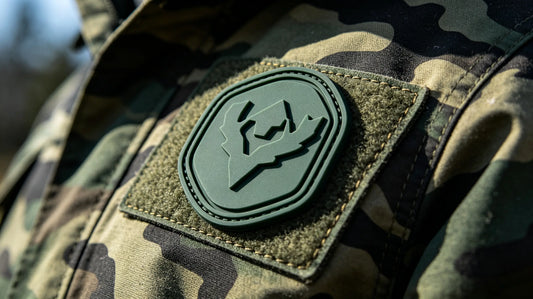
The #1 use for hook‑and‑loop patches. Military‑style vests, plate carriers and tactical backpacks come pre‑fitted with large loop panels for rotating morale, flag, and unit patches.
Airsoft & Paintball Gear
Players frequently swap themed patches for teams, callsigns, and event badges.
Outdoor, Hiking & Camping Backpacks
Build a travel patch collection you can rearrange or take off before storing your pack.
Uniforms With Rotating Insignia
Emergency service teams and security staff can change rank patches without replacing their whole uniform.
Collectible Patch Displays
Collectors can mount all their hook‑backed patches onto a dedicated loop‑fabric display board.
Children’s Hats, Bags and Play Accessories
Kids can swap fun character patches without damaging their backpacks.
6. Buying & Ordering Tips for Hook‑and‑Loop Patches
- Confirm whether your gear uses loop‑side or hook‑side panels first.
- Choose full hook‑and‑loop backing covering the entire rear surface of the patch for maximum grip, partial strips are less secure.
- For large patches over 5 inches wide, full‑coverage hook backing is strongly recommended.
- If you do not have pre‑made loop fabric on your vest, order separate loop‑side sheets to sew on yourself.
- Hook‑and‑loop works perfectly with all patch materials: embroidery, 3D puff, woven, sublimation and PVC rubber.

7. Care & Maintenance for Hook‑and‑Loop Patches
- Remove patches before washing gear to prevent snags.
- Fasten patch hook side against a loop piece when storing loose patches inside bags.
- Clean clogged dirty hooks with a small toothbrush to brush away lint, dust and hair that reduces grip strength.
- Keep hook‑and‑loop patches away from extreme heat, high temperatures can warp the plastic hooks permanently.
Final Thoughts
Hook‑and‑loop removable patches are the best choice whenever you want flexibility, interchangeability, and zero‑permanent attachment. They dominate the tactical morale patch market and work wonderfully for collectible, seasonal, or rotating badge projects.
Just remember that hook‑backed patches require a matching fuzzy loop‑surface on your gear. With basic maintenance to keep hooks free of lint and debris, your Velcro patches can stay firmly attached and reusable for years. If permanent fixture is your main goal for clothing you wash often, sew‑on backing will remain the more reliable long‑term solution.

FAQ
Q: Are hook‑and‑loop and Velcro the same thing?
A: Velcro is a well‑known brand name; hook‑and‑loop is the general technical name for the two‑part fastener system. They function identically.
Q: Can hook‑and‑loop patches stick directly to cotton shirts?
A: No. You must sew a fuzzy loop‑side fabric strip onto your shirt first.
Q: Can I add hook‑and‑loop backing to my existing patches?
A: Yes, you can buy self‑adhesive hook sheets and attach them to the back of finished patches as a DIY modification.
Q: Why does my hook‑and‑loop patch keep falling off?
A: Lint and debris trapped inside hooks, partial‑coverage backing, or strong wind‑vibration forces are the most common causes. Brush hooks clean for improved grip.
Q: Can hook‑and‑loop patches go in the washing machine?
A: You should remove them before washing. If left attached, rough hooks can snag and damage other laundry.
Tags:
Previous
Iron‑On vs Sew‑On Patches 2026 | Which Attachment Method Is Right For You
Next
Custom Patch Border Guide 2026 | Merrow Edge Vs Heat‑Cut Laser Edges