Custom Embroidered Patch Backing Options Guide | Iron-On, Sew-On, Hook & Loop, PVC Adhesive & Special Backing Pros & Cons
Many customers focus only on embroidery patterns, thread colors and stereo effects, ignoring one decisive component: patch backing. The backing layer controls installation method, washing durability, fabric compatibility and whether the patch can be reused. What works well for thin flat embroidered patches may not fit thick 3D stereo badges.
Thick 3D embroidered patches have foam interlayers, which impose special restrictions on heat, pressure and bending. Improper backing selection easily causes foam melting, glue delamination, edge warping or insufficient adhesion. Tactical uniforms, fashion apparel, event souvenirs, workwear and backpacks each require a targeted backing solution.
This professional guide breaks down every mainstream backing type available for custom embroidered patches. We analyze pros, cons, washing resistance, temperature limits, suitable use cases and critical reminders specifically for 3D embroidered badges, helping you pick the optimal backing for your custom order.

Part 1: Iron-On Heat Seal Backing (Most Popular Consumer Choice)
Heat seal backing is a layer of hot melt adhesive coated on the base fabric. When heated to the specified temperature, the glue melts and bonds the patch firmly to textiles. Advantages
- No sewing required, fast and simple DIY installation
- Flat finish, clean invisible attachment effect
- Low extra cost, suitable for small retail orders Disadvantages
- Limited washing resistance; long-term frequent washing leads to peeling
- Cannot be used on heat-sensitive materials including nylon, leather, coated fabric
- Thick 3D patches need precise temperature control; overheating melts internal foam Best For Fashion jackets, canvas bags, casual clothing, low-frequency wash apparel Important Tip for 3D Patches Always use protective cloth, medium temperature (130–140°C), avoid sustained heavy pressure. Sew reinforcement is recommended for long-term durability.
Part 2: Sew-On Plain Twill Backing (Maximum Durability Standard)
Sew-on patches have no adhesive coating. Users stitch the patch perimeter directly onto fabric. Advantages
- Unlimited washing cycles, industrial laundry friendly
- Compatible with all fabric types including leather and coated materials
- No risk of glue melting, fully safe for thick high-density 3D embroidery
- No aging or peeling issues Disadvantages
- Requires hand sewing or sewing machine
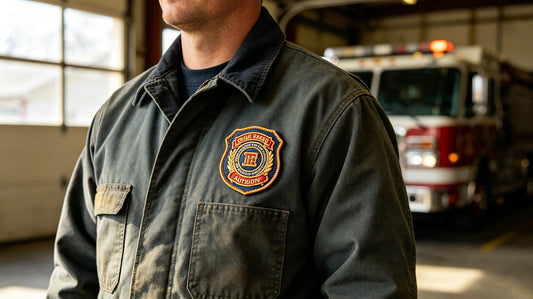
- Visible stitching line around patch edges Best For Work uniforms, heavy-duty tactical gear, motorcycle jackets, long-term commercial apparel Important Tip for 3D Patches Stitch close to the patch outline to prevent edge lifting caused by stereo thickness.

Part 3: Hook & Loop (Velcro) Backing, Removable Tactical Standard
The patch is attached with hook side; matching loop fabric is sewn onto gear. Users can swap patches freely. Advantages
- Fully removable, interchangeable for different occasions
- Zero damage to garments, easy replacement
- Excellent friction resistance for outdoor and tactical use Disadvantages
- Adds extra thickness to patches; bulky when stacked
- Higher production cost than iron-on or sew-on
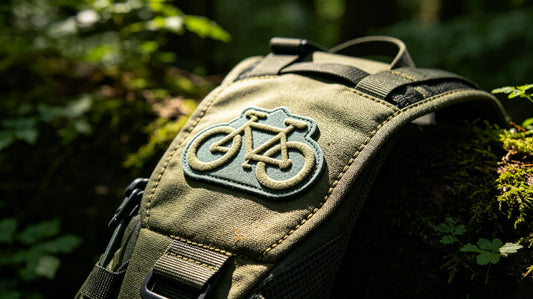
- Not suitable for thin lightweight clothing Best For Tactical vests, military gear, backpack panels, airsoft accessories, collectible morale patches Important Tip for 3D Patches Choose full hook backing instead of partial strips to evenly support the weight of thick stereo badges and prevent tilting.
Part 4: Removable PVC Temporary Adhesive Backing
Peel-and-stick disposable adhesive, designed for short-term temporary attachment. Advantages
- Instant stick-on, no heat or sewing
- Easy removal without leaving residue on most smooth fabrics Disadvantages
- Not washable; falls off after contact with water
- Only for temporary use, not wearable long-term Best For Event conventions, photo shoots, temporary display, promotional one-time use Not Recommended For Any wearable apparel, outdoor gear, 3D patches for daily use

Part 5: Special Custom Backing Variants
1. Rubber Non-Slip Backing
Soft rubber layer, mainly for decorative patches on non-wear surfaces such as mouse pads, craft boxes. Not for clothing.
2. Waterproof Latex Backing
Seals the base fabric, prevents water penetration inside the patch. Often combined with sew-on backing for outdoor waterproof gear.
3. Double-Sided Heat Seal Backing
Specialized for industrial garment mass production. Requires professional heat press equipment, not household iron compatible.
Part 6: Direct Comparison Table for All Backing Types
表格
| Backing Type | Wash Durability | Reusable | Fit for 3D Patches | Household DIY Friendly |
|---|---|---|---|---|
| Iron-On Heat Seal | Medium | No | Yes (with temperature control) | ✅ Very easy |
| Sew-On Twill | Excellent | No | ✅ Highly recommended | ❌ Need sewing |
| Hook & Loop | Excellent | ✅ Removable | Yes | ❌ Pre-install loop fabric required |
| Temporary PVC Adhesive | Very low | No | Not recommended | ✅ Instant stick |

Part 7: Scenario-Based Backing Selection Rules
Casual Fashion & Merchandise
Primary choice: Iron-On heat seal Upgrade option: Sew-on for premium long-lasting apparel
Tactical / Morale Patches
Primary choice: Hook & loop backing Backup: Sew-on for permanent fixed mounting
Work Uniforms & Industrial Laundry
Only recommended: Sew-on backing Avoid: Iron-on; repeated industrial washing will cause peeling
Outdoor Waterproof Gear
Recommended: Sew-on + optional waterproof latex backing Avoid: Iron-on; many outdoor fabrics have waterproof coating
Event Temporary Promotional Patches
Primary choice: Temporary PVC adhesive for display If attendees need wearable keepsakes: Switch to iron-on backing
Part 8: Common Backing Mistakes to Avoid
- Order iron-on backing for leather jackets High temperature destroys leather; always select sew-on
- Use hook & loop patches on thin t-shirts Extra thickness creates uncomfortable bulging and deformation
- Apply high-temperature iron directly on 3D iron-on patches Causes foam collapse and permanent loss of stereo shape
- Expect temporary adhesive patches to survive washing Temporary glue is water-soluble and not designed for laundering
- Choose partial hook backing for large heavy 3D badges Uneven support leads to sagging and edge curling

Part 9: 2026 Backing Production Trend
More brand orders adopt dual solution design: Iron-on base for quick positioning, paired with edge sewing as reinforcement. Meanwhile, low-profile thin hook backing is gradually popularized for lightweight tactical patches to reduce overall thickness without sacrificing removability. Manufacturers also upgrade low-temperature heat seal glue specially formulated for 3D embroidered patches to lower foam overheating risks.
Final Summary Core Rule
Select backing according to usage scenario, fabric type and expected durability. Iron-on is convenient for casual wear; sew-on delivers maximum wash resistance for uniforms and heavy gear; hook & loop is ideal for interchangeable tactical morale patches. For all 3D embroidered badges, pay attention to heat limitations when using adhesive backing. Avoid temporary PVC adhesive for wearable products. Matching the correct backing eliminates installation failures and greatly extends the service life of custom embroidered patches.
Frequently Asked Questions
Q1: Can I add hook and loop after receiving patches? A: Yes, but factory pre-attached hook backing is flatter and more uniform than manual after-installation.
Q2: Are iron-on 3D patches reliable for jackets? A: Suitable for light washing. If you plan frequent washing, edge sewing reinforcement is strongly advised.
Q3: Which backing works best for leather patches? A: Sew-on plain backing. Any heat-activated adhesive will damage leather surfaces.
Q4: Can I switch backing type after production starts? A: Changes are only allowed before cutting and laminating backing. Once production begins, backing modification is not feasible.
Tags:
Previous
3D Embroidered Badge QC Defect Guide | Full Inspection Standards, Scoring Rules & Finishing Defect Fixes
Next
Custom Embroidered Patch Size Design Guide | Minimum Text Limit, Proportion Rules, 3D Patch Dimension Pitfalls