Custom Patch Twill Fabric Guide | Material Types, Weight Grade, Color Options & Craft Matching Tips
All standard embroidered patches rely on twill textile as core base layer, which bears thousands of needle penetrations during embroidery production. Inferior thin or mismatched twill easily triggers fabric deformation, stitch sinking and shrinkage after washing, greatly shortening patch service life. Cotton twill, polyester twill and heavy canvas twill occupy mainstream market share with distinct physical properties, price levels and applicable scenes. Mastering fabric differences helps optimize finished quality without unnecessary material upgrade cost.
Custom 3D embroidered patches supplies standard premium polyester twill as default base, with optional cotton and heavy canvas twill upgrade for special customized orders.

Part 1: Three Main Twill Base Material Categories
1. Standard Polyester Twill (Factory Default Option)
Made of pure polyester fiber, the most widely used economical base fabric for regular patches.
- Features: Stable size, minimal shrinkage after laundry, smooth uniform weave, abundant stock colors, moderate cost
- Pros: Anti-wrinkle, resistant to mold and moisture, perfect compatibility with ordinary flat embroidery
- Cons: Slightly less natural matte texture compared with pure cotton twill
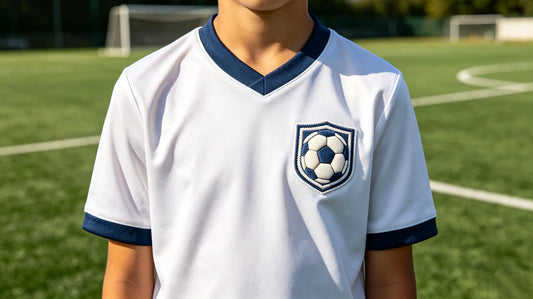
- Best use: Team uniform chest patches, promotional giveaway patches, daily casual decorative emblems
2. Natural Cotton Twill (Mid-Grade Upgrade Choice)
100% natural cotton woven twill with soft matte organic texture, popular for vintage style customized patches.
- Features: Warm natural texture, superior dyeing affinity, eco-friendly raw material, slight natural shrink rate below 3%
- Pros: High-end vintage visual effect, comfortable texture ideal for apparel close to skin
- Cons: Higher material cost, prone to minor shrinkage after first hot water wash
- Best use: Retro merch patches, high-end apparel accessories, boutique brand limited emblems
3. Heavy Canvas Twill (Heavy-Duty Premium Upgrade)
Extra thick compact woven twill, ultra-rigid structure for oversized and high-load patches.
- Features: High density thick weave, stiff anti-deformation property, strong anti-abrasion capability
- Pros: Never sag under dense heavy stitching, excellent support for large full-fill embroidery
- Cons: Thick texture raises overall patch thickness, higher unit cost
- Best use: Oversized biker back patches, heavy-duty tactical uniform emblems, 3D high-fill foam embroidery

Part 2: Twill Weight Grade Division & Size Matching Rules
- Lightweight twill (4oz): For patches below 2.5 inches such as hat front logos, collar mini marks; ultra-soft to avoid bulking on compact small positions
- Standard medium twill (6oz): Universal golden specification for 2.5–5 inch regular patches, default factory configuration for 85% of orders
- Heavy thick twill (8oz+): Specially customized for patches over 5 inches and dense full-stitch artwork, prevents base fabric sagging under heavy thread weight
Part 3: Twill Background Color Customization Rules
- In-Stock Standard Colors: Hundreds of pre-dyed black, white, navy, red, khaki etc twill in factory inventory with zero extra dyeing charge, fastest production turnaround
- Custom Pantone Dyed Twill: For exclusive brand-specific background shades requiring special bulk dyeing, minimum quantity restriction and extra color development fee apply
- No-Base Transparent Style: Cut out twill base entirely (laser cut), mainly applied for woven labels instead of common embroidery patches

Part 4: Craft-Specific Twill Matching Standard
Flat Regular Embroidery
Medium 6oz polyester twill = cost-effective standard pick; cotton twill upgrade for vintage style requirements
3D Foam Puffy Embroidery
Must select 6oz+ thick twill; thin lightweight twill cannot support foam layer and easily collapses after extrusion
Full Dense Stitch Solid Embroidery
Heavy canvas twill mandatory, dense thread weight pulls thin base cloth out of shape otherwise
Woven Label Patches
Ultra-fine thin twill or full laser cut no-base design for slim lightweight clothing inner tags

Part 5: Cost-Effective Fabric Selection Tips
- Ordinary bulk team orders stick with default polyester medium twill to save upgrade expense
- Small hat patches under 2.5 inches choose lightweight twill to avoid excessive bulk on cap panels
- Large full-fill artwork upgrade to heavy canvas twill to prevent post-production deformation and after-sales issues
- Vintage boutique projects select cotton twill only for limited batches to control overall budget
Part 6: Common Twill Selection Mistakes To Avoid
- Oversized full-fill patch using cheap thin lightweight twill → fabric sagging and uneven embroidery surface
- Mini cap patch upgrading to thick canvas twill → stiff bulging distorts cap front panel shape
- Random custom dyed twill for small quantity single-piece orders → expensive separate dye setup cost
- Using cotton twill for low-budget bulk promotional patches → unnecessary cost increase with negligible visible improvement

Final Summary Core Rule
Polyester medium twill = default universal economical option; cotton twill = vintage high-end upgrade; heavy canvas twill = large full-stitch & 3D foam exclusive choice; small patches pick lightweight twill, big artwork uses thick base; use in-stock twill colors to skip custom dye fees.
Matching proper twill fabric is the invisible key to stable long-term patch quality.
Frequently Asked Questions
Q1: What is the default base fabric for regular custom embroidered patches?
A: Standard medium-weight polyester twill is the factory complimentary default material.
Q2: Which twill is best for oversized full-stitch biker back patches?
A: Thick heavy canvas twill provides enough structural support against stitching deformation.
Q3: Is cotton twill more expensive than regular polyester twill?
A: Yes, pure cotton twill counts as premium upgrade with additional per-unit material cost.
Q4: Can I get custom unique twill background colors for small orders?
A: Small batch custom dyed twill incurs extra dye setup cost; pre-existing stock colors are recommended for cost control.
Tags:
Previous
Custom Patch Merrow Edge Guide | Merrow Styles, Color Options, Cost Difference & Craft Matching Tips
Next
Custom Patch Minimum Order Quantity Guide | Zero MOQ vs Bulk MOQ Cost, Production Lead Time & Hidden Fees