Custom Patch Merrow Edge Guide | Merrow Styles, Color Options, Cost Difference & Craft Matching Tips
Merrow stitching is the most widely adopted edging process for finished custom patches, preventing fabric fraying while outlining patch contour to boost overall three-dimensional sense. Different edge styles directly change patch grade, production cost and applicable usage scenarios: single merrow keeps economical pricing for daily team patches, double merrow upgrades premium texture for souvenir collectibles, and laser no-merrow delivers minimalist sleek effect for high-end woven labels. Understanding edge characteristics helps avoid mismatched style selection and redundant upgrade expense during customization.
Custom 3D embroidered patches includes free standard single merrow for all base orders, with transparent upgrade pricing for double merrow and laser cut edge finishing options.

Part 1: Three Core Mainstream Patch Edge Finishing Types
1. Standard Single Merrow (Default Free Option)
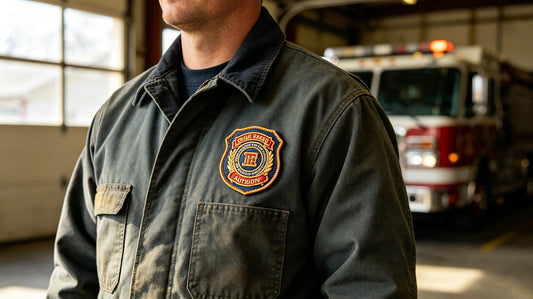
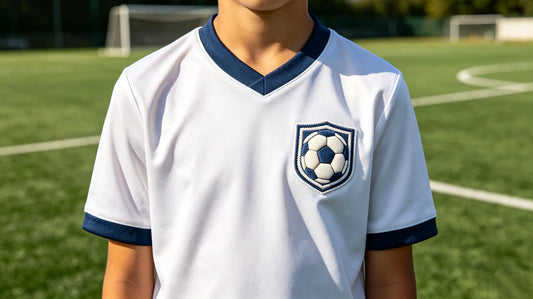
Single-layer spiral wrapped stitching surrounding patch perimeter, factory’s complimentary default finishing for embroidery & woven patches.
- Cost: Free base inclusion without extra upgrade fee
- Pros: Balanced protection against edge fray, classic versatile look matching most ordinary uniform patches
- Cons: Medium thickness border, unable to create prominent heavy decorative outline
- Best fit: Corporate chest logos, regular team uniform emblems, daily promotional gift patches
2. Double Thick Merrow (Premium Paid Upgrade)
Dual stacked dense merrow stitching forming bold thick outline, thicker 2x border width than standard single merrow.
- Cost: Extra per-piece upgrade surcharge
- Pros: Robust anti-wear performance, eye-catching layered premium appearance, excellent for collectible limited patches
- Cons: Occupies extra peripheral space, unsuitable for patches below 2 inches in dimension
- Best fit: Biker vest large back patches, limited-edition souvenir patches, high-value branded merch
3. Laser Cut No-Merrow Edge (Minimalist Upgrade)
Computer laser precision cutting raw fabric edge with zero wrapped merrow thread, smooth neat naked border.
- Cost: Separate customized processing fee varies by patch shape complexity
- Pros: Ultra-clean minimalist aesthetic, maximizes usable graphic area on small-size patches
- Cons: Raw fabric edge prone to slight fray after long-term heavy friction, not ideal for frequent-wash workwear
- Best fit: High-density woven clothing labels, minimalist brand patches, thin apparel inner markings

Part 2: Merrow Border Color Matching Rules
- Tone-in Matching Merrow: Merrow thread shares identical color with patch main border graphic, seamless integrated low-key visual effect, top pick for formal business uniform customization.
- Contrast Color Merrow: Adopt opposite hue border to highlight patch outline, commonly black/white contrasting edge for cartoon, tactical and casual street style patches.
- Multi-Color Custom Merrow: Segmented different colored merrow along irregular contoured patch edges, exclusive personalized upgrade for custom artwork with multi-boundary design, applicable for special-shaped souvenir emblems only.
Part 3: Craft Specific Edge Selection Recommendations
Embroidered Patches
Single merrow = universal default; double merrow preferred for oversized biker patches; laser cut rarely used for embroidery due to twill fabric fray risk.
Woven Patches
All three styles available; laser no-merrow is mainstream choice for tiny collar woven labels, single merrow for outer garment decorative woven emblems.
PVC Rubber Patches
No fabric merrow needed by default; edge is molded directly during injection, optional printed outline as substitute decorative border.
Heat Transfer Patches
Full laser cut edge standard, no merrow stitching applicable for printed transfer craft.

Part 4: Cost Saving Tips On Merrow Edge Upgrade
- Stick with free standard single merrow for bulk regular team orders to skip extra upgrade cost.
- Avoid double merrow on patches smaller than 2.5 inches; thick border crowds inner graphic details and wastes upgrade budget.
- Choose laser cut only for ultra-small woven labels; single merrow is more cost-efficient for medium-large decorative patches.
- Unify merrow color specification for whole batch order to avoid split small-batch color setup extra fees.

Part 5: Common Merrow Selection Mistakes To Avoid
- Adding expensive double merrow on mini hat patches under 2 inches → thick edge covers part of core logo design
- Pick laser no-merrow for outdoor frequently washed work uniform patches → raw edge gradually frays after repeated laundry
- Random multi-color merrow for formal corporate brand patches → messy mismatched color damages professional brand image
- Pay unnecessary laser cut upgrade cost for regular embroidery patches where free single merrow suffices
Final Summary Core Rule
Standard single merrow = free universal default for most orders; double merrow = premium upgrade for large collectible patches; laser no-merrow = minimalist pick for tiny woven labels; formal uniforms use tone matching merrow, casual designs adopt contrasting edge; avoid thick merrow on small dimension patches to save cost and preserve design space.
Reasonable merrow selection balances patch aesthetics, durability and overall customization budget.

Frequently Asked Questions
Q1: Is standard single merrow free of extra cost?
A: Yes, single merrow is included free for base price of regular embroidered and woven patch orders.
Q2: Can double merrow be applied to small patches under 2 inches?
A: Technically possible but not recommended; thick border squeezes inner design space and ruins proportion.
Q3: Which edge option is best for mini woven clothing labels?
A: Laser cut no-merrow edge delivers the neatest minimalist effect for small woven inner labels.
Q4: Are PVC rubber patches available with merrow stitching?
A: No, PVC patches are injection molded with integrated edges without fabric for merrow stitching.
Tags:
Previous
Custom Patch Sew On Backing Guide | Professional Stitching Tips, Durability & Best Usage Scenarios
Next
Custom Patch Twill Fabric Guide | Material Types, Weight Grade, Color Options & Craft Matching Tips