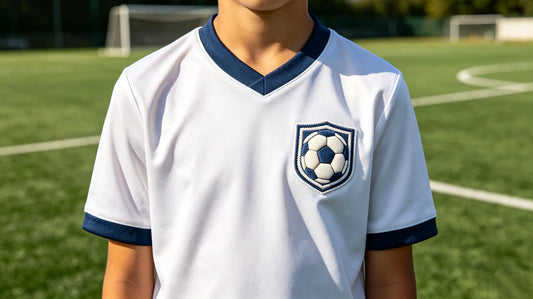
Custom Patch Sew On Backing Guide | Professional Stitching Tips, Durability & Best Usage Scenarios
Among all patch backing options, sew-on backing is the only permanent, lifetime durable solution. Hot-melt glue and adhesive backings age, fail and peel over time; Velcro loosens after long-term friction. In contrast, properly sewn patches can outlast the garment itself, resisting unlimited machine washes, outdoor exposure and daily high friction. For formal uniforms, long-term work apparel, outdoor gear and collectible patches, sew-on backing remains the industry standard for professional and high-durability requirements.
Custom 3D embroidered patches defaults to premium sew-on backing for all formal orders, providing clean no-glue raw backing ready for professional hand or machine stitching.

Part 1: Why Sew-On Backing Is The Most Premium & Durable Option
1. Unlimited Wash Resistance
Sewn patches have no glue aging problem. They can withstand hundreds of washes without edge lifting, peeling or loosening, far exceeding the lifespan of adhesive and iron-on patches.
2. Zero Surface Damage Risk
Sewing only creates tiny uniform needle holes without chemical glue residue, high-temperature scorch marks or sticky stains, protecting high-value garments perfectly.
3. Ultra-Formal & Flat Appearance
Stitched patches lay completely flat on fabric with no bulging backing layer, presenting a neat, rigorous and professional look required for official uniforms.
4. Strong Anti-Friction Performance
Stitched edges resist daily rubbing, backpack friction and outdoor abrasion, ideal for long-term high-frequency use scenarios.

Part 2: Three Professional Patch Edge Stitching Styles
1. Invisible Tone-On-Tone Stitching (Most Popular Formal Style)
Use thread identical to the merrow edge color. Stitches blend into the border completely, almost invisible from a distance.
- Advantages: Clean, minimalist, high-end formal texture
- Best fit: Corporate uniforms, school emblems, official team apparel
2. Contrast Visible Stitching (Decorative Casual Style)
Use black, white or colored contrasting thread to highlight patch outline, enhancing layered visual effect.
- Advantages: Stylish, three-dimensional, strong decorative sense
- Best fit: Streetwear, moto vests, casual jacket decorations
3. Dense Full Edge Stitching (Heavy-Duty Durability Style)
Short dense stitches covering the entire border, maximizing firmness for outdoor and work uniforms.
- Advantages: Extremely sturdy, anti-loose, anti-fray
- Best fit: Outdoor work gear, tactical uniforms, long-term service apparel

Part 3: Hand Sewing vs Machine Sewing Pros & Cons
Hand Stitching
- Pros: Flexible for curved and irregular patch shapes, no fabric wrinkling, easy position correction
- Cons: Slower speed, requires patience, uneven stitches for beginners
- Recommended for: Small batch formal uniforms, high-end custom garments, delicate fabric
Machine Stitching
- Pros: Uniform neat stitches, ultra-fast, perfectly consistent batch effect
- Cons: Fixed track, not friendly for ultra-small patches
- Recommended for: Large team uniform batches, standard regular-shaped patches
Part 4: Standard Professional Sewing Tips For Perfect Results
1. Thread Color Matching Rule
Always match thread tone with patch merrow edge color instead of garment color for the most integrated look. Avoid colorful random thread that destroys uniformity.
2. Needle & Thread Selection
Use medium-strength polyester thread; cotton thread fades and breaks easily after washing. Choose thin sharp needles to prevent large pinholes on delicate fabrics.
3. Stitch Density Control
Keep uniform stitch spacing (2–3mm per stitch). Too sparse causes looseness; too dense causes edge hardening and fabric wrinkling.
4. Corner Reinforcement
Slow down and add extra stitches at patch four corners, the most common loose positions after long-term wear.
5. Final Knot Hidden Treatment
Hide internal knots inside the patch backing instead of leaving exposed outer knots to maintain flawless surface appearance.

Part 5: Best & Unsuitable Scenarios For Sew-On Patches
Must-Choose Sew-On Scenarios
- Formal corporate, school and team official uniforms
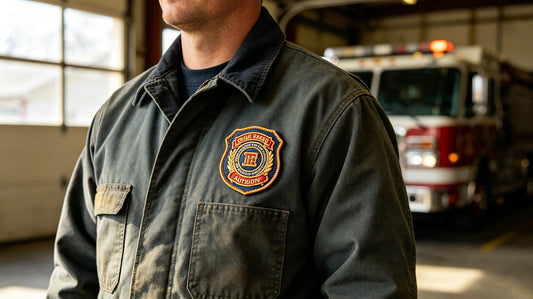
- Long-term daily work clothing requiring frequent washing
- High-value jackets, leather garments and collectible apparel
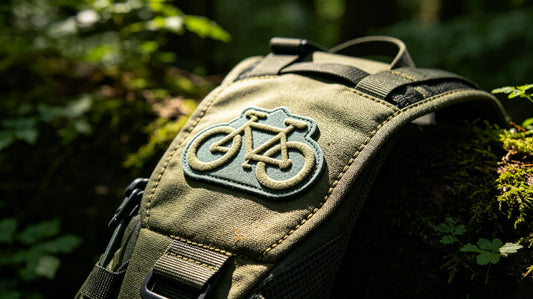
- Outdoor tactical gear with high friction usage
- Bulk uniform orders requiring unified professional appearance
No Need For Sew-On Scenarios
- Temporary event decoration and short-term use patches
- Frequently replaced morale patches (choose Velcro)
- Quick DIY casual decoration (choose iron-on/self-adhesive)
Part 6: Common Sewing Mistakes To Avoid
- Mismatched random thread color → destroys formal uniform consistency
- Sparse uneven stitching → edge loosens easily after washing
- Exposed outer knots and messy back threads → unprofessional finished detail
- Skipping corner reinforcement → four corners lift first during long-term use
- Over-tight stitching → fabric wrinkling and distorted patch shape
Final Summary Core Rule
Sew-on = longest lifespan + most formal appearance + unlimited washes; match thread with merrow edge tone; reinforce four corners; uniform stitch density; formal uniforms must use sew-on; temporary decoration chooses other backings.
Professional sewing turns standard patches into permanent high-grade garment embellishments.

Frequently Asked Questions
Q1: Are sew-on patches better than iron-on patches?
A: Yes, sew-on patches are far more durable, wash-resistant and formal with permanent service life.
Q2: What thread color should I use for sewing patches?
A: Match the thread color to the patch merrow edge for invisible and neat stitching results.
Q3: Can sewn patches fall off after long-term use?
A: Properly stitched patches will not fall off and can last longer than the garment itself.
Q4: Is hand sewing or machine sewing better for custom patches?
A: Machine sewing is neater for bulk orders; hand sewing is more flexible for irregular and delicate patches.
Tags:
Previous
Custom Patch Iron On Backing Guide | Application Steps, Heat Settings, Wash Durability & Common Fail Fixes
Next
Custom Patch Merrow Edge Guide | Merrow Styles, Color Options, Cost Difference & Craft Matching Tips