Custom Patch Velcro Backing Guide | Loop & Hook Type, Strength, Replacement & Tactical Usage
Velcro (hook & loop) backing is the top choice for users pursuing flexibility and reusability. Unlike fixed sew-on or iron-on backing, Velcro patches support random disassembly, position switching and seasonal replacement, which is irreplaceable for tactical gear, collectible patch boards, team variable badges and daily decorative accessories. However, most buyers do not understand the difference between hook-side and loop-side backing, often ordering mismatched configurations that cause weak adhesion, easy shedding and unusable patches. Mastering Velcro backing types, strength grades and usage rules ensures stable, long-term removable patch performance.
Custom 3D embroidered patches provides standard and heavy-duty Velcro backing upgrades, with free hook/loop matching suggestions to ensure perfect adaption for all tactical and daily removable patch needs.

Part 1: Core Difference Between Hook Side & Loop Side Velcro Backing
1. Hook Side (Hard Side)
The hard, textured surface with tiny plastic barbs, the active adhesion side of Velcro.
- Features: Strong gripping force, hard touch, slightly scratchy texture
- Advantages: Ultra-firm adhesion, not easy to fall off during strenuous exercise
- Disadvantages: Slightly abrasive, may scratch soft fabric or delicate inner lining
- Standard usage: Factory default backing for custom patches
2. Loop Side (Soft Side)
The soft, fuzzy plush surface that accepts hook barbs for bonding.
- Features: Soft and smooth touch, no abrasion on fabric
- Advantages: Protects clothing surface, comfortable for direct skin contact
- Disadvantages: Slightly lower instant adhesion strength
- Standard usage: Pre-attached on tactical vests, backpacks, hats and gear panels
Key Matching Rule
Patches usually come with hook-side backing; gear/equipment comes with loop-side surface. Only hook + loop combination achieves adhesion.

Part 2: Two Industrial Velcro Strength Grades
1. Standard Duty Velcro (Daily General Use)
Suitable for ordinary backpacks, hats, casual jackets and decorative patches. Balanced softness and adhesion, resistant to daily shaking and slight friction, perfect for 90% of personal custom patch orders.
2. Heavy-Duty Industrial Velcro (Professional Tactical Use)
Thicker fiber density, doubled gripping force, anti-shock and anti-drop. Suitable for outdoor sports, tactical training, high-intensity activity scenarios where patches need to resist violent shaking and pulling. No falling off during running, jumping and strenuous movement.
Part 3: Unique Advantages Of Velcro Backing Patches
1. Unlimited Repeated Disassembly & Replacement
Users can switch patch styles, adjust positions and update badges anytime without damaging clothes or gear, realizing unlimited pattern rotation and matching.
2. Zero Damage To Garments
No sewing holes, no high-temperature ironing traces, completely protect the integrity and texture of high-value jackets, tactical vests and limited-edition apparel.
3. Strong Wash Resistance
Industrial glue-laminated Velcro backing does not peel or fall off after repeated washing, far more durable than ordinary iron-on backing.
4. Perfect For Collectible Patch Management
Velcro patch display boards allow centralized collection, classification and display of patch sets, convenient for long-term preservation and viewing.

Part 4: Applicable & Inapplicable Scenarios For Velcro Patches
Best Scenarios For Velcro Upgrade
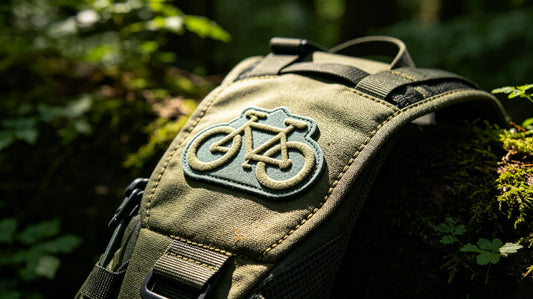
- Tactical vests, airsoft gear and outdoor backpacks
- Team variable identity badges and activity temporary emblems
- Fan collection patch sets and display board decoration
- High-end garments that cannot be sewn or ironed
- Seasonal replacement decorative patches
Not Recommended For Velcro Backing
- Formal long-term fixed uniform logos (sew-on is neater and flatter)
- Super tiny mini patches below 2 inches (Velcro edge easily exposes)
- High-frequency washing work uniforms (sewn backing is more stable)
Part 5: Velcro Patch Daily Maintenance & Strength Recovery Tips
- Clean dust and lint on Velcro surface regularly: accumulated fluff will greatly reduce adhesion strength
- Avoid long-term high-temperature extrusion to prevent Velcro fiber deformation
- Wash patched gear with Velcro closed to avoid fiber hooking and damage
- For weakened adhesion, trim surface lint and shake off debris to restore most gripping force

Part 6: Common Velcro Backing Mistakes To Avoid
- Order loop-side patch backing for blank gear → same sides cannot bond, resulting in zero adhesion
- Use standard Velcro for high-intensity outdoor tactical activities → easy shedding during movement
- Apply Velcro backing on formal business uniforms → bulky and unprofessional appearance
- Ignore lint cleaning leading to weakened sticking force → patches fall off easily
Final Summary Core Rule
Patch = hook side Velcro; gear = loop side surface; standard duty for daily decoration; heavy-duty for tactical outdoor use; Velcro = detachable & no garment damage; formal fixed uniforms choose sew-on instead; clean lint regularly to maintain adhesion strength.
Correct Velcro configuration ensures flexible, stable and long-lasting removable patch usage.

Frequently Asked Questions
Q1: Should custom patches use hook side or loop side Velcro?
A: Default hook-side backing for patches, matching loop-side fabric on vests and backpacks for perfect adhesion.
Q2: Is Velcro patch backing washable?
A: Yes, industrial laminated Velcro is wash-resistant and will not peel after normal laundry cycles.
Q3: Can Velcro patches fall off during strenuous exercise?
A: Heavy-duty Velcro stays firm during high-intensity movement; standard Velcro fits daily casual use.
Q4: Are Velcro patches suitable for formal work uniforms?
A: Not recommended; sew-on backing provides flatter, neater and more professional visual effects.
Tags:
Previous
Custom Patch Size Placement Guide | Perfect Position for Chest, Sleeve, Hat, Backpack & Vest
Next
Custom Patch Self-Adhesive Backing Guide | Usage, Durability, Removing Residue & Suitable Application