Custom Patch Care & Washing Guide | Laundry Rules, Drying, Ironing & Long-Term Maintenance Tips
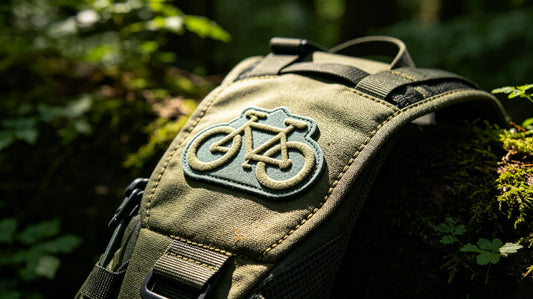
Whether you have embroidered, woven or PVC patches attached to clothes, bags or outdoor gear, scientific maintenance is the key to preserving their color, shape and adhesion. Many patches get damaged not due to poor production quality, but wrong laundry habits: hot water washing, high-temperature drying, strong scrubbing and improper ironing are the top four causes of fading, peeling and fraying. Different craft patches also have targeted care requirements. Follow unified general rules plus craft-specific tips to maximize patch service life.
Custom 3D embroidered patches uses high-quality thread, twill and adhesive materials, and following standard care rules will keep our custom patches in perfect condition for long-term use.

Part 1: Universal Basic Washing Rules (For All Patch Types)
1. Turn Garment Inside Out First
Always flip clothes or bags with patches inside out before washing. This reduces direct friction between patches and other fabrics, preventing thread fraying, surface scratching and color abrasion.
2. Choose Cold or Lukewarm Water
Keep water temperature below 30°C. Hot water accelerates dye fading, melts hot-melt glue on iron-on patches and softens PVC material to cause deformation. Cold water is the safest choice for all patches.
3. Select Gentle Wash Cycle
Use gentle or delicate mode on washing machines. Avoid heavy-duty and strong spinning cycles, which easily loosen patch edges and distort the overall shape.
4. Avoid Strong Detergents & Bleach
Do not use bleach, strong alkaline detergent or stain remover containing chemical solvents. These chemicals break down dye molecules and damage thread, twill and rubber materials. Mild neutral laundry liquid is recommended.
5. No Hard Scrubbing On Patch Surface
When hand washing, gently rub the fabric around the patch only. Never scrub, brush or squeeze the patch forcefully to prevent loose threads and peeling.

Part 2: Craft-Specific Washing Notes
Embroidered & Woven Patches
- They have good wash resistance, but dense embroidery areas are easy to trap dirt; do not use hard brushes to clean thread gaps.
- Avoid long-time soaking (over 2 hours), which may cause slight color bleeding of low-grade dyed thread.
Iron-On Backed Patches
- Strictly prohibit high temperature and long soaking. Prolonged water immersion will gradually fail the hot-melt glue and lead to edge lifting.
- Hand wash is more recommended than machine wash for long-term firmness.
PVC Rubber Patches
- Fully waterproof, no worry about water soaking, but avoid contact with oil stains and corrosive chemicals for a long time.
- Do not rub sharp objects against the surface to prevent scratches on the rubber layer.
Velcro Backed Patches
- Fasten the hook and loop sides together before washing, to stop hook fibers from tangling with other fabrics and causing damage.

Part 3: Standard Drying Methods & Taboos
Recommended: Natural Shade Air Drying
Hang the cleaned items in a cool, well-ventilated area to air dry naturally. This is the safest drying way for all patches, no heat damage and color fading.
Strictly Forbidden Practices
- Direct sunlight exposure: UV rays fade thread, twill and PVC pigment gradually.
- High-temperature tumble dryer: Internal high heat melts iron-on glue, deforms PVC and shrinks twill fabric.
- Near heater or fire source: Extreme heat causes irreversible patch deformation and glue failure.
Part 4: Correct Ironing Guidelines
Embroidered & Woven Patches
- Place a thin cotton protective cloth over the patch before ironing.
- Set iron to medium-low temperature, do not press hard or drag the iron back and forth.
- Avoid long-time ironing on one single area to prevent thread scorching.
PVC Rubber Patches
- Do not iron directly. High temperature will melt and deform the rubber surface permanently.
Iron-On Patches (Loose Edge Repair)
- Use low heat + protective cloth to re-press loose edges, turn off steam function completely.

Part 5: Daily Use & Long-Term Maintenance Tips
- Keep patches away from sharp tools, rough walls and rough ground friction to prevent scratches and fraying.
- For patches on backpacks and tactical vests, regularly clean dust and lint on Velcro parts to maintain adhesion.
- When storing clothes with patches for a long time, fold them neatly and avoid heavy compression for months, especially 3D foam embroidered patches.
- Deal with small stains timely with wet soft cloth, instead of waiting for stubborn dirt to accumulate.
Part 6: Common Care Mistakes To Avoid
- Wash patched clothes with hot water and bleach → rapid fading and material aging
- Put Velcro patches in washing machine without fastening → fiber tangling and damage
- Dry under direct strong sunlight → patch color turns dull within months
- Iron PVC patches directly under high heat → rubber melting and pattern distortion
- Use high-temperature dryer for iron-on patches → large area peeling and complete failure

Final Summary Core Rule
Turn inside out + cold water + gentle cycle + mild detergent = safe washing; shade natural air dry, no sun and no high heat dryer; use protective cloth and low heat when ironing; PVC cannot be ironed; fasten Velcro before laundry; stay away from bleach and sharp friction. Follow these rules to keep patches new and durable for years.
Good daily maintenance is the simplest way to extend patch service life.
Frequently Asked Questions
Q1: Can I put patched clothing in a tumble dryer?
A: Not recommended. High heat will cause peeling, deformation and fading for most patches.
Q2: Is it okay to wash embroidered patches with hot water?
A: No, hot water speeds up color fading and damages adhesive backings. Always use cold water.
Q3: How to iron an embroidered patch safely?
A: Cover with a cotton cloth and use medium-low temperature iron without dragging.
Q4: Do I need to fasten Velcro patches before washing?
A: Yes, it prevents hook fibers from tangling and getting damaged during laundry.
Tags:
Previous
Custom Woven Patches Guide | Weaving Craft, Density, Size Limit, Color Rules & Application Tips
Next
Custom Patch Size Guide | Standard Dimensions, Size Selection Rules & Design Adaptation Tips