3D Embroidered Patches
Popular posts





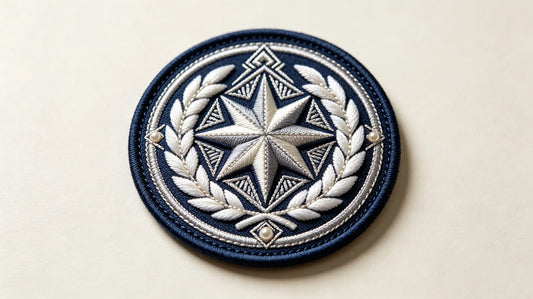
Multi-Level 3D Embroidery Relief Guide | Staggered Height, Layered Stereo & Embossed Sculpture Standards
Most standard pure 3D patches rely on single unified foam height to create stereo effects. While this method produces basic raised texture, it lacks visual depth,...
Aug 07 2026
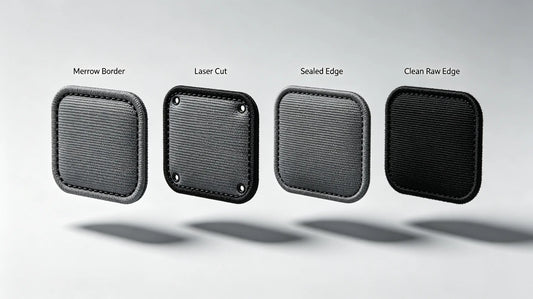
3D Embroidered Patch Edge Craft Guide | Merrow Border, Heat Laser Cut, Sealed Edge & Anti-Fray Standards
Most customers focus on 3D stereo height and surface detail while ignoring the most critical durability component: edge finishing. For flat patches, edge craft only affects...
Aug 07 2026
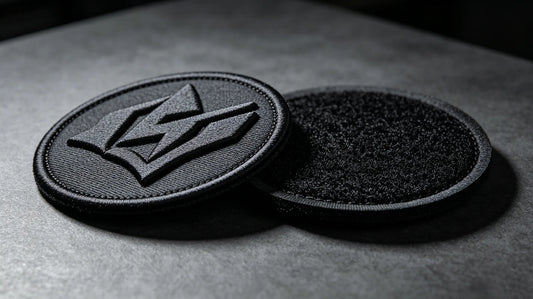
3D Embroidered Patch Velcro & Hook Loop Backing Guide | Industrial Grade Hook & Loop Standard, Firmness & Reusability Rules
Velcro hook and loop backing is the most essential configuration for tactical gear, military uniforms, outdoor equipment, and interchangeable brand patches. Many factories apply standard flat-patch...
Aug 07 2026
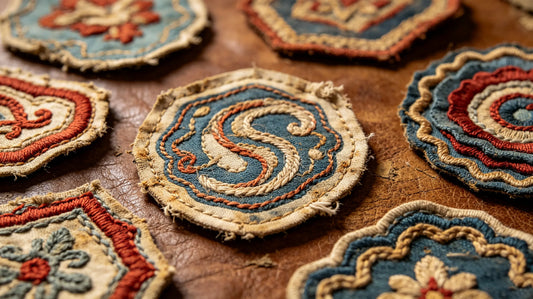
Vintage Washed & Distressed 3D Embroidered Patch Guide | Faded Effect, Retro Abrasion & Old-School Craft Standards
Vintage distressed styling remains one of the most popular aesthetics for streetwear, motorcycle apparel, tactical retro gear and vintage merchandise. Many designers assume distressed finishing works...
Aug 07 2026
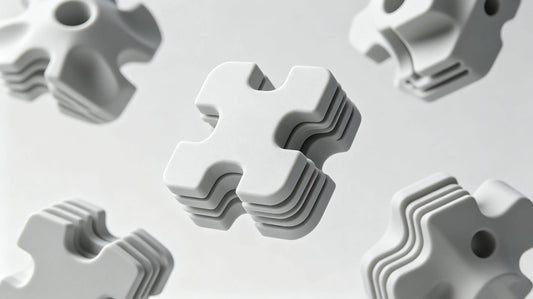
3D Embroidered Patch Irregular & Custom Shape Guide | Curved, Contoured & Special-Shaped Craft Standards
Standard square, rectangular, and circular 3D patches have symmetrical tension and balanced foam stress, making them easy to shape and stabilize. However, irregular, freeform, curved, and...
Aug 07 2026
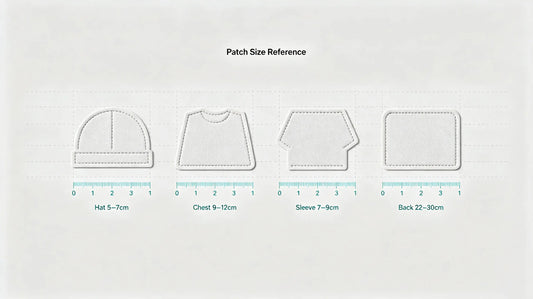
3D Embroidered Patch Size & Proportion Guide | Standard Sizing Rules, Visual Balance & Scalable Design Standards
Most custom 3D patch failures are not caused by craft defects but by incorrect size and proportion matching. Many buyers simply set sizes based on personal...
Jul 14 2026
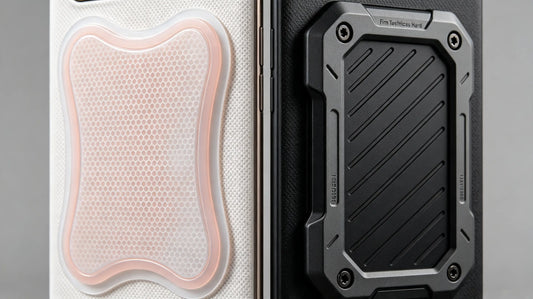
3D Embroidered Patch Hardness & Softness Guide | Foam Density Grading, Hand Feel Classification & Comfort Standards
Many customers only focus on 3D height and appearance, ignoring the most critical user experience indicator: hand feel softness and hardness. Pure 3D embroidered patches rely...
Jul 14 2026
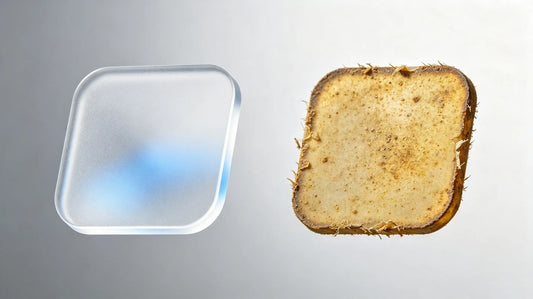
3D Embroidered Patch Anti-Aging & Anti-Yellowing Guide | UV Resistance, Sun Fixation & Long-Term Color Stability Standards
Most custom 3D embroidered patches look perfect out of production but rapidly degrade after months of use. Yellowed foam, faded threads, dull color tone, and softened...
Jul 14 2026
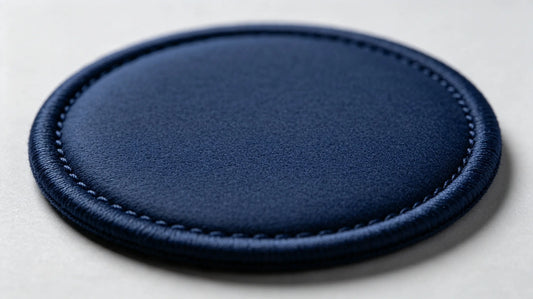
3D Embroidered Patch Color Guide | Solid Color, Contrast Color, Gradient Blending & Color Layering Standards
Most customers assume patch color only depends on thread selection. In fact, pure 3D embroidered patches have exclusive stereo color logic. Unlike flat embroidery that displays...
Jul 13 2026
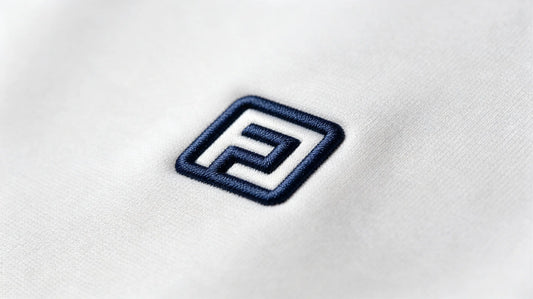
3D Embroidered Patch Mini Logo Guide | Small Size Precision Craft, Fine Stitch Rules & Detail Retention Standards
Standard large-size 3D patches tolerate minor stitch errors and density deviations, but mini 3D logos under 5cm belong to high-precision customized craft. Tiny texts, thin lines,...
Jul 13 2026
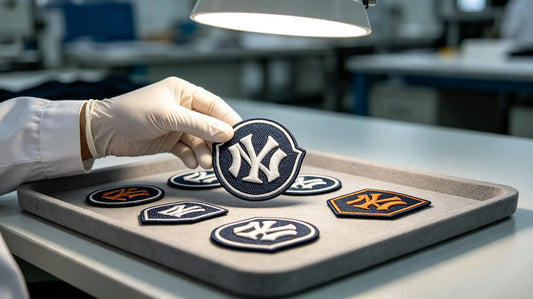
3D Embroidered Patch QC Standards | Factory Full Inspection, Defect Judgment & Acceptance Criteria
Many brand buyers only check patch appearance visually, but pure 3D embroidered patches require far stricter multi-dimensional quality control. Flat embroidery quality only depends on color...
Jul 13 2026
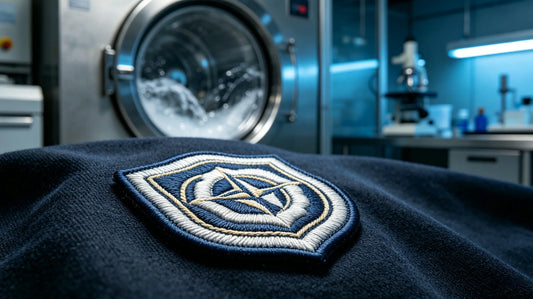
3D Embroidered Patch Washing Guide | Shrinkage Resistance, Color Transfer, Water Fastness & Long-Term Stability
Most flat embroidery patches remain stable after washing, but pure 3D embroidered patches face unique aging risks. The EVA foam core, raised stitch layers, and stereo...
Jul 13 2026