3D Embroidered Patches
Popular posts



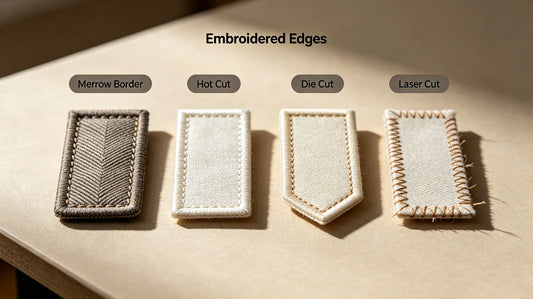
Custom Embroidered Patch Edge Finishing Guide | Merrow Border, Hot Cut, Die Cut & Laser Cut Pros & Cons
Many customers focus on embroidery patterns and stereo effect, ignoring edge finishing technology. Poor edge treatment will cause fabric fraying, edge curling, contour distortion after repeated...
Aug 09 2026
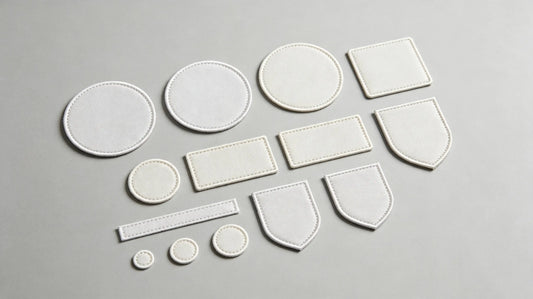
Custom Embroidered Patch Size Design Guide | Minimum Text Limit, Proportion Rules, 3D Patch Dimension Pitfalls
Many clients provide high-quality vector artwork, yet receive finished patches with fuzzy letters, merged outlines and lost small elements. In most cases, the root cause is...
Aug 09 2026
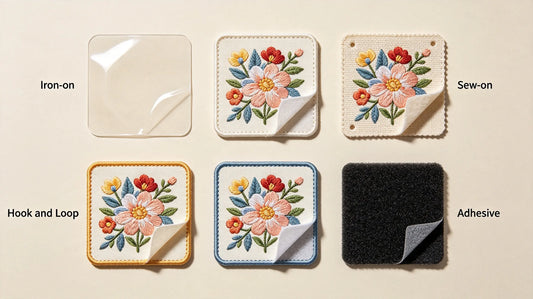
Custom Embroidered Patch Backing Options Guide | Iron-On, Sew-On, Hook & Loop, PVC Adhesive & Special Backing Pros & Cons
Many customers focus only on embroidery patterns, thread colors and stereo effects, ignoring one decisive component: patch backing. The backing layer controls installation method, washing durability,...
Aug 09 2026
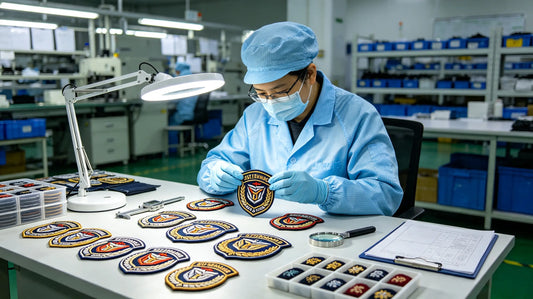
3D Embroidered Badge QC Defect Guide | Full Inspection Standards, Scoring Rules & Finishing Defect Fixes
Most custom patch quality standards are formulated for flat embroidery, which cannot adapt to stereo 3D embroidered badges. 3D patches integrate base fabric, EVA foam interlayer,...
Aug 09 2026
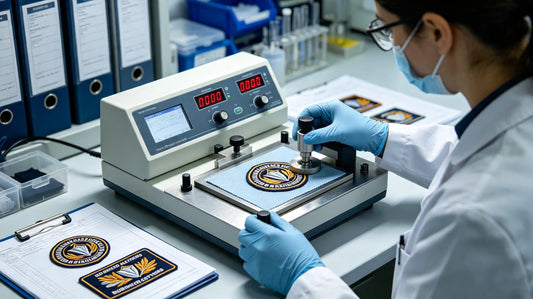
3D Embroidered Badge Wash & Color Fastness Standards | Industrial Washing, Rubbing & Anti-Fading Testing Guide
Most customers judge 3D embroidered badge quality only by appearance and stereo fullness, ignoring the most critical industrial quality indicators: wash fastness, color fastness and rubbing...
Aug 08 2026
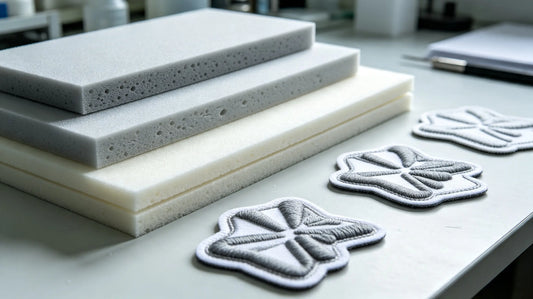
3D Embroidered Badge Foam Material Guide | EVA Foam Density, Thickness Grade & Stereo Resilience Standards
The core difference between flat embroidered badges and 3D embroidered badges is the foam interlayer. Thread density, shaping effect and texture presentation are all based on...
Aug 08 2026
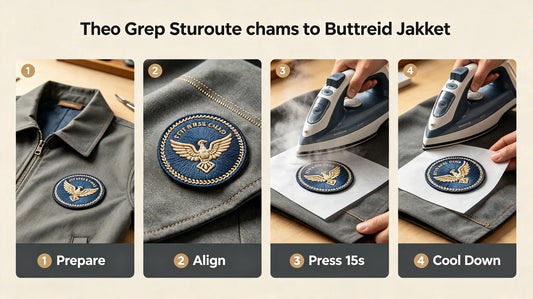
How to Apply 3D Embroidered Badges | Step-by-Step Iron-On Guide, Common Fabric Tips & Mistakes to Avoid
Many customers encounter failure when attaching 3D embroidered badges. After ironing, the stereo shape collapses, edges bubble up, or patches peel off after only a few...
Aug 08 2026
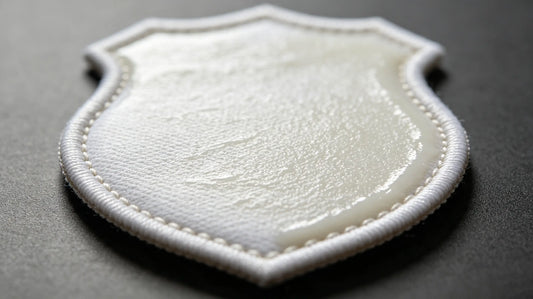
3D Embroidered Badge Adhesive Backing Guide | Heat Seal Glue, Cold Peel, Hot Peel & Permanent Bond Standards
Most customers assume patch glue backing is a universal simple process. However, 3D embroidered badges have completely different adhesive requirements compared with flat embroidery. Flat patches...
Aug 08 2026
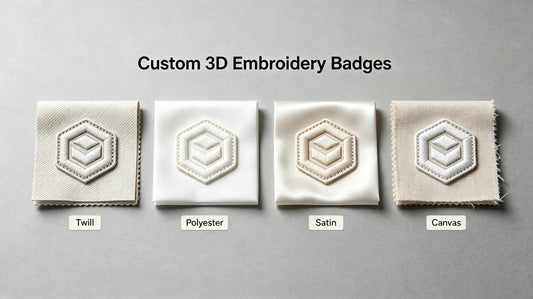
3D Embroidered Badge Base Fabric Guide | Twill, Polyester, Satin & Canvas Base Material Craft Standards
For custom 3D embroidered badges, buyers usually focus on stereo height, thread colors and foam quality, while ignoring the most fundamental carrier: base fabric. For flat...
Aug 08 2026
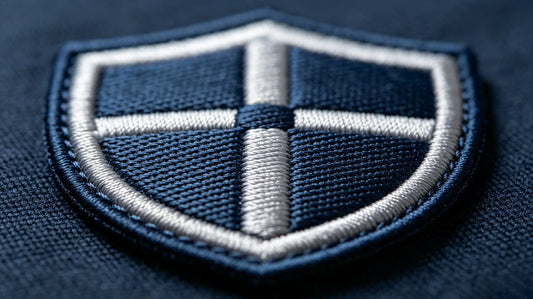
3D Embroidered Patch Thread Density Guide | Stitch Count Grading, Tightness Standard & Texture Uniformity Rules
Most customers evaluate 3D embroidered badges by stereo height and visual appearance, ignoring one decisive internal indicator: thread density and stitch tightness. For ordinary flat embroidery...
Aug 07 2026
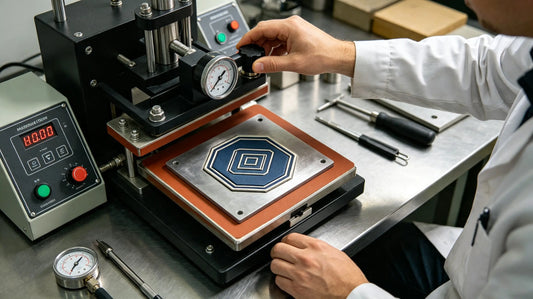
3D Embroidery Compression & Shaping Guide | Heat Setting, Pressure Calibration & Anti-Deformation Industrial Standards
Many people believe that 3D patch stereo effect is completely created by foam thickness. In fact, foam only provides raw height support. The final stereo neatness,...
Aug 07 2026
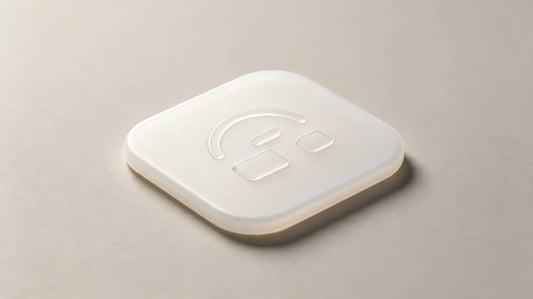
Partial Thickened & Local Raised 3D Embroidery Guide | Fixed-Point Protrusion, Stitch Splicing & Uneven Stereo Standards
Basic full 3D embroidery covers the entire patch with unified foam thickness. Although the production process is simple, it easily causes bloated texture, dull layering, and...
Aug 07 2026