How to Care for Custom Embroidered Patches: Boost Durability & Keep Them Looking New
You’ve invested in high-qualitycustom embroidered patches—whether for your brand, team, personal gear, or special event. Now, you want them to last: no fading, no fraying, no loose threads, and no peeling backing. We’ve covered design, materials, crafts, and ordering—but today, we’re focusing on the often-overlooked step that keeps your patches looking vibrant for years: proper care and maintenance.
The durability of your premium embroidered patches depends on two things: the quality of the materials and craftsmanship (which you’ve already nailed by choosing a reputable supplier) and how you care for them. With the right care routine, your patches can withstand repeated washes, heavy wear, and time—staying true to their original color and shape for years to come.
Why Patch Care Matters (And What Happens If You Skip It)
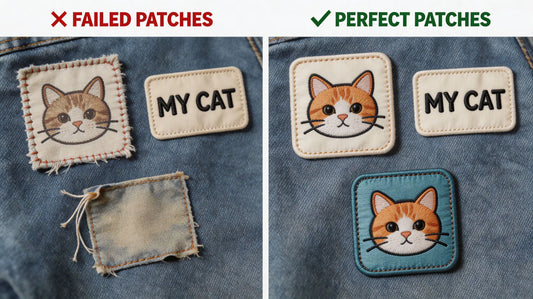
Custom embroidered patches are built to be durable, but they’re not indestructible. Improper care can lead to common issues: faded threads, frayed edges, peeling backing, or loose stitching. For example, washing a patch in hot water can cause polyester threads to fade, while tumble-drying on high heat can melt iron-on backing.
Whether your patches are on jackets, hats, uniforms, or accessories, proper care ensures they maintain their professional look and longevity. This is especially important for brand patches (which represent your business) and sentimental patches (like varsity or memorial designs). By following our simple care guide, you’ll protect your investment and keep your patches looking like new.

First: Understand Your Patch’s Durability (Based on Materials & Backing)
Before diving into care tips, it’s important to know how durable your custom embroidered patches are—this depends on the materials, craft, and backing you chose. Here’s a quick breakdown to tailor your care routine:
Durability by Material & Craft
-
Polyester Thread Patches (2D/3D Puff): Most durable option—color-fast, resistant to fading and fraying. Can handle frequent washing and heavy wear (ideal for everyday apparel).
-
Metallic/Glow-in-the-Dark Thread Patches: Slightly less durable—metallic threads can fray if rubbed too much, and glow-in-the-dark threads lose their glow over time with frequent washing.
-
Chenille Patches: Least durable—soft, fuzzy threads can fray easily. Best for occasional wear and gentle care (avoid frequent washing).
-
Cotton Thread Patches: Fades faster than polyester—best for decorative patches that don’t get washed often.
Durability by Backing
-
Sew-On Backing: Most durable—permanent hold, withstands frequent washing and heavy wear (no peeling).
-
Hook & Loop Backing: Durable but can wear out over time—avoid excessive rubbing or washing to keep the hook/loop functional.
-
Iron-On Backing: Durable if applied correctly—can peel if washed in hot water or tumble-dried on high heat.
-
Peel & Stick Backing: Temporary—not designed for washing or long-term wear (best for one-time events).

Step-by-Step Care Guide for Custom Embroidered Patches
Follow these simple steps to care for your custom embroidered patches, regardless of material or backing. These tips will prevent fading, fraying, and peeling, and keep your patches looking vibrant.
1. Washing Tips (The Most Important Step)
Washing is the biggest cause of patch damage—follow these rules to keep your patches safe:
-
Wash Inside Out: Turn the garment (jacket, hoodie, etc.) inside out before washing. This protects the patch from rubbing against other items in the wash, which can cause fraying or thread damage.
-
Use Cold Water: Wash in cold water (max 30°C/86°F). Hot water can cause threads to fade, shrink, or loosen, and can melt iron-on backing.
-
Choose Gentle Cycle: Use the gentle or delicate cycle on your washing machine. Aggressive cycles can agitate the patch, leading to loose stitching or peeling.
-
Avoid Harsh Detergents: Use mild, non-abrasive detergent. Harsh detergents (with bleach or strong chemicals) can fade threads and damage the backing.
-
Skip the Bleach: Never use bleach or fabric softener—bleach fades colors, and fabric softener can leave a residue that weakens the backing.
-
Hand Wash for Delicate Patches: For chenille, metallic, or vintage patches, hand wash the garment in cold water with mild detergent. Gently squeeze (don’t rub) the patch to avoid damage.
2. Drying Tips (Prevent Peeling & Shrinkage)
How you dry your patches is just as important as how you wash them. Follow these tips to avoid peeling or warping:
-
Air Dry Whenever Possible: Hang the garment to air dry (inside out) in a cool, dry place. Air drying is the gentlest option and prevents heat damage to the patch and backing.
-
Avoid Tumble Drying (If Possible): Tumble drying on high heat can melt iron-on backing, shrink threads, or cause fraying. If you must tumble dry, use the lowest heat setting and remove the garment as soon as it’s dry.
-
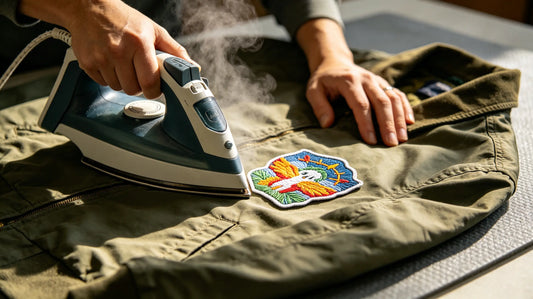
Don’t Iron Directly on the Patch: If you need to iron the garment, iron it inside out (avoiding the patch) or place a thin cloth over the patch before ironing. Direct heat can damage threads or melt the backing.
3. Storage Tips (Keep Patches Looking Fresh)
Proper storage prevents dust, wrinkles, and damage when your patches aren’t in use:
-
Store in a Cool, Dry Place: Avoid damp or humid areas (like basements or closets) — moisture can cause mold or mildew on the patch, especially on cotton or chenille.
-
Hang Garments with Patches: For jackets, hoodies, or uniforms with patches, hang them on hangers to avoid creasing the patch. Avoid folding the patch, as this can cause loose threads.
-
Store Loose Patches in a Container: If you have loose patches (not attached to garments), store them in a sealed container (like a plastic box or envelope) to keep them clean and prevent damage.
-
Avoid Direct Sunlight: Don’t store garments or patches in direct sunlight—UV rays can fade threads over time, especially for metallic or cotton patches.
4. Repair Tips (Fix Loose Threads & Peeling Backing)
Even with proper care, patches can develop small issues—here’s how to fix them before they get worse:
-
Loose Threads: Use a small pair of scissors to trim loose threads (don’t pull them—this can cause more fraying). For longer loose threads, use a needle and thread to stitch them back into place (match the thread color to the patch).
-
Peeling Iron-On Backing: If the iron-on backing starts to peel, place a thin cloth over the patch and iron it on low heat for 10–15 seconds. This will reactivate the adhesive and reattach the patch.
-
Frayed Edges: For minor fraying, apply a small amount of fabric glue (clear, flexible) to the edge of the patch to prevent further fraying. Be careful not to get glue on the threads—this can stiffen the patch.
-
Hook & Loop Wear: If the hook & loop backing starts to lose its grip, gently clean the hook side with a soft brush to remove lint or debris. If it’s too worn, you can replace the hook & loop strip (available at craft stores).

Durability Boosting Tips (Make Your Patches Last Longer)
In addition to proper care, these tips will help your custom embroidered patches last even longer—perfect for frequently worn items like uniforms or tactical gear:
-
Choose the Right Backing for Your Use Case: As we covered earlier, sew-on backing is the most durable for heavy wear. If you’re using patches on frequently washed items, opt for sew-on instead of iron-on.
-
Reinforce Iron-On Patches: For extra durability, sew a few stitches around the edge of an iron-on patch. This prevents peeling and keeps the patch securely attached.
-
Avoid Over-Washing: Wash garments with patches only when necessary. Over-washing can wear down threads and backing over time.
-
Protect Patches from Abrasion: Avoid wearing patches on areas that rub against other items (e.g., the inside of a backpack strap). This prevents fraying and thread damage.
-
Choose High-Quality Patches: The best way to ensure durability is to start with high-quality patches. Reputable suppliers use color-fast polyester threads and durable backings—investing in premium patches saves you time and money in the long run.

Common Care Mistakes to Avoid
Even with the best intentions, small mistakes can damage yourcustom embroidered patches. Here are the most common pitfalls to steer clear of:
-
Washing in Hot Water: Hot water fades threads and melts iron-on backing—always use cold water.
-
Tumble Drying on High Heat: High heat damages threads and backing—air dry or use the lowest heat setting.
-
Ironing Directly on the Patch: Direct heat can burn threads or melt backing—iron inside out or use a cloth barrier.
-
Using Bleach or Harsh Detergents: These chemicals fade colors and weaken the patch’s structure.
-
Pulling Loose Threads: Pulling loose threads can cause the patch to fray—trim them instead.
-
Storing in Damp or Sunny Areas: Moisture causes mold, and sunlight fades threads—store in a cool, dry, dark place.

Care Tips for Specific Patch Types
Different patch types require slightly different care—here’s how to tailor your routine to your patches:
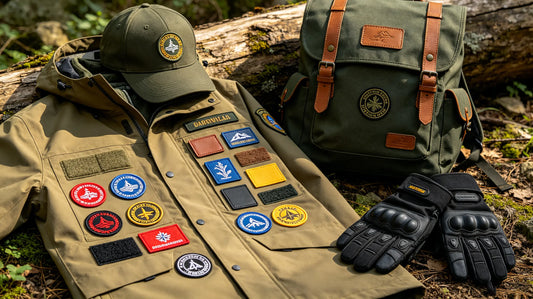
1. Tactical/Military Patches (Hook & Loop)
-
Remove the patch from the gear before washing (if possible) to protect the hook & loop.
-
Wash the patch separately (hand wash) to avoid rubbing against other items.
-
Air dry the patch before reattaching it to your gear.
2. Chenille/Varsity Patches
-
Hand wash the garment in cold water—avoid machine washing (agitation can fray the fuzzy threads).
-
Air dry flat (don’t hang) to prevent the patch from stretching.
-
Avoid ironing—if you must, use a cool setting and place a cloth over the patch.
3. Metallic/Glow-in-the-Dark Patches
-
Wash inside out on a gentle cycle to protect the metallic threads.
-
Air dry—tumble drying can damage the metallic coating or glow-in-the-dark properties.
-
Avoid rubbing the patch excessively (metallic threads can peel or fray).
4. Iron-On Patches
-
Wash inside out and air dry to prevent peeling.
-
If the patch starts to peel, re-iron it with a cloth barrier.
-
Avoid washing in hot water or tumble drying—this weakens the adhesive.
Final Thoughts: Care = Longevity for Your Custom Patches
Your custom embroidered patches are an investment—whether they represent your brand, your team, or a special memory. With proper care, they can last for years, maintaining their vibrant colors and crisp stitching. By following our care guide, you’ll avoid common mistakes, prevent damage, and keep your patches looking like new.
Remember, the key to durability is consistency: stick to cold water washes, air drying, and gentle handling, and tailor your care routine to your patch’s material and backing. With a little effort, your custom embroidered patches will stay looking great for years to come—ready to be worn, displayed, and cherished.
FAQ (Care & Durability-Focused)
Q: Can custom embroidered patches be machine washed? A: Yes! Most patches (especially those with polyester threads and sew-on/iron-on backing) can be machine washed—just use cold water, a gentle cycle, and wash inside out. Chenille or delicate patches are best hand washed.
Q: Will my patches fade after washing? A: High-quality patches with color-fast polyester threads won’t fade if washed properly (cold water, mild detergent). Avoid hot water, bleach, and direct sunlight to prevent fading.
Q: How do I fix a peeling iron-on patch? A: Place a thin cloth over the patch and iron it on low heat for 10–15 seconds. This reactivates the adhesive and reattaches the patch. For extra security, add a few stitches around the edge.
Q: How long do custom embroidered patches last? A: With proper care, polyester thread patches can last 5–10 years (or longer) with frequent wear. Chenille or cotton patches may last 2–5 years, depending on care and wear.
Q: Can I dry clean garments with custom patches? A: It’s not recommended—dry cleaning chemicals can damage the threads and backing of the patch. Stick to hand washing or machine washing on a gentle cycle.
Tags:
Previous
How to Order Custom Embroidered Patches: A Stress-Free Guide (Avoid Common Pitfalls)
Next
Custom Embroidered Patches FAQ: All Your Questions Answered (2024 Guide)