How to Care for Custom Embroidered Patches: A Guide to Long-Lasting Durability
Custom embroidered patches are built to be durable—crafted with high-quality threads and sturdy backings that withstand wear and tear. But to keep them looking vibrant, crisp, and like new for years, proper care and maintenance are key. Whether your patches are attached to jackets, backpacks, uniforms, or kept as keepsakes, the way you wash, store, and repair them will directly impact their lifespan. Before you order custom embroidered patches, learning how to care for them will ensure your investment lasts, preserving the design and sentiment behind each patch.
From washing techniques to storage solutions and minor repair tips, this guide covers everything you need to know to maintain your custom embroidered patches. We’ll break down step-by-step care instructions, address common issues like fading or fraying, and share expert tips to keep your patches in top condition—no matter how often you wear them.
1. Washing Custom Embroidered Patches: Do’s and Don’ts
Washing is one of the most critical aspects of patch care—incorrect washing can cause fading, fraying, or loosening of the stitching. Most high-quality custom embroidered patches (like those made with color-fast polyester threads) are machine washable, but following the right steps will prevent damage.
Do: Wash items with patches inside out in cold water on a gentle cycle. Use a mild detergent (avoid harsh bleach or fabric softeners, which can break down threads and fade colors). If the patch is on a delicate item (like a vintage jacket), hand wash it in cold water to be extra gentle. Don’t: Wash in hot water, as it can shrink the backing or cause thread colors to bleed. Avoid high-heat drying—air drying is best to preserve the patch’s shape and stitching. When you order custom patches, opt for color-fast threads to ensure they hold up to repeated washes.

2. Drying Tips to Prevent Damage
How you dry your patches is just as important as how you wash them. High heat can damage the threads, warp the backing, or cause the patch to peel (especially for iron-on patches). The goal is to dry the patch gently, without applying direct heat.
Air drying is the safest option: lay the item flat on a clean towel, with the patch facing up, and let it air dry naturally. If you need to use a dryer, set it to the lowest heat setting or air-dry cycle, and place the item inside a mesh laundry bag to protect the patch. Never iron a wet patch—wait until it’s completely dry to avoid damaging the threads or backing. When you order custom embroidered patches, ask about heat-resistant backing options if you frequently use a dryer.

3. Storing Custom Patches: Keep Them Safe When Not in Use
Proper storage prevents dust buildup, tangling, and damage to the stitching—especially for patches that aren’t attached to clothing (like loose patches or keepsakes). Whether you’re storing loose patches or items with patches, the right storage method will keep them in pristine condition.
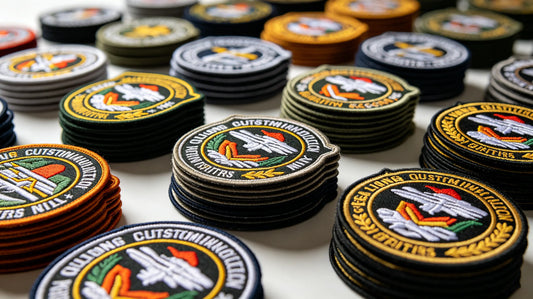
For loose patches: Store them in a clean, dry container (like a plastic box or fabric pouch) to prevent dust and moisture. Avoid stacking heavy items on top of loose patches, as this can flatten the stitching (especially for 3D puff patches). For items with patches: Hang jackets or backpacks in a closet, or fold them gently (avoid folding directly over the patch) to prevent creasing. Keep stored items away from direct sunlight, as prolonged exposure can fade the thread colors. When you order custom patches as keepsakes, consider framing them to protect them from damage.

4. Minor Repair Tips for Fraying, Loose Stitching, and Peeling
Even with proper care, patches may experience minor wear over time—fraying edges, loose stitching, or peeling backing. Fortunately, most minor issues can be fixed easily at home with a few simple tools.
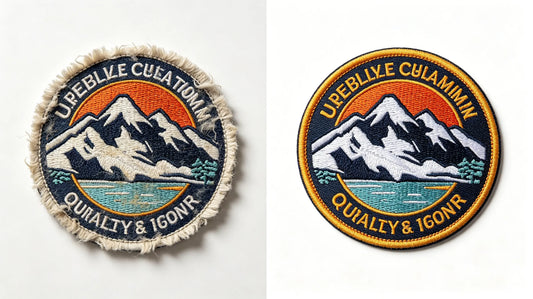
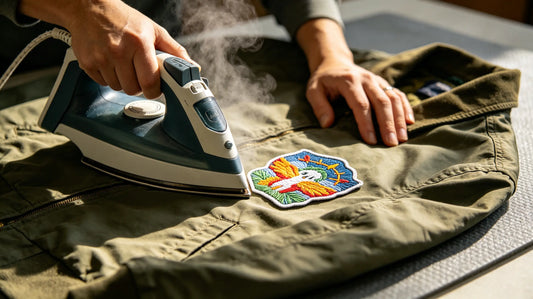
For fraying edges: Use a small amount of fabric glue (clear, fabric-safe) to seal the edges, or hand-stitch a small hem around the patch to prevent further fraying. For loose stitching: Use a needle and thread that matches the patch’s thread color to reinforce the loose areas—stitch along the existing stitching to secure it. For peeling iron-on patches: Place a thin cloth over the patch and iron it on a low heat setting (avoid direct heat) to reactivate the adhesive. When you order custom embroidered patches, choose high-quality backing (like sew-on for durability) to minimize peeling and fraying.

5. Protecting Patches from Sunlight and Moisture
Sunlight and moisture are two of the biggest enemies of custom embroidered patches—prolonged exposure can cause fading, discoloration, and mold growth. Taking simple steps to protect your patches from these elements will extend their lifespan.
Avoid leaving items with patches in direct sunlight for long periods (like hanging a jacket in a sunny window). If you’re wearing patches outdoors, consider covering them (with a jacket or scarf) during intense sunlight. For moisture protection: Keep patches dry—if they get wet (from rain or sweat), dry them immediately to prevent mold or mildew. For outdoor gear (like tactical patches), choose waterproof PVC patches or treat embroidered patches with a water-resistant spray. When you order custom patches for outdoor use, ask about water-resistant options to enhance durability.

6. Long-Term Care for Keepsake Patches
Keepsake patches (like those from special events, teams, or gifts) require extra care to preserve their sentimental value. These patches are often displayed or stored rather than worn, so their care focuses on protection and preservation.
Frame keepsake patches using acid-free matting and a UV-protective glass to prevent fading from sunlight. Avoid touching the patch’s stitching with bare hands, as oils from your skin can damage the threads over time. If you need to clean a keepsake patch, use a soft brush (like a makeup brush) to gently remove dust—never use water or detergent, as this can damage the threads. When you order custom embroidered patches as keepsakes, opt for premium materials (like metallic threads or chenille) that are designed to last for years.
Final Thoughts
Custom embroidered patches are more than just accessories—they’re often meaningful symbols of memories, teams, or personal style. With proper care and maintenance, you can keep your patches looking vibrant and intact for years, preserving their beauty and sentiment. By following the washing, drying, storage, and repair tips in this guide, you’ll ensure your patches stand the test of time.
When you’re ready to invest in long-lasting custom patches, order custom embroidered patches from a reputable provider that uses high-quality, color-fast threads and durable backings. With the right care and quality patches, you’ll be able to enjoy your custom embroidered patches for years to come—whether you wear them daily or keep them as cherished keepsakes.
FAQ
Q:Can custom embroidered patches be machine washed?
A:Yes! Most high-quality custom embroidered patches are machine washable, as they’re made with color-fast polyester threads and durable backings. Wash items with patches inside out in cold water on a gentle cycle, and avoid harsh detergents or bleach. When you order custom embroidered patches, confirm they’re machine washable to ensure easy care.
Q:How do I fix a peeling iron-on custom patch?
A:To fix a peeling iron-on patch, place a thin cloth over the patch to protect the threads, then iron it on a low heat setting (avoid direct heat) for 10–15 seconds. This reactivates the adhesive and secures the patch back in place. For a more permanent fix, you can also hand-stitch around the edges of the patch.
Q:Will custom embroidered patches fade over time?
A:High-quality custom embroidered patches (made with color-fast threads) should not fade significantly over time, especially with proper care. To minimize fading, avoid washing in hot water, drying on high heat, or exposing the patch to prolonged direct sunlight. When you order custom patches, choose color-fast threads for long-lasting vibrancy.
Q:How should I store loose custom patches?
A:Store loose custom patches in a clean, dry container (like a plastic box or fabric pouch) to prevent dust, moisture, and damage. Avoid stacking heavy items on top of them, as this can flatten 3D puff stitching or warp the backing. Keep the container in a cool, dry place away from direct sunlight.
Q:Can I iron a custom embroidered patch to remove wrinkles?
A:Yes, but be careful! Place a thin cloth over the patch to protect the threads, then iron on a low heat setting (no steam) to remove wrinkles. Never iron directly on the patch’s threads, as high heat can melt or damage them. When you order custom embroidered patches, ask about heat-resistant materials if you plan to iron them frequently.
Tags:
Previous
How to Style Custom Embroidered Patches with Different Outfit Styles
Next
Custom Embroidered Patch Care by Embroidery Type: 2D, 3D Puff, Chenille & Metallic