Custom Embroidered Patch Backing Types Guide: Choose the Best Adhesion Method
When ordering custom embroidered patches, choosing the right backing type is just as important as designing the perfect patch. The backing determines how your patch attaches to garments, gear, or other surfaces—and the wrong choice can lead to peeling, damage, or a patch that doesn’t stay in place. From temporary adhesion for one-time events to permanent attachment for daily wear, each backing type offers unique benefits and is suited for specific use cases. Before you order custom embroidered patches, this guide will walk you through the most common backing types, their pros and cons, and how to choose the best one for your project.
Whether you’re attaching patches to jackets, hats, uniforms, tactical gear, or promotional items, understanding the differences between iron-on, sew-on, hook & loop, and adhesive backings will help you make an informed decision. We’ll also share tips for applying each backing type correctly to ensure your patches stay secure and look great for years.
1. Iron-On Backing: The Quick, Convenient Choice
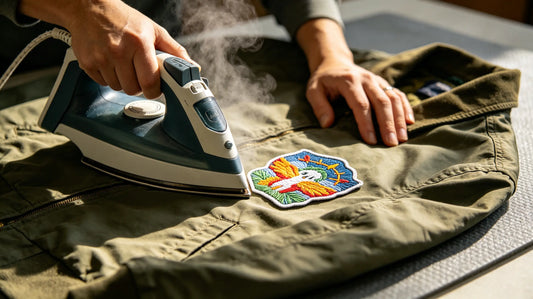
Iron-on backing (also known as heat-seal backing) is one of the most popular choices for custom embroidered patches, thanks to its ease of use and quick application. It features a heat-activated adhesive layer on the back of the patch—when heated with an iron, the adhesive melts and bonds the patch to the fabric, creating a secure attachment without the need for sewing.
Key Features: • Application: Heat-activated with an iron (or heat press) for quick, no-sew attachment. • Adhesion: Creates a semi-permanent bond that’s strong enough for regular wear and washing. • Compatibility: Works best with cotton, denim, polyester, and other natural or synthetic fabrics that can withstand heat. • Thickness: Thin and lightweight, adding minimal bulk to the patch.
Pros: • Quick and easy to apply—no sewing skills required. • Ideal for temporary or semi-permanent use (e.g., event patches, seasonal apparel). • Works with most common fabrics (avoid delicate fabrics like silk or lace that can’t handle heat). • Cost-effective and widely available from most patch suppliers.
Cons: • Not as durable as sew-on backing—may peel over time with frequent washing or heavy wear. • Requires heat to apply, which can damage heat-sensitive fabrics. • Not suitable for rough or textured surfaces (e.g., canvas bags with thick stitching).
Ideal Use Cases: Casual apparel (jackets, t-shirts, jeans), event patches, promotional items, and anyone who wants a quick, no-sew attachment. When youcustom embroidered patches for one-time events or seasonal use, iron-on backing is the perfect choice.

2. Sew-On Backing: The Durable, Permanent Option
Sew-on backing is the most traditional and durable backing type for custom embroidered patches. It features a plain or reinforced backing (often cotton or polyester) that requires stitching around the edges of the patch to attach it to the fabric. While it takes more time to apply than iron-on, sew-on backing creates a permanent, long-lasting bond that can withstand frequent washing, heavy wear, and harsh conditions.
Key Features: • Application: Requires sewing (by hand or machine) around the patch edges to secure it. • Adhesion: Permanent bond that’s stronger than iron-on, even with heavy use. • Compatibility: Works with all fabric types, including delicate fabrics (silk, lace) and rough textures (canvas, leather). • Versatility: Can be attached to non-fabric surfaces (e.g., leather bags, hats) with the right thread.
Pros: • Extremely durable—ideal for daily wear, uniforms, and items that are washed frequently. • Compatible with all fabrics and surfaces, including heat-sensitive and rough materials. • Prevents peeling or lifting, even after years of use. • Can be removed (with careful unstitching) if needed, without damaging the fabric.
Cons: • Requires sewing skills (or access to a sewing machine) for application. • Takes more time to apply than iron-on or adhesive backing. • Stitching may be visible around the patch edges (which can be a design feature or a downside, depending on preference).
Ideal Use Cases: Uniforms (corporate, sports, military), daily wear apparel, leather goods, canvas bags, and any item that requires a permanent, durable attachment. When you order custom patches for long-term use, sew-on backing is the most reliable choice.

3. Hook & Loop Backing: The Reusable, Versatile Choice
Hook & loop backing (also known as Velcro backing) is a versatile option that allows you to attach and remove your custom embroidered patch multiple times. It consists of two parts: a loop side (attached to the back of the patch) and a hook side (attached to the garment or surface). The two parts stick together securely but can be easily separated, making it perfect for patches that need to be swapped or removed regularly.
Key Features: • Application: No sewing or heat required—simply attach the loop side to the patch and the hook side to the surface, then press together. • Adhesion: Secure, reusable bond that can be attached and removed hundreds of times. • Compatibility: Works with most fabrics and hard surfaces (e.g., tactical gear, hats, backpacks). • Versatility: Allows for easy patch swapping (e.g., changing team patches on a jacket).
Pros: • Reusable and removable—perfect for patches that need to be swapped or moved. • Easy to apply and remove without damaging the fabric or patch. • Ideal for tactical gear, military patches, and items that require flexible patch placement. • Durable enough for regular use, even with frequent attachment and removal.
Cons: • Slightly bulkier than iron-on or sew-on backing, which may be noticeable on lightweight fabrics. • The hook side can collect lint over time, which may reduce adhesion (easily cleaned with a toothbrush). • More expensive than iron-on or sew-on backing.
Ideal Use Cases: Tactical gear, military patches, sports team gear, hats, backpacks, and any item where patches need to be swapped or removed regularly. When you custom embroidered patches for versatile use, hook & loop backing is the best option.

4. Adhesive Backing: The Temporary, No-Heat Option
Adhesive backing (also known as peel-and-stick backing) is a temporary attachment option that uses a pressure-sensitive adhesive to stick the patch to surfaces. It requires no heat, sewing, or tools—simply peel off the protective layer and press the patch onto the desired surface. Adhesive backing is perfect for short-term use or surfaces where sewing or heat isn’t an option.
Key Features: • Application: Peel-and-stick—no heat, sewing, or tools required. • Adhesion: Temporary bond that’s strong enough for short-term use (days to weeks). • Compatibility: Works with smooth surfaces (e.g., laptops, notebooks, plastic, metal) and some fabrics. • Thickness: Thin and lightweight, with no extra bulk.
Pros: • Extremely easy to apply—perfect for one-time events or temporary use. • No heat or sewing required, making it safe for heat-sensitive fabrics and non-fabric surfaces. • Ideal for decorative patches on laptops, notebooks, or other hard surfaces. • Cost-effective for small, temporary patches.
Cons: • Not durable—adhesion weakens over time, especially with washing or heavy use. • Not suitable for fabrics that are washed frequently (e.g., t-shirts, jackets). • May leave a sticky residue when removed from some surfaces.
Ideal Use Cases: One-time events, promotional giveaways, decorative patches for hard surfaces (laptops, notebooks), and temporary attachments. When you order custom patches for short-term use, adhesive backing is the most convenient choice.

5. Other Less Common Backing Types
In addition to the four main backing types, there are a few less common options that are suited for specific use cases:
• Magnetic Backing: Uses a small magnet attached to the patch, allowing it to stick to metal surfaces (e.g., refrigerators, lockers). Perfect for decorative patches that don’t need to be attached to fabric. • Pin Backing: Features a small pin on the back of the patch, allowing it to be pinned to garments, bags, or hats. Ideal for delicate fabrics that can’t be sewn or heated. • Leather Backing: A thick, durable leather backing that adds a premium look and feel. Perfect for high-end patches or leather goods.
How to Choose the Right Backing Type for Your Project
Choosing the right backing type depends on your use case, fabric/surface, and how long you want the patch to stay attached. Follow these steps to make the best choice:
• Step 1: Determine the attachment duration—Temporary (adhesive), semi-permanent (iron-on), or permanent (sew-on). • Step 2: Consider the fabric/surface—Heat-sensitive fabrics (avoid iron-on), rough textures (sew-on or hook & loop), hard surfaces (adhesive or magnetic). • Step 3: Think about reusability—If you need to swap patches, choose hook & loop; if not, iron-on or sew-on works best. • Step 4: Evaluate your skills—If you can’t sew, choose iron-on or adhesive; if you want durability, opt for sew-on. • Step 5: Check supplier options—Most suppliers offer multiple backing types, so ask for recommendations based on your project.
Pro Tip: For added durability, some suppliers offer a combination of backing types (e.g., iron-on + sew-on), which allows for quick application with the option to reinforce with stitching. When you order custom patches, ask your supplier about combination backing options for extra security.

Tips for Applying Each Backing Type Correctly
Proper application is key to ensuring your custom embroidered patch stays secure. Here are tips for applying each backing type:
• Iron-On Backing: Preheat the fabric, place the patch face up, cover with a thin cloth, and press with a hot iron (no steam) for 10–15 seconds. Flip the fabric and press from the back for another 10 seconds. Allow to cool completely before wearing. • Sew-On Backing: Use a matching thread and sew around the edge of the patch, keeping stitches close together for a secure bond. For machine sewing, use a zigzag stitch; for hand sewing, use a blanket stitch. • Hook & Loop Backing: Attach the loop side to the patch (usually with adhesive or stitching) and the hook side to the garment. Press firmly to ensure a secure bond, and clean the hook side regularly to remove lint. • Adhesive Backing: Clean the surface thoroughly (remove dust and oil), peel off the protective layer, and press the patch firmly onto the surface for 30 seconds. Avoid washing or exposing to water for 24 hours after application.
Final Thoughts
Choosing the right backing type is a crucial step in ordering custom embroidered patches— it determines how your patch attaches, how long it lasts, and whether it’s suitable for your intended use. Iron-on is quick and convenient, sew-on is durable and permanent, hook & loop is reusable and versatile, and adhesive is temporary and easy to apply. By understanding the pros and cons of each type, you can choose the perfect backing for your project.
Remember, working with a reputable supplier will help you make the right choice—they can recommend the best backing type based on your fabric, use case, and budget. When you’re ready to order custom embroidered patches, use this guide to select the backing that will ensure your patches stay secure, look great, and meet your needs for years to come.
FAQ
Q:Which custom patch backing is the most durable?
A:Sew-on backing is the most durable custom patch backing—it creates a permanent bond that can withstand frequent washing, heavy wear, and harsh conditions. It’s compatible with all fabric types and surfaces, making it ideal for uniforms, daily wear, and long-term use. When youorder custom embroidered patches for durability, sew-on backing is the best choice.
Q:Can I use iron-on backing on heat-sensitive fabrics like silk or lace?
A:No, iron-on backing is not recommended for heat-sensitive fabrics like silk, lace, or delicate synthetics. The heat from the iron can damage these fabrics (e.g., melting, discoloration). For heat-sensitive fabrics, choose sew-on or adhesive backing instead, as they require no heat to apply.
Q:How many times can I attach and remove a hook & loop patch?
A:Hook & loop patches can be attached and removed hundreds of times, as long as they’re properly cared for. The hook side may collect lint over time, which can reduce adhesion, but this can be easily fixed by brushing the hook side with a toothbrush to remove debris. When you custom patches with hook & loop backing, they’re perfect for frequent swapping.
Q:Will adhesive backing patches stay on after washing?
A:Adhesive backing patches are not designed to withstand washing—their adhesion weakens significantly when exposed to water and detergent. They’re best for temporary use on non-fabric surfaces (laptops, notebooks) or fabrics that are not washed frequently. For washable fabrics, choose iron-on or sew-on backing instead.
Q:Can I combine two backing types (e.g., iron-on + sew-on) for extra durability?
A:Yes! Many suppliers offer combination backing types, such as iron-on + sew-on, which allows for quick, no-sew application with the option to reinforce the patch with stitching for extra durability. This is a great option for patches that will be worn frequently or washed often. When you order custom embroidered patches, ask your supplier about combination backing options.
Tags:
Previous
Custom Embroidered Patch Design Guide: From Sketch to Finished Product
Next
Custom Embroidered Patch Care & Maintenance Guide: Practical Tips to Extend Patch Life